

A deal days away from signing, then nothing
Three Otago councils – Central Otago District, Queenstown Lakes District, and Otago Regional – were on the verge of signing a regional deal with the government when National changed course. On Sunday 24 August, the party unveiled a ‘no new taxes’ election platform ahead of November’s vote, ruling out the bed-night accommodation levy that had anchored the deal.
The reversal stings because it was not a quiet backroom shift. Prime Minister Christopher Luxon had been publicly discussing the levy as recently as two weeks before the announcement. The April 2026 regional deal, already signed, carried a formal government commitment to consider the levy in 2027. That commitment is now void.
Central Otago Mayor Tamah Alley told Newstalk ZB on 28 August that councils were “pretty gutted the deal they thought was good to go has been halted”, though she remains confident a deal will land eventually. The catch: councils need to know what is actually on offer before they sign.
Five ratepayers, tens of thousands of visitors
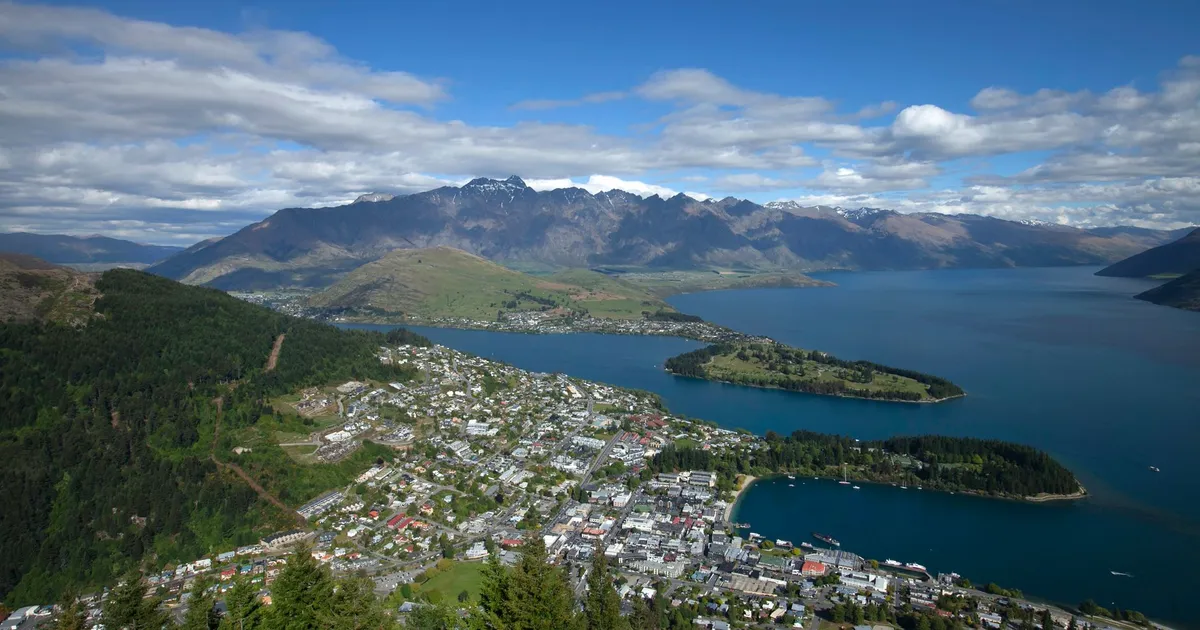
The bed tax argument is really an argument about who funds tourism infrastructure. Queenstown’s population doubles in peak season, but the ratepayer base that funds roads, waste systems, car parks and tracks does not scale with visitor numbers.
Queenstown Lakes Mayor John Glover put the structural problem plainly to RNZ. “Things like car parks or waste collection, you know we’ve got some really expensive roads that go to the likes of the Routeburn track or Skippers Canyon, there might be five ratepayers live down there, but tens of thousands of visitors go there every year,” he said.
That ratio is the cleanest summary of the bind. Without a visitor-facing levy, the cost of that infrastructure lands on those households and the wider rates base. Glover was blunt about the consequence: “Councils without any alternative will have to continue to use ratepayer funds to invest in tourism offering.”
The existing levy does not plug the gap
The government’s implicit answer is that the international visitor levy already covers tourism costs. Glover took that apart. Only about half of international tourists pay the levy – Australians and Singaporeans are exempt entirely, and the charge is flat whether a visitor stays two days or three months. It is not proportionate to infrastructure use, and it does not touch domestic visitors at all.
A bed-night levy would have closed all three gaps. It would apply to every visitor, domestic and international, in proportion to how many nights they actually stay. For a region where the visitor economy underwrites almost everything else, that is not a minor design detail.
New money, not a transfer
Here is the point that deserves more airtime than it has had. The bed tax was not a transfer from existing taxpayers. It was genuinely new revenue from visitors who use the assets. “This is new money. We don’t have to take it from anyone. We should relish the opportunity to get some income into the tourism councils as visitors come,” Glover said.
He also argued visitors are not resistant to paying. “Our visitors come, they’re expecting to contribute, and there’s a really good opportunity to take some money,” he said. This is not a Queenstown grievance either. Mayors from at least eight major tourism councils, including Auckland, Rotorua, Wellington, Marlborough and Christchurch, backed the levy.
Politics on the hoof, and a business bill left unpaid
Glover called the reversal “collateral damage from policy being made in panic” and said he was “really shocked” by the timing. The signing had already been postponed once when National MPs were pulled to Wellington over a leadership challenge. Luxon’s response, that the government would think about “other mechanisms” and that there were “lots of other ways to do it,” offered no specifics.
For businesses in Queenstown and Central Otago the stakes are concrete. Tourism-driven infrastructure strain feeds directly into rates, staff housing pressure and the quality of the visitor experience the whole regional economy rests on. Rates that rise to cover visitor-driven costs are a real operating cost. The bed tax was the mechanism to push some of that bill onto the visitors generating it. Kill the mechanism and the bill stays local.
Until councils know what those unnamed “other mechanisms” are, they cannot plan capital spending, close regional deals, or give local firms any read on the rates trajectory. Good politics for visitors this November. Not an answer to who pays for growth.
Sources
- Otago councils pause regional deals after National backtracks on bed tax (2026-08-27)
- Queenstown mayor says National’s bed tax U-turn ‘policy made in panic’ (2026-08-24)
- Bed tax backdown: Queenstown Mayor John Glover seeks urgent meeting after Government U-turn (2026-08-24)
- ‘Policy making in a state of panic’: Queenstown mayor slams decision to rule out bed tax (2026-08-23)
- Central Otago Mayor ‘pretty gutted’ by National’s bed tax u-turn (2026-08-28)
Join the discussion
Add useful context, ask a good question, or challenge an idea — keep it specific and respectful.