

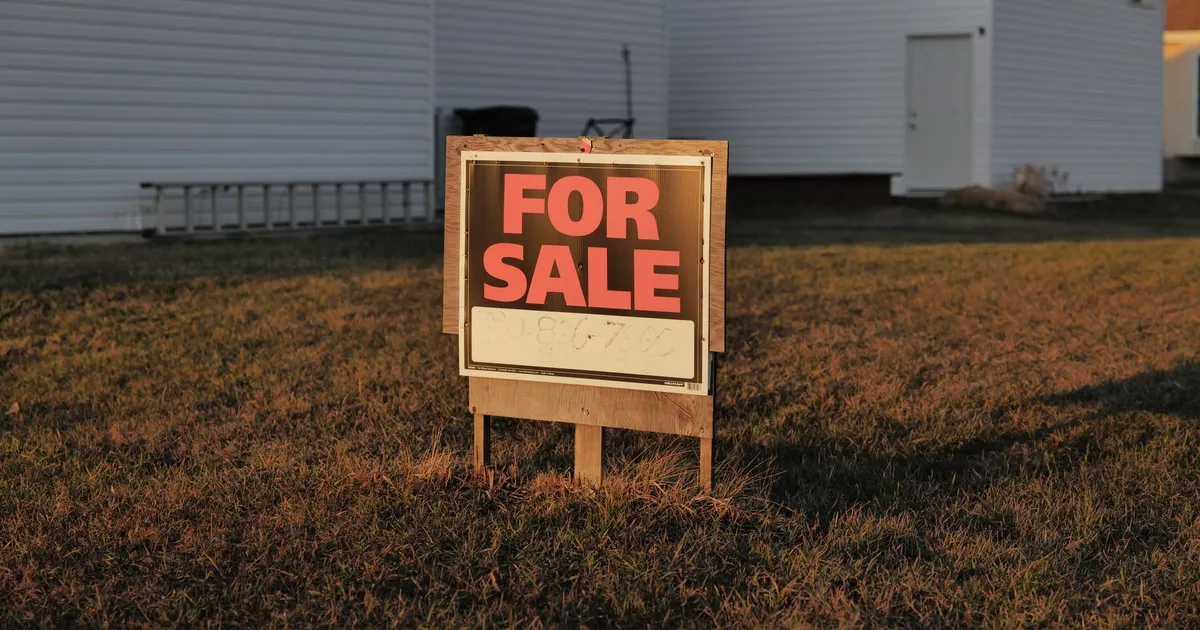
The economy is growing again. It is just doing it without the housing market, and that changes who wins.
Infometrics’ latest Quarterly Economic Monitor shows activity rose 2.4 percent annualised in the September quarter, with 15 of 16 regions expanding and employment up 1.1 percent. Over the same year, house values eased 0.9 percent. The thing that has kick-started nearly every New Zealand upturn in living memory is sitting this one out.
The old playbook has been retired
Infometrics principal economist Nick Brunsdon is blunt about it. “We don’t have a housing market-led recovery this time around,” he says, explaining that falling rates used to get people excited about their house values, which sent them straight to builders and retailers. “The conditions just aren’t there, and obviously we’re on an interest rate increasing cycle, not a decreasing cycle.” He adds that households are being incredibly tight with their spending, which is good for their balance sheets but “not great for the retail or hospitality sector”. Infometrics’ card data analysis shows real retail volumes fell 0.4 percent over the year, even as nominal spending rose.
The break with the past was already visible earlier this year. In March 2026, Reuters reported that even after the Reserve Bank slashed the OCR from 5.5 percent to 2.25 percent, house prices sat about 20 percent below their pandemic peak, a gap that had “dismantled the wealth effect that long anchored the economy”. Now rates are heading the other way.
Housing is not stalling, it is sliding
This is not a flat market waiting for a spark. Infometrics’ own tracking shows house sales fell 23 percent per annum in October, prices were down 2.1 percent on a year earlier, and listings have climbed 12 percent since February to a 12-year high. That is a buyer’s market with very few buyers.
Westpac, which back in February 2026 was still forecasting a 4 percent rise in house prices for this year, now expects prices to lift just 1.75 percent in 2027, and does not expect the recovery to be felt broadly until mid-2027. Chief economist Kelly Eckhold’s view is that higher rates will push resources out of housing-dominated sectors and towards the more competitive export economy. Put plainly, the money is moving to farms, tourism and services exports, not to the kitchen renovation.
Builders are the strange exception
Construction is not dead. Treasury reported new dwelling consents were up 21.1 percent on a year earlier in August, with Canterbury up 35 percent and Auckland up 19 percent. Brunsdon likes construction as a recovery industry precisely because it scales cheaply, the ute-and-dog model needs little fixed capital. But building more homes into a falling market is a pipeline story, not a wealth story. It creates tradie jobs without making existing homeowners feel any richer.
Who needs to rewrite the plan
The scale of what is missing is significant. The Reserve Bank values the housing stock at roughly $1.66 trillion as of June. When that pile stops growing, the ripple reaches well beyond real estate agents.
Retailers and hospitality operators budgeting for a confidence-driven bounce in discretionary spending should assume households keep saving. Home improvement and building supply firms will see volume from new builds, not from owners refinancing to fund decks. Banks lose their easiest growth engine, equity-backed lending, and will lean harder on business and rural books. Councils that quietly rely on rising valuations and development activity to soften rates conversations lose a useful cushion.
None of this arrived suddenly. Infometrics flagged in July that a weak housing market was holding back household spending, with fuel prices the other swing factor. The warning signs have been consistent all year.
Slower, but built on firmer ground
Here is the part worth taking seriously, because it is genuinely good news. A recovery built on export earnings and rising incomes, rather than borrowed money and asset inflation, is harder to knock over. Back in February, Westpac senior economist Michael Gordon argued the real driver of spending is expectations of future income, not house values, meaning spending can recover on its own if jobs and wages do.
That is the test for 2027. Brunsdon notes private-sector hiring has not yet followed the lift in activity, and most new jobs so far are in health, education and public administration. Until private employers start adding staff and fuel costs ease, consumer-facing businesses will feel this recovery last.
The businesses that do well over the next 18 months will be the ones that stop waiting for the housing cavalry. It is not coming, and the economy may be healthier for it.
Sources
- RNZ: Housing market sitting out economic recovery – Infometrics (2026-11-19)
- RNZ: The economy is growing, you’re just not feeling it yet, Westpac says (2026-11-18)
- Infometrics: Insights Hub – Economic updates (2026-11-13)
- Infometrics: NZ on cusp of recovery if fuel prices stay down (2026-07-01)
- Treasury: Fortnightly Economic Update – 15 October 2026 (2026-10-15)
- Westpac IQ: The “houseless” recovery? (2026-02-27)
Join the discussion
Add useful context, ask a good question, or challenge an idea — keep it specific and respectful.