

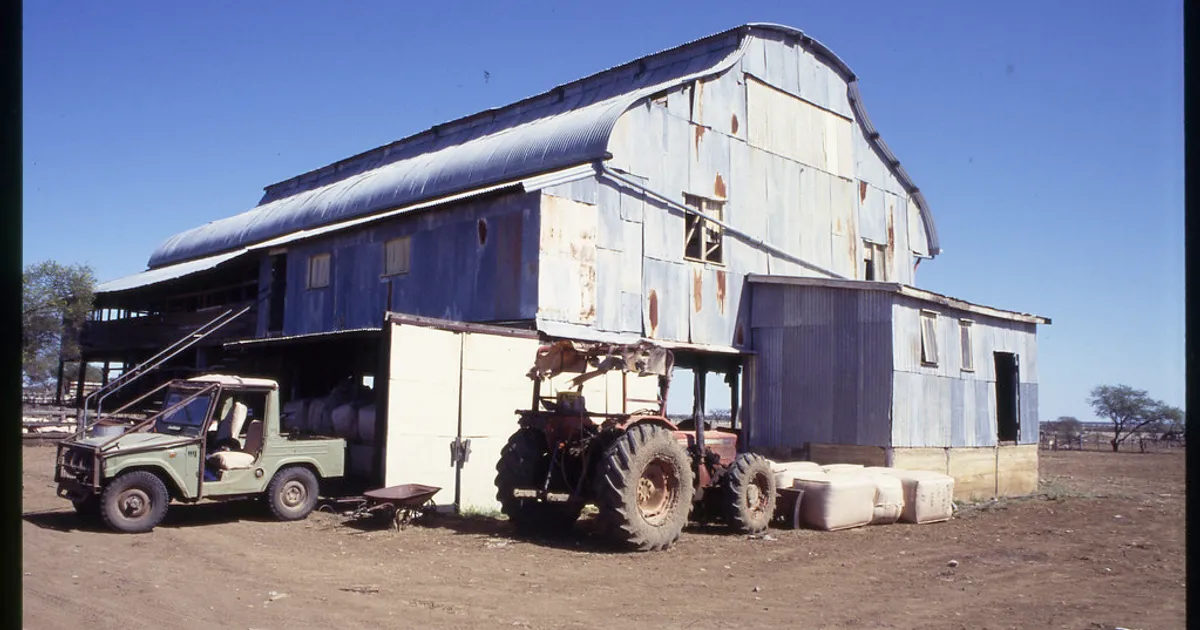
A Gore shearing business has gone into liquidation leaving creditors nearly $500,000 out of pocket. The national insolvency statistics will barely register it. The farmers, suppliers and workers who depended on that one firm will feel it for months.
That gap is the story. Sheep farmers have spent decades outsourcing one of their most time-critical jobs to small, lightly capitalised contractors, usually on a handshake. That works well until the contractor fails, and then the farmer finds out how much risk they kept.
A rounding error nationally, a big hole locally
For scale, Inland Revenue figures released under the OIA showed that in 2023 the department filed 764 liquidation applications nationally, with 356 granted. Auckland accounted for 357 applications that year. The Invercargill registry, which covers Southland including Gore, handled just 20.
Those figures are now dated, and they only cover IRD-initiated cases, but the shape is clear. A provincial region does not produce many liquidations, so each one matters more. A $500,000 shortfall in Gore does not get spread across a deep commercial market. It lands on a handful of local creditors, often small businesses, who extended credit because they knew the people involved.
This is not the first time
Southland has been here before. Stuff has previously reported on a Riversdale shearing company liquidation that left creditors substantially out of pocket, and on a separate Southland case where directors were unresponsive to liquidators trying to piece together the company’s records. When directors go quiet, recovery for unsecured creditors goes from poor to close to nothing.
One failure is bad luck. A recurring pattern in the same regional niche points to a structural weakness in the business model.
Squeezed from both ends
Shearing contractors sit between farmers who are paying more to harvest wool that earns them very little, and a labour market that has been short of skilled shearers for years. Industry commentary has pointed to compliance costs climbing steeply and to farmers cutting back on shed maintenance and staffing as wool returns stay low.
The labour problem is not new. Back in 2018, Mark Barrowcliffe, then-president of the NZ Shearing Contractors Association, warned that “the shearing industry must move now to stave off the threat of farmers being unable to get their sheep shorn”, pointing to an ageing workforce and too little entry-level training.
External shocks then hit businesses with no buffer. In 2023, after Cyclone Gabrielle wrecked rural roads and bridges, contractor Joe Puna, who then employed up to 25 people, told RNZ that “if we can’t do our job and get to our farmers, I’d say our business is shot”. Thin margins plus weather risk plus labour scarcity is a fragile combination.
Shearing is infrastructure, not a nice-to-have
The sector has tried to make this point loudly. In May 2025 the Save Our Sheep campaign warned that falling flock numbers were putting “huge pressure” on critical red meat infrastructure including meatworks, shearers and stock trucks. Shrinking volumes mean fewer contractors chasing fewer sheep, and each remaining firm becomes more important to the district it serves.
That is precisely why a single failure hurts. Sheep do not wait. If a contractor collapses ahead of a shearing round, the farmer is scrambling for a replacement crew in a market where good teams are already booked, with animal welfare, lambing and wool quality on the line.
The due diligence nobody does
None of this calls for regulation. It calls for farmers, and anyone else relying on small contractors, to treat them as counterparties rather than mates.
The basics are cheap. Check the Companies Office record and look for recent director changes or overdue filings. Ask how the business is tracking with IRD, since unpaid tax is a common trigger for liquidation. Avoid large prepayments. Pay on completion, and know who else you could call if your contractor vanishes mid-season. Local suppliers extending credit to contractors should consider registering security interests rather than relying on goodwill.
The lesson travels well beyond the woolshed. Builders relying on subbies, councils on maintenance firms, orchards on harvest labour hire, all run the same exposure. Outsourcing moves the work off your books. It does not move the consequences.
The Gore liquidation will run its course and creditors will learn what, if anything, they get back. The better question for every farming business in Southland is simpler: if your shearer folded next week, who would be shearing your sheep, and how much of your money would go down with them?
Sources
- Otago Daily Times: Gore shearing business leaves creditors nearly $500,000 out of pocket (2026-11-06)
- Inland Revenue: Statistics on company liquidations 2018 to 2024 (OIA response) (2024-03-15)
- Stuff: Riversdale shearing company in liquidation owes $553k
- Stuff: Southland shearing company directors unresponsive to liquidators
- Dairy Country: Shearing contractors feel the pinch
- Farmstrong: A long winter
- RNZ: Cyclone Gabrielle – Shearing contractor forced to reassess whole business (2023-02-25)
- Scoop: SOS Call – Save Our Sheep (2025-05-26)
Join the discussion
Add useful context, ask a good question, or challenge an idea — keep it specific and respectful.