

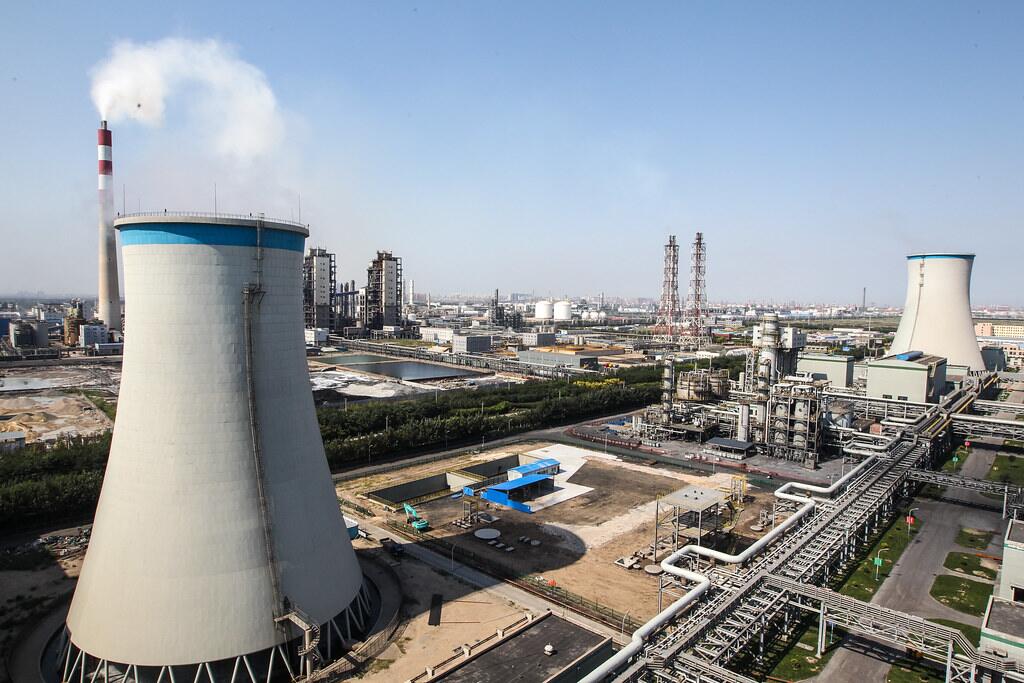
Germany’s commitment to phase out coal is facing renewed scrutiny as the government weighs its climate targets against concerns over electricity prices and security of supply.
The country plans to close its remaining coal-fired stations by 2038, while lignite operations in North Rhine-Westphalia are due to end by 2030 under an agreement with energy company RWE.
Renewables now produce more than half of Germany’s electricity, led by wind and solar. However, output can fall during periods of weak wind, limited sunshine, or high winter demand, leaving the grid dependent on other sources.
Berlin had expected gas-fired plants to provide much of this back-up power. Gas produces fewer emissions than coal, but Germany imports almost all of its supply, exposing households and businesses to global price rises and geopolitical disruption. Nuclear power is no longer an option after the country’s final reactors closed in 2023.
Domestic lignite, by contrast, is cheap, abundant, and less vulnerable to overseas supply problems. Its high emissions remain a major concern, but those advantages have prompted some political and industry figures to question whether the current timetable is realistic.
“We must supply this country with electricity. I am not prepared to jeopardise the core of our industry simply because we have adopted phase-out plans that have become unrealistic,” Chancellor Friedrich Merz said.
His remarks have raised the possibility that some coal plants could remain open longer or be retained as emergency reserves, rather than Germany abandoning the policy entirely.
Energy-intensive manufacturers are seeking clearer guarantees over future supply and costs. Wolfgang Große Entrup, director general of the German Chemical Industry Association, said, “Our industry needs reliable energy.”
Environmental groups argue that extending coal use would delay investment in renewables, storage, and grid upgrades. The SPD has also warned against locking Germany into fossil fuels, while the CDU and CSU have placed greater emphasis on affordability and industrial competitiveness.
A government review due in August will examine the impact of the coal phase-out on electricity prices, emissions, and supply. Originally intended to assess whether the exit could be accelerated, it may instead support a more cautious timetable.