

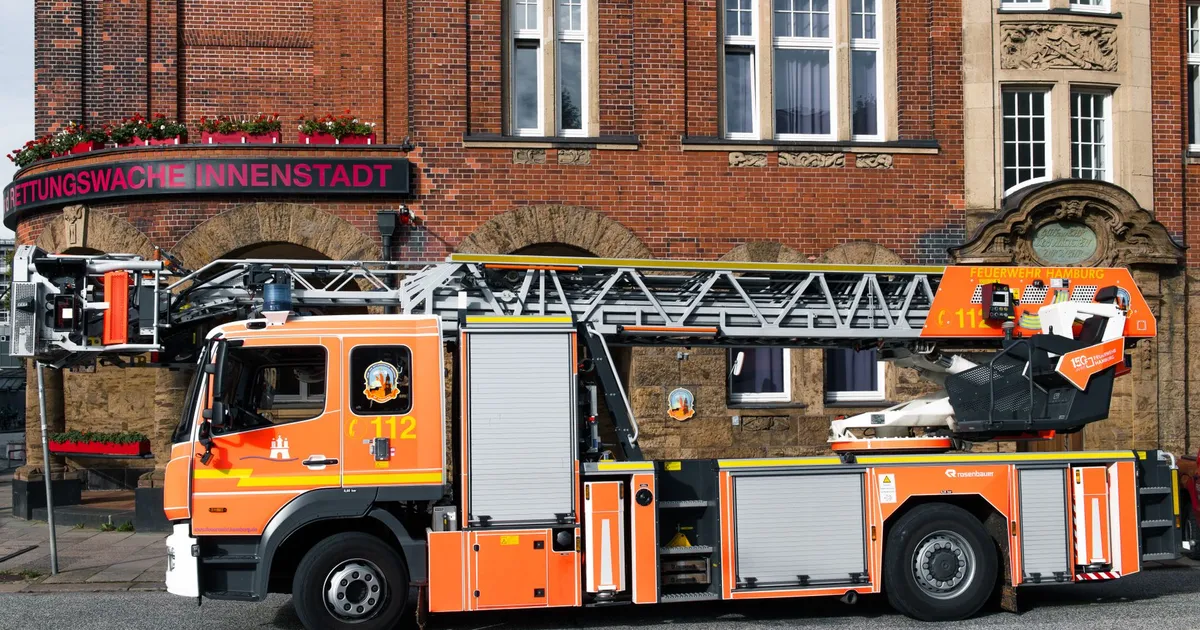
Firefighters have voted to walk off the job for 10 hours at a time, four times, from 27 November. Whatever you think of the pay dispute, the practical consequence is the same. For 40 hours this summer, factories, warehouses, venues and landlords in New Zealand’s biggest centres will carry more of their own fire risk than they ever planned for.
The numbers behind the escalation are stark. According to RNZ’s 4 November report, 99% of New Zealand Professional Fire Fighters Union members rejected a 2.2% offer, and 88% backed four strikes running 1pm to 11pm across 19 towns and cities at once. Firefighters have not had a pay rise since July 2023 and have already staged 72 one-hour strikes since October 2025. Fire and Emergency New Zealand (FENZ) warns of an “extreme risk to public safety”.
One minute or eight
Business owners do not need to speculate about what slower response looks like. During a one-hour strike on 7 August, a house fire in Caversham, Dunedin, was attended by volunteers who took about eight minutes to arrive, against roughly one minute from the nearest career station. The house was fully engulfed. As Insurance Business Magazine put it, “this difference between one-minute and eight-minute response can determine whether a claim is partial damage or total loss.”
That is the exposure in one sentence. A contained fire in a warehouse is an inconvenience and a claim. A total loss is lost stock, lost contracts, lost staff and, for plenty of SMEs, a business that never reopens.
The baseline was already shaky. FENZ’s own data shows career crews met the eight-minute urban structure fire benchmark only 76.9% of the time, against an 80% target, with no strikes factored in, Insurance Business Magazine reported. The same report notes Earth Sciences New Zealand expects a very strong El Nino to peak in November or December, squarely across the strike window, and that FENZ levy revenue came in $29.8 million under budget in 2024/25.
FENZ has already handed you the job
The agency is not pretending otherwise. During earlier stoppages, FENZ asked businesses and building owners to avoid risky work practices, delay outdoor hot work involving heat or sparks, and make sure tenants understand evacuation schemes. More than 11,000 volunteers across almost 600 stations remain available, but FENZ concedes city response will be slower.
That advice was written for a one-hour gap. A 10-hour gap covering an afternoon and evening shift is a different proposition. Practical steps for the next fortnight:
- Reschedule welding, cutting and grinding away from strike windows
- Brief tenants and staff on evacuation procedures, and test alarms and sprinklers now
- Check extinguishers, clear egress routes and confirm who is on site during strike hours
- Call your broker and ask directly whether anything in your policy changes during reduced-service periods
- For rural-adjacent sites, clear vegetation and fuel loads ahead of an El Nino summer
Premium payers fund the service and absorb the gap
Here is the part that should irritate every business owner. FENZ is funded through levies on property and motor vehicle insurance, not general taxation. So policyholders pay for the service, then wear the risk when it is withdrawn.
The insurance industry has said as much. Insurance Council chief executive Kris Faafoi said insurers “have long questioned whether it remains the most appropriate way to fund such a core public service,” while Insurance Brokers Association chief executive Katherine Wilson said “those who pay insurance premiums are unfairly burdened,” according to Insurance Business Magazine, which also reports the government has asked FENZ to find $60 million in savings over three years. The Insurance Council’s position is blunt: the simplest and fairest option is general taxation.
They have a point. A levy model ties a core public safety service to the insurance market, hides its true cost from voters, and leaves property owners holding a bill they cannot negotiate. A proposed levy increase was already cut from 5.2% to 2.2% from July because nobody wanted to front a bigger hit on premiums.
Nobody in Wellington is minding the station
The timing compounds it. The first strike lands on the same day nearly 400,000 special votes are finalised, leaving a caretaker government in charge. The union now wants ministers to intervene. “We’re just wanting them to get the right people in the room,” national secretary Wattie Watson told RNZ, adding that neither side of politics “has any faith in the leadership of FENZ currently.”
That is a damning verdict on an agency that has spent more than a year failing to settle a dispute, whoever is to blame for the offer. FENZ national commander Megan Stiffler warns of “significant gaps in the emergency response we can provide that simply cannot be filled.”
Plan as if the trucks are late
A deal may still land before 27 November. Business should not bet on it. Caretaker conventions make fast ministerial intervention unlikely, FENZ is short of money, and the union has a mandate. The sensible assumption is that the strikes go ahead and the first 10 minutes of any fire this summer belong to whoever owns the building. The longer fix is a funding model that does not ask premium payers to bankroll a service and then underwrite its absence. The next government should put that on its first-100-days list.
Sources
- RNZ: Calls for government to step in before fire fighter strikes (2026-11-08)
- RNZ: Firefighters union threatens 10 hours strikes, FENZ warns of ‘extreme risk’ (2026-11-04)
- Insurance Business Magazine: NZ fire strike vote raises property risk as wildfire season nears (2026-11-04)
- Insurance Business Magazine: Firefighter strikes delay NZ fire response as property risk questions mount (2026-10-23)
- Insurance Business Magazine: FENZ warns businesses to manage their own fire risk as firefighters strike again (2026-10-21)
- Insurance Council of New Zealand: FENZ funding model statement (2026)
Join the discussion
Add useful context, ask a good question, or challenge an idea — keep it specific and respectful.