

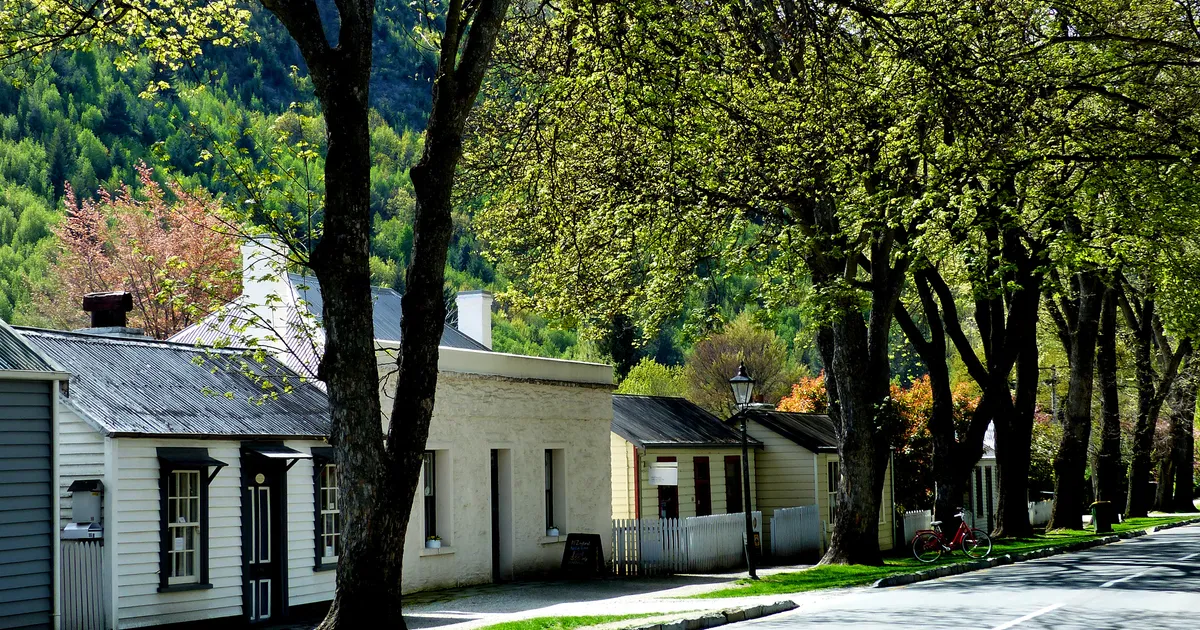
The scam that wears a local face
At least six New Zealand shoppers believed they were buying from an Arrowtown boutique called The Hawke Sisters. They were not. As Stuff reported, the site featured professional imagery, promised free NZ Post shipping, a 30-day money-back guarantee, and claimed to be trusted by more than 55,000 New Zealand women. There is no business called The Hawke Sisters on the Companies Register.
The Otago Daily Times found the fake store listed 734 products in a phantom summer clearance sale and used an AI-generated image of what looked like a Buckingham Street shopfront. At least four real Arrowtown businesses fielded inquiries from confused customers trying to track down orders they had never placed with them.
That is the detail that turns a consumer scam into a business problem. The fraud does not just take money from shoppers. It free-rides on the reputation local operators spent decades building, then dumps the fallout on their doorstep.
Who actually got hurt
The individual losses are modest but the stories sting. Christchurch pensioner Gail Rule paid $99 for a jacket that felt “like it’s made out of recycled milk bottles”, receiving emails in Dutch before it arrived. “It sucks away all the confidence to do anything online,” she said. “I thought I was supporting a New Zealand business that was trying to get on its feet.”
An Auckland shopper named Robyn spent $223 on three tops and a handbag and received nothing. A Dunedin buyer, David, grew suspicious when his “Arrowtown-dispatched” parcel was tracked heading to an airport, and later found the same items for sale on a Chinese website under different store names.
The pattern is textbook offshore dropshipping dressed up as artisan local retail. And the “buy local” instinct that scammers exploit is exactly the instinct tourism towns depend on.
Not a one-off, a business model
Arrowtown is the latest hit in a national campaign. In August 2025, RNZ reported the Commerce Commission had received 150 inquiries that year about fake retail websites masquerading as local shops, with names like Tauranga Boutique, Ivory Auckland and Taupo Trends. Scammers deliberately target towns famed for craft and authenticity, because that is where the trust premium is highest.
Matakana Village got the same treatment. A 1News investigation in August 2025 found a fake site using the name Matakana Boutique, identical to a real business. A NZ Herald tally recorded 220 complaints across 52 fake New Zealand boutiques over a single year, with real store owners reporting dozens of misdirected customers walking in to complain about products they never sold.
Why nobody can stop it
Here is the uncomfortable part for anyone hoping the regulator will ride to the rescue. The Commerce Commission has confirmed that misleading marketing can breach the Fair Trading Act. But the stores are not registered here. As Consumer NZ warned via RNZ, enforcing New Zealand consumer law against offshore operators is structurally very difficult. The Commission’s tools are blunt against a website hosted overseas that spins up under a new name the moment one gets taken down.
The weakest link is the platform. These sites are advertised on social media, which carries the ads, takes the revenue, and faces no meaningful accountability when the merchant turns out to be a fraud. Consumer NZ’s Stamp Out Scams petition is pushing for a national scam framework that would finally put obligations on the platforms. That is the policy lever worth watching.
What business owners should do now
Until the law catches up, local operators have to police their own brands. That means monitoring for domain registrations using your business name or town, keeping a verified Google Business Profile, and making proactive public statements to distinguish yourself from imposters. Customers should be steered to Netsafe and the Commerce Commission to report scams.
Nicky Busst, manager of the Arrowtown Promotion and Business Association, told the ODT the association was “extremely disappointed” and that “Arrowtown’s name being used in a way that could mislead consumers” was deeply concerning.
The stakes are not abstract. With international visitor spend back to 94% of pre-pandemic levels for the year to March 2026, tourism towns are rebuilding on the strength of their brands. Arrowtown’s gold-mining charm and reputation for authentic local retail is not decoration. It is the economic engine. When a scammer borrows it, every legitimate shop on Buckingham Street pays a slice of the bill, and none of them get to send an invoice.
Sources
- ‘I thought I was supporting a Kiwi business’: Shoppers caught by fake boutique (2026-07-19)
- Scammers dupe shoppers with fake Arrowtown business (2026-07-10)
- Fake fashion store scams hit NZ buyers and genuine shops (2025-08-11)
- ‘Soul destroying’: Fake e-store hijacks Matakana business’ brand (2025-08-08)
- Matakana boutiques caught in overseas dropshipping scam
- Consumer NZ: Stamp Out Scams campaign