

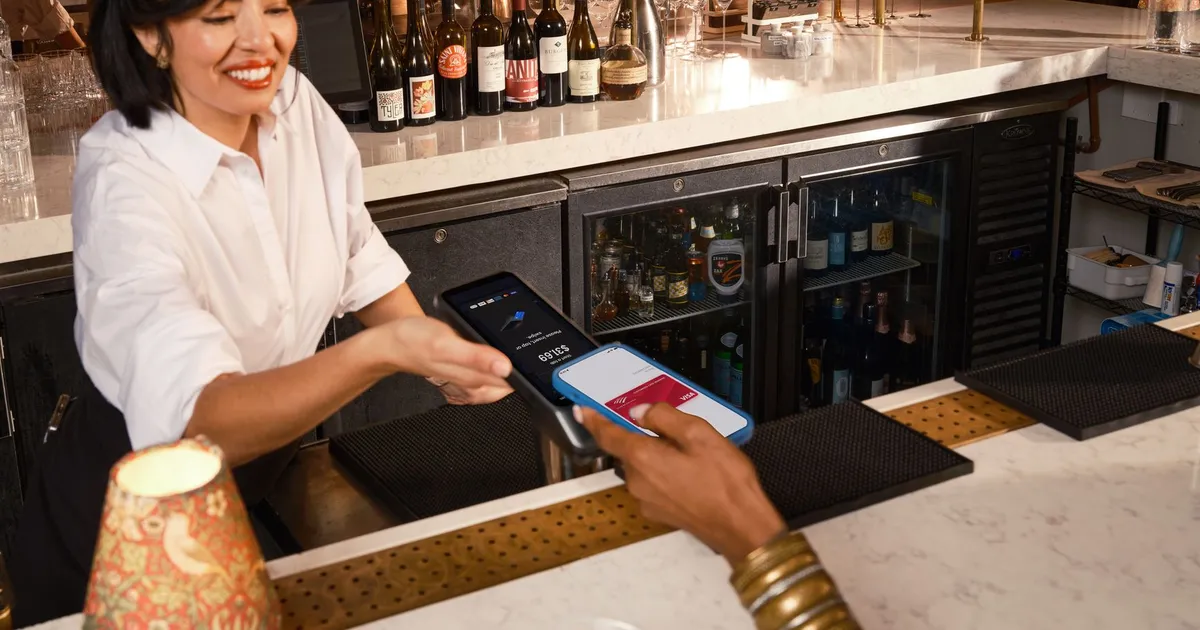
The consumer pitch for digital driver’s licences is easy to make. They are optional, they are harder to fake than plastic, and they let you prove you are over 18 without handing over your name, address and full date of birth. The government opened a four-week consultation on the detailed rules on 16 July 2026, following enabling legislation that passed in May 2026.
The business story is less tidy. Bars, bottle stores, rental firms, fleet operators and employers of drivers check identity documents every day. A digital credential does not remove any of their legal obligations. It just changes how they meet them, and adds a layer of technology, training and policy they have to get right.
What the check actually confirms
Under the design set out by 1News on 18 July 2026, a user stores their licence in a digital wallet after scanning the physical card and passing a facial likeness test against NZTA’s Driver Licence Register. A secure token is added, the details are stored on the device, and the licence works offline. Crucially, screenshots, cached copies and saved images are not valid, because they cannot be cryptographically verified.
Businesses verify credentials using an approved tool such as the NZ Verify app, which checks expiry dates, consults revocation lists, retains no data on the device and transmits nothing to servers. It blocks screenshots and uses cryptographic verification to confirm the credential is genuine and unaltered. The system is built on ISO/IEC 18013-5, the international standard that also underpins Australian state schemes.
That is a genuine security upgrade. But a valid-and-current confirmation is not the same as the checks many businesses actually need to make.
The liability does not move
For licensed premises, the point is blunt. Harkness Henry Lawyers noted in June 2026 that “your legal responsibilities remain unchanged. Licensees must still be satisfied as to age and must not sell alcohol to minors, regardless of whether ID is digital or physical.” The Sale and Supply of Alcohol Act obligation stays exactly where it was. The format changes; the duty does not.
Acceptance is also discretionary. The same firm noted licensees “can choose whether to accept digital ID” and expects that “initially, some venues will accept digital ID and others will not, depending on confidence, systems and training.” Either path carries a cost. Venues that accept it need staff trained to use the verification app correctly. Venues that decline it need a clear written policy so door staff are not improvising at 11pm.
Rental firms and employers need more than a yes
The selective disclosure feature is a privacy win for consumers, but it raises a practical question for anyone who needs detail. Vehicle rental companies, listed as an intended user of NZ Verify, do not just check age. They need licence class, endorsements, conditions, and confirmation the holder is not disqualified or suspended, all of which sit in the Driver Licence Register. They will need to confirm the verification flow surfaces what their insurance and legal obligations require, not just a pass on age.
Employers who hire drivers face the same gap. If a worker’s licence is suspended and the employer did not check, the liability question is identical whether the check was digital or on paper. Digital is not a shield.
The sticker change nobody is discussing
A related change makes physical WoF and rego stickers optional, with enforcement done by plate lookup instead of windscreen inspection. That removes the $200 fine for failing to display labels, but it also strips fleet operators of the quick visual compliance check a windscreen sticker provides across a yard of vehicles. They will need a digital system to track status instead.
Engage now, not at launch
The fiscal case is strong. A November 2025 Cabinet briefing recorded NZTA spending just under $17 million printing and posting 14 million items in a year, with the digital programme projected to deliver over $1.9 billion in net benefits over coming decades. Digitising Government Minister Paul Goldsmith framed it around choice, saying those who prefer plastic can keep it.
The app is still in development with no launch date, and NZTA is working with the Privacy Commissioner on a Privacy Impact Assessment. Hospitality New Zealand has been engaged on the wider alcohol reforms, with the industry noting in a March 2026 statement that several proposals came from its own advocacy. The rules are not final. The businesses that answer the compliance questions now, what a check confirms, what happens when it fails, and what records they should keep, will be the ones ready when the counter becomes a checkpoint.
Sources
- 1News: Digital driver’s licences, details of how they’ll work revealed (2026-07-18)
- 1News: Digital driver’s licences, feedback sought for public confidence (2026-07-16)
- 1News: Digital driver licences are now legal, what you need to know (2026-05-14)
- Harkness Henry Lawyers: Digital Identification for Alcohol Purchases (2026-06-08)
- govt.nz: NZ Verify app (2026-06-04)
- Ministry of Transport: Cabinet Paper Progress on the Land Transport Rules Reform (2025-11-19)
- Scoop: New Sale and Supply of Alcohol Amendment Bill Supports Commonsense Changes, Says Hospitality New Zealand (2026-03)
- NZTA: The Driver Licence Register