

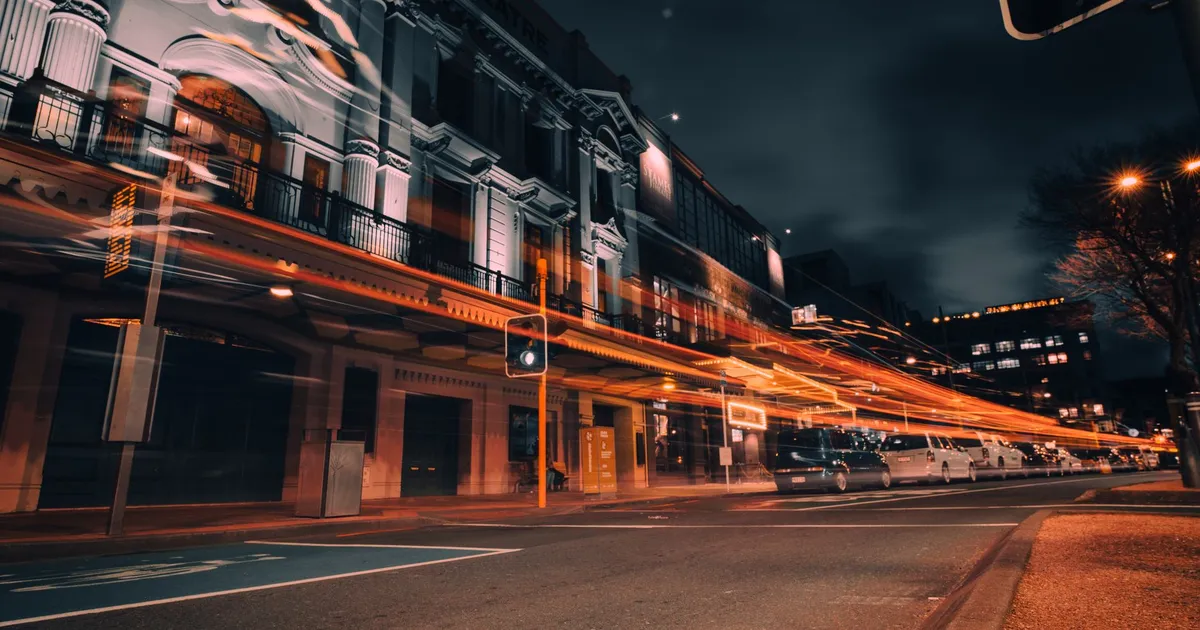
Dakota, the cowboy-themed Courtenay Place nightclub best known for its mechanical bull, has closed after 14 years. Owner Jose Ubiaga isn’t dressing it up. He told RNZ the strip is “the worst it’s ever been”, with venues “sitting rotting” and Friday nights “grim”.
One bar closing is a hospitality story. A run of them is a property story. Dakota follows The Garden Hotel, Red Square, BL3 and Siglo out of the same precinct. When an entertainment strip loses its anchors one by one, the problem lands on landlords’ valuations and the council’s rating base, not just on the people pouring the drinks.
Costs went up, customers didn’t
The numbers Ubiaga describes are brutal. Alcohol licensing costs rose roughly 400% over five years, stacked on top of Courtenay Place rents and new water rates bills. Sales fell 35% in June and never recovered. Only one in four people coming through the door were actually buying drinks.
Wellington City Council charges between $870 and $9360 a year for an alcohol licence, including the application fee. Meanwhile demand has thinned. Ubiaga points to fewer tourists, dead mid-weeks, and young people who used to go out two or three times a week now doing so “possibly that many times monthly”, which he links to cost-of-living pressure on students.
There is a complication worth stating plainly. Dakota had its licence suspended earlier this year after being caught selling to a 16-year-old for the second time. Ubiaga insists that had nothing to do with the closure. Readers can weigh that, but it doesn’t explain why four other venues on the same block also went dark.
Nor is this Ubiaga’s first fight with the system. In 2024, while running SugarWoods, he told the NZ Herald that licence objectors were trying to “close Courtenay Place down to 2am”, calling a 2am restriction the “nail in the coffin”. Two years later he has left Wellington hospitality entirely.
Rents that refuse to blink
Here is the part most coverage misses. JLL’s latest Wellington data shows total retail vacancy rising to 10.7% in the first half of 2026, up from 9.6%. CBD vacancy actually eased to 9.2%, but suburban vacancy jumped to 15.2%. Yet prime CBD gross rents have sat at $1800 per square metre for nine consecutive quarters, with Willis Street and the Golden Mile facing extended leasing timeframes.
Earlier in 2026, Colliers reported that incentives and flexible lease structures were increasingly needed to attract tenants in softer locations, while seismic strengthening and construction costs constrained new supply.
Read together, that is a standoff. Owners are holding headline rents and betting on a recovery, while the tenants who would fill their space face compliance bills that have quadrupled. Incentives can mask the gap for a while. Empty frontages can’t.
Three fixes moving at three speeds
The good news is that everyone now agrees something is broken. The less good news is timing.
In September, the Ministry for Regulation’s hospitality review recommended a single nationwide alcohol licensing system to replace council-by-council fee setting. Hospitality NZ chief executive Kristy Phillips backs it, saying councils and industry should “reset some of the settings to increase the viability of business”. That is sensible deregulation, but it isn’t law yet.
Wellington City Council has agreed to a faster, partnership-based revitalisation programme, with weekly street cleaning and a $150,000 grant to the Te Aro Hā-Courtenay business partnership already underway. The headline figure, a budget of up to $40 million covering Courtenay Place and central-city transport, remains subject to future Long-term Plan decisions. Until it’s committed, it’s a plan, not money.
Private capital is moving fastest. Te Aro Hā is refitting heritage buildings and pitching an “18-hour neighbourhood” rather than a nightlife-only strip, with a lighting retailer, a boutique hostel and a sauna studio already in. The redeveloped Reading Cinemas block, due late 2027, could be the real catalyst.
Activation beats nostalgia
None of this is new. Back in February 2025, Hospitality NZ’s then-chief executive Steve Armitage argued that streamlined permitting and unifying events were central to reviving city centres. Ubiaga makes the same point now, noting that events like High Tide make “significant differences” when they happen, while assets like the St James Theatre sit underused.
The diagnosis is settled. Licensing reform, committed council funding and realistic rents all need to land before the 2027 anchors open. If landlords keep waiting for the market to come to them, and Wellington keeps funding its precinct plan in principle rather than in cash, Dakota won’t be the last long-standing tenant to hand back the keys.
Sources
- RNZ: Courtenay Place ‘rotting’ as long-time club quits the capital (2026-11-20)
- The Post: Dakota Bar calls time on ‘barren’ Courtenay Place (2026-11-12)
- NZ Herald: Wellington bar owner Jose Ubiaga blames liquor licensing opposition for recent closures (2024-08-23)
- JLL: Wellington Retail Market Dynamics Q3 2026 (2026-11-13)
- The Post: Why it’s vital that Wellington regains its hospo mojo (2025-02-24)
Join the discussion
Add useful context, ask a good question, or challenge an idea — keep it specific and respectful.