

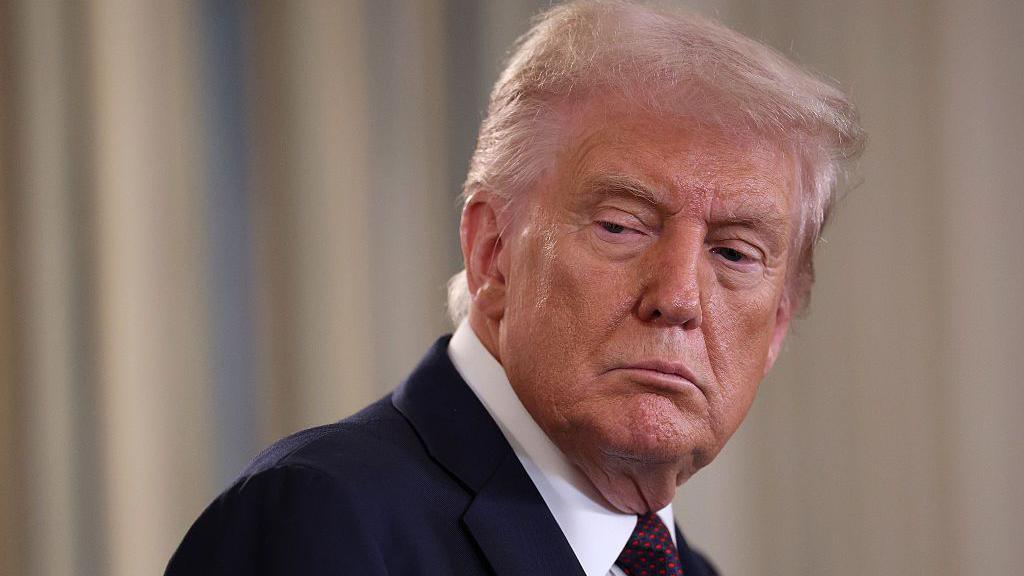
A nationwide power failure gripped Cuba on Monday, exposing the stark vulnerabilities of its state-dominated energy sector and coinciding with U.S. President Donald Trump’s candid assessment of an opportunity to free the island from communist grip.
This collapse, the first since America curtailed oil flows following the ousting of Venezuela’s Nicolás Maduro, afflicted 10 million people and prompted Trump to muse from the Oval Office on long-simmering tensions.
“You know, all my life I’ve been hearing about United States and Cuba, when will the United States having the honor of taking Cuba? That’s a big honor,” Trump stated. “Taking Cuba in some form, yeah, taking Cuba—I mean, whether I free it, take it, I think I can do anything I want with it.” Asked if any action might echo January’s Venezuela operation or the Iran standoff, he replied, “I can’t tell you that.”
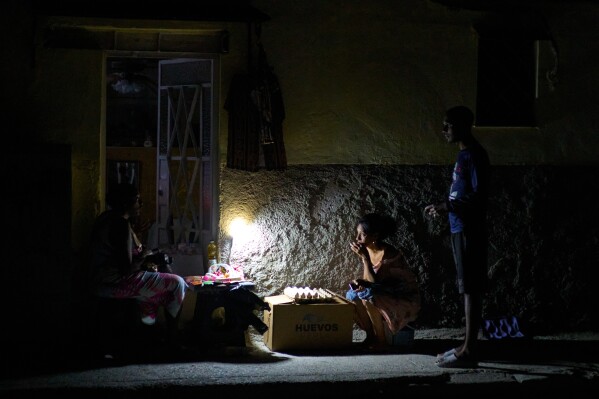
Restoration hit 55 per cent in Havana by Tuesday, yet Reuters has chronicled such outages as symptoms of Havana’s resistance to private investment and market reforms, leaving citizens to endure $9-per-litre black-market petrol—over $300 per tank, far beyond typical earnings.
Airlines including Delta and Air Canada suspended flights amid fuel shortages, slashing tourism that comprises 10 per cent of GDP by 60 per cent year-on-year, per Cuban figures. Internet volumes fell to one-third normal levels, as Kentik’s Doug Madory observed, “At the latest measurement, Cuba is at only one-third of its normal traffic volume at this time of day.”
Cuban Deputy Foreign Minister Carlos Fernández de Cossío blamed U.S. “happiness” over family hardships, “Officials in the U.S. (government) must be feeling very happy by the harm caused to every Cuban family.”
Locals like Varadero’s Miguel and Havana resident Dayana Machin improvise with solar panels and reserves, while musician Lazaro Caron vows to “face it and keep moving forward, see what happens.” Protests rocked Morón over shortages, signalling demands for accountability.
President Díaz-Canel bewailed three oil-less months despite U.S. talks, decrying the blockade’s toll, “The impact (of the blockade) is tremendous. It is most brutally manifested in these energy issues. This causes anguish among the population.”
Trump warned Cuba runs on “fumes,” with Secretary Marco Rubio insisting, “So they’re in a lot of trouble, and the people in charge, they don’t know how to fix it, so they have to get new people in charge. Suffice it to say that the embargo is tied to political change on the island. The law—the embargo’s codified, but the bottom line is, their economy doesn’t work.”
The Wall Street Journal analyses underscore how central planning, not sanctions alone, fuels this implosion, curbing Havana’s malign alliances and bolstering hemispheric security while spotlighting the human cost of suppressed individual enterprise.