

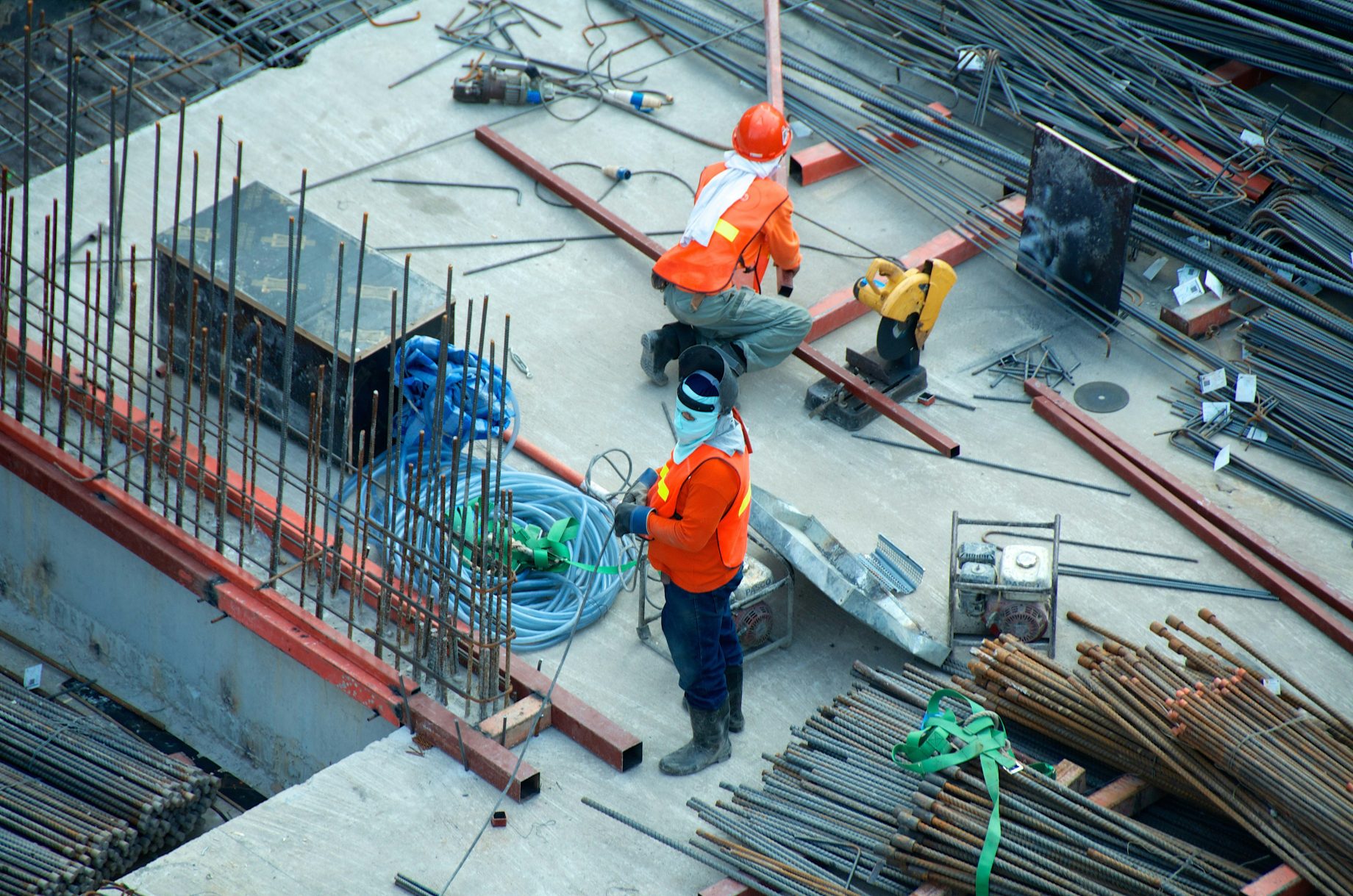
While recent economic growth numbers suggest a gentle recovery in residential construction, commercial construction is still struggling to regain momentum. The industry, which is still rebounding from a lengthy downturn, now faces additional pressure from unavoidable cost increases.
Apollo Projects executive director Paul Lloyd said his company has enjoyed a positive 12 months but cautioned that sector-wide projects could be delayed as costs rise.
“I’ve already seen, for one of the materials we buy, a 30% increase coming through for something that is both freighted and made from a base product of oil and and this is where it’s going to get really messy,” he said.
“Even drainage pipe is oil-based; it involves a lot of heating and production. So that’ll start to move. It’s pretty much everywhere, isn’t it?
“Even a 2% or 3% or 4% increase overall, that can be the margin of a project, and then all of a sudden you’ve got contractors, and there’s subcontractors, and the whole pyramid starts to topple – it doesn’t do anyone any good when that happens.”
Rising costs test the resilience of the private sector
Nick Innes-Jones, a construction sector leader at advisory firm BDO, warned that many head contractors may not have the balance sheets to weather a shock of this scale, having come off slower growth in previous years.
“We’ve come up off a lower base over the last couple of years,” he said.
“It’s pretty tough, and it’s going to get tougher and tougher because the activity slows down, and having come off slower years, they might not just have that balance sheet to get them through that tougher period.”
Subcontractors, Innes-Jones noted, are particularly vulnerable. “They’re obviously getting more squeezed on margin, and if the industry then also slows down, I think there’ll be many out there that will not be able to see it through, especially if the Middle East war is prolonged.”
Risk management becomes a negotiation
Lloyd said the sector is facing a shift in how risk is allocated, noting that historically clients and lawyers have attempted to transfer risk to contractors, a reasonable expectation in a free market, but there are limits to what can be absorbed.
“And so it’s going to be really interesting to see how teams negotiate contracts to fairly split risk.”
Lloyd added that if demand slows or projects are paused, contractors may drop prices in a bid to stay busy, but that tactic benefits no one.
“You’ll put a price in for a tender today; you may not engage one of those subcontractors for six months, and while they gave you a price when you tendered, they’ll go, ‘Look, it’s no longer relevant,’ and it could be 20% higher.”