

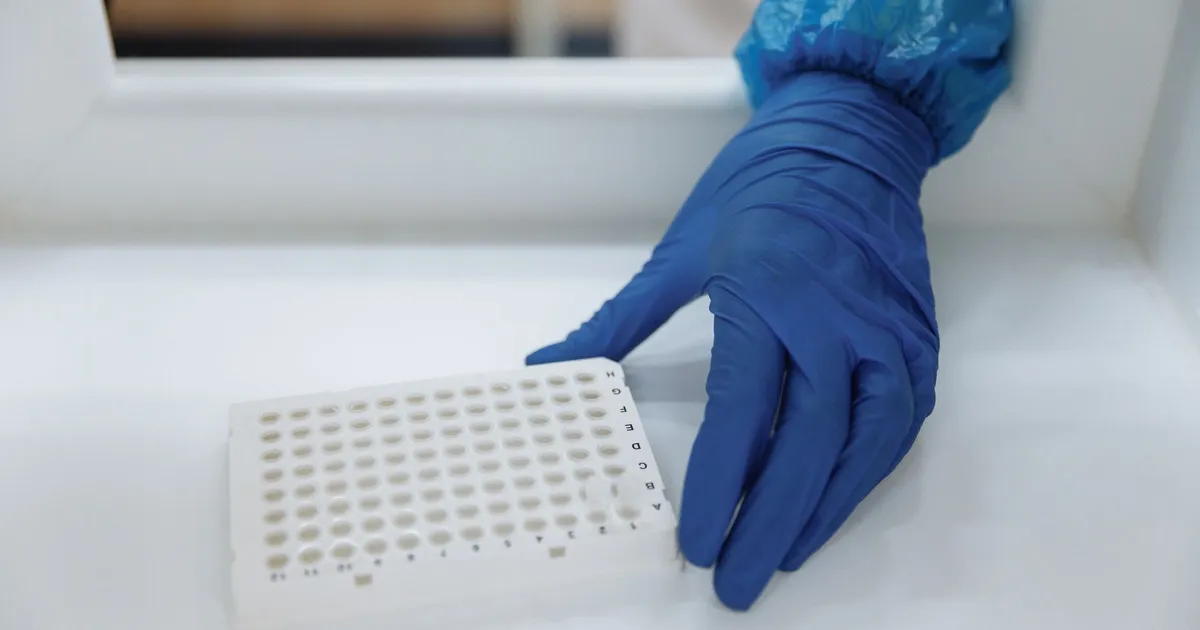
Clinical trials are usually treated as a line item inside the health system, something hospitals host and universities squeeze in between teaching. A new NZIER report for Medicines New Zealand shows that view is badly out of date. New Zealand’s trials contributed $763 million to GDP in 2025, with $324.5 million of it from non-commercial trials.
That is not a cost centre. It is a high-value export industry, paid for largely by overseas sponsors, built on local talent and running inside public infrastructure the country already owns. The problem is that nobody in government seems to be running it like one.
Roughly $3 million a trial
The report counts 250 trials in 2025 supporting 5000 jobs. Divide the GDP figure by the trial count and each study is worth a little over $3 million to the economy. Few sectors deliver that kind of value per project with so little capital tied up in plant and equipment.
NZIER deputy chief executive and principal economist Sarah Hogan says trials give skilled locals the chance to work at the frontier of their field, and that the opportunity is perishable. “If the chances are not offered, we may lose them,” she says.
The growth is striking even allowing for changes in methodology. In 2020, NZIER put the contribution of trials of new medicines at $127.4 million in 2018, with around 700 people employed directly. The new edition counts more broadly, including non-commercial work, so a straight comparison overstates things. But the direction is not in doubt. In 2020, then-Medicines NZ chief executive Graeme Jarvis argued the pandemic gave New Zealand a window of opportunity because it could keep running trials when most of the world could not. By 2023, industry players told BusinessDesk the sector had tripled in value, with private equity backing the main private trial companies.
The customer base is changing fast
The most interesting detail in the new report is who is buying. Contract research organisation Momentum told NZIER that work for large pharmaceutical companies fell from an estimated 85% to about 45% of CROs’ business in two years, with biotech firms now making up 55%.
That matters. Biotechs are smaller, more price-sensitive and far more likely to chase tax incentives and speed than a global pharma major with a fixed site list. They shop around. New Zealand’s structural advantages are real, including a southern hemisphere location that allows seasonal illness studies during the northern off-season and a reputation for quality and patient retention. But advantages like those only win business if the commercial terms are competitive too.
Australia already wrote the cheque
This is where New Zealand falls down. In 2023, BusinessDesk reported Australia was offering trial sponsors with turnover under $20 million a roughly 43% tax rebate, exactly the small biotech customer now driving demand. Local industry leaders had been asking for something comparable for years. Fast approvals through ethics committees and Medsafe were the one clear edge New Zealand held, and regulatory change has repeatedly threatened to blunt it.
The new report’s asks are sensible and not especially expensive: an enhanced R&D incentive, overseas promotion of New Zealand as a trials destination, a national body to co-ordinate public and private trial work, a review of funding for ethics and regulatory approvals, and a cross-agency group on access to medicines after trials end.
Two years of advice gathering dust
The damning part is that much of this is not new. BusinessDesk reports that ministry advice to then-Health Minister Shane Reti in May 2024 said progress on joint recommendations had stalled because of a lack of funding and prioritisation decisions within Health NZ.
That is the real failure. Demand is rising. The talent exists. The sector is bigger than many industries that get ministerial attention, and the broader health research ecosystem it sits in was already valued at at least $150 million a year in a narrower 2022 NZIER study. What is missing is someone in government willing to own it, and an operational health bureaucracy that sees trials as revenue rather than a distraction from waiting lists.
For business, the lesson is familiar. Growth sectors rarely die from lack of opportunity. They leak away to jurisdictions that make the paperwork easier and the economics sharper. A government that talks constantly about lifting productivity and growing high-value exports has one sitting inside its own hospitals. The next budget will show whether anyone has noticed, or whether the biotech money keeps drifting across the Tasman.
Sources
- BusinessDesk: NZ at risk of losing clinical trials to Australia, report warns (2026-11-17)
- Newstalk ZB: Clinical trials contribute millions to GDP, Govt urged to take advantage (2026-11-18)
- NZIER: The value of clinical research with modern medicines in New Zealand (2020-05)
- Newstalk ZB: How clinical trials are contributing to the NZ economy (2020-05-21)
- BusinessDesk: The booming business of clinical trials (2023-03-08)
- NZIER: Valuing health research in New Zealand (2022-10)
- Medicines New Zealand: Clinical Trials
Join the discussion
Add useful context, ask a good question, or challenge an idea — keep it specific and respectful.