

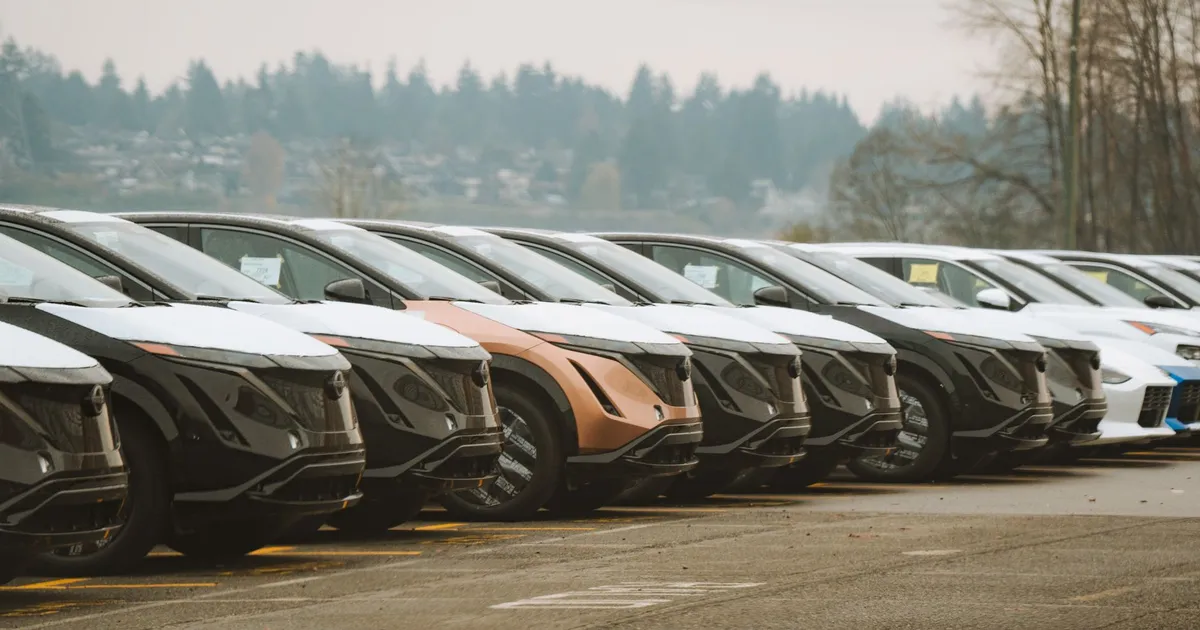
The number that reframes the market
Chinese car brands have stopped being the cheap outsider bet. Trade Me’s 2026 Cars Consumer Insights Report, reported by Stuff on 29 August 2026, finds 33% of new-car buyers are now considering a Chinese brand, ahead of European makes on 29% and American on 15%. Japanese brands still lead at 75%, but the pecking order below them has been rewritten in barely two years.
This is not a survey quirk. Consideration is translating into registrations. Motor Trade Association data reported by CarExpert puts four Chinese brands inside the top 15 best-selling passenger brands year-to-date: BYD, MG and GWM sitting fourth to sixth, with Chery at 13th.
A quarter of the market in a single month
In July 2026, Chinese brands took 2,286 new passenger registrations, or 26.2% of the passenger market, more than double the 1,128 units the same brands managed in July 2025. BYD alone landed third among all brands with 622 registrations, up 143% year-on-year. The overall market was strong too, with passenger registrations up 14.8% to 8,736 units, the best July since 2021.
The sharpest edge is electrification. Chinese-made models account for 11 of the top 15 PHEVs and 12 of the top 15 EVs year-to-date, and China supplied 73% of New Zealand’s fully electric vehicles in the year to 30 June 2026. Battery and plug-in models made up 29.8% of all new registrations in July, up from 11.8% a year earlier, and fewer than one in five new vehicles sold in July ran on petrol alone.
Fuel anxiety is part of it. BYD New Zealand general manager Warren Willmot told RNZ the surge was driven by “fears that the government might impose restrictions on vehicle use and fuel supplies could run short because of conflict in the Middle East.”
Legacy brands are quietly losing ground
MTA chief executive Lee Marshall put the structural read plainly, telling AutoTalk that Chinese vehicles “continue to be attractive to drivers on a budget and represent great value on paper. Flip that on its head and legacy brands continue to decline in overall market share.” His forecast leaves little wiggle room: the market in a couple of years “will contain a lot less from legacy brands, a lot more Chinese brands, and a lot more electrified vehicles.”
With 29 Chinese brands now represented in New Zealand, consolidation is inevitable. Some will not build the network depth to survive. BYD, at least, is betting on volume, announcing a record 2,750-vehicle shipment to clear a backlog.
The part the headline number doesn’t capture
Winning the shortlist is not the same as winning the ownership decade. Motor Industry Association chief executive Aimee Wiley made the point in July 2026: “The strength of a vehicle offering cannot be assessed solely by its purchase price, specification, or stated warranty period. NZ buyers have historically always been attracted to value-based products that offer a quality experience and also favour a quality after-sales experience.”
That is the real business risk. Chinese brands have won consideration and initial purchase. They have not yet built the parts supply, service depth or resale track record that underpin Japanese and European values. The used market shows the lag starkly: just 12% of used-car buyers are considering a Chinese brand against 76% for Japanese.
Who carries the exposure
That gap lands on three balance sheets. Financiers and leasing companies have written a mountain of paper against residual values with almost no resale history to price against. If those values disappoint when today’s cars age into a still-forming used market, the loans are mispriced. Insurers face the same thin data on parts availability, repair-network depth and total-loss rates. And dealers locked into declining legacy franchises face shrinking volume, while those backing the wrong Chinese brand risk an after-sales collapse if the importer folds.
Fleet buyers, meanwhile, are already committed. With electrified vehicles now 56.6% of the July market, decisions made this year will shape energy, maintenance and residual outcomes for the next five to seven years. The consideration numbers say the shift has happened. The open question is whether the ownership experience, and the finance books built on it, hold up once the novelty fades.
Sources
- More Kiwi new-car buyers considering Chinese brands over European – study (2026-08-29)
- More Kiwi new-car buyers considering Chinese brands over European – survey (2026-08-28)
- Chinese electric vehicles reshaping New Zealand’s car market (2026-08-14)
- Chinese brands drive July passenger vehicle growth (2026-08-01)
- The cars Kiwis bought in July: Ranger tops the charts as Chinese brands grab a quarter of the market (2026-08-01)
- NZ passenger vehicle sales climb as commercial market slows in July (2026-08)
- Brand bonanza – but how many new car choices do we need? (2026-07-20)
Join the discussion
Add useful context, ask a good question, or challenge an idea — keep it specific and respectful.