


China’s National People’s Congress gathers this week to approve the Law on Promoting Ethnic Unity and Progress, a sweeping measure that cements President Xi Jinping’s strategy for binding the country’s ethnic mosaic into a singular national fabric.
State media trumpet the bill as a blueprint for harmony, development, and frontier stability in resource-laden regions like Xinjiang, Tibet, and Inner Mongolia, where minorities hold sway over vast territories despite comprising under 10% of the 1.4 billion population.
Drafted after years of deliberation since 2023, the legislation compels schools, firms, families, and officials to foster Mandarin dominance in classrooms from preschool upwards, sidelining native tongues for most subjects, while encouraging population flows, joint ventures, and marital ties across groups to build what it terms a “shared spiritual home.”
It echoes Xi’s doctrine more than 30 times, prioritising Party oversight and a unified “Chinese nation” identity, with parents directed to instil love for the Communist Party in children and bans on any perceived threats to cohesion, from online dissent to foreign meddling.
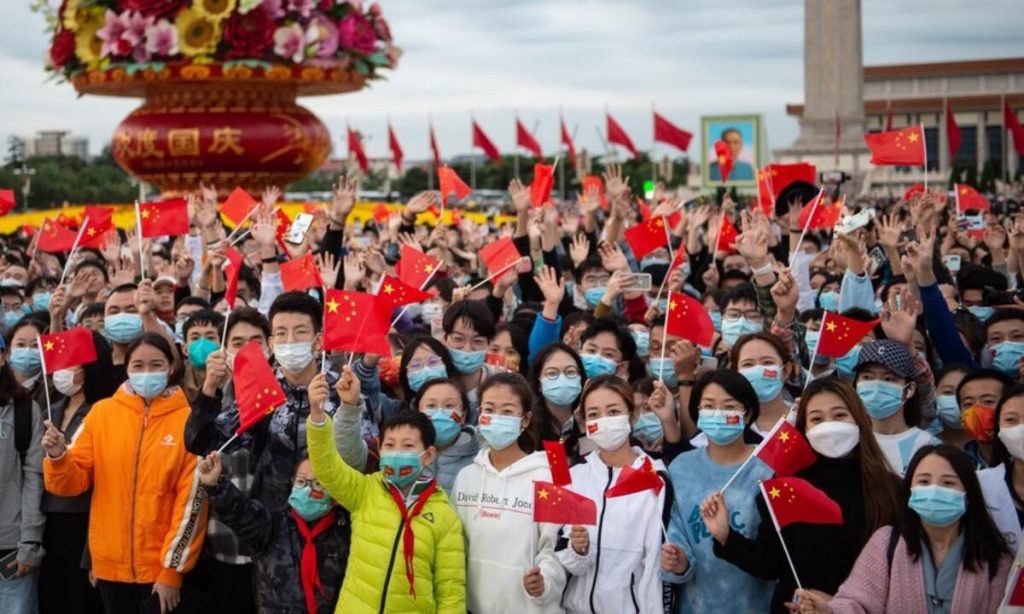
This formalises long-running assimilation drives, from Xinjiang’s internment camps—dubbed vocational centres by Beijing—and Tibet’s monastery curbs barring youth from Buddhist study, to Han migration incentives reshaping Lhasa and Urumqi. Past violence, including 2008 Lhasa protests, 2009 Urumqi riots, and later attacks, has long justified such controls, though exiles and rights groups decry cultural erasure.
“Whether it is the promotion of Mandarin or the restrictions on expression of ethnic minority identity, religious practices and so forth, the regime is saying that all that stuff we did is correct and, we are so confident in that, that we are going to now elevate what was previously just sort of policy to the level of basic law,” says Aaron Glasserman of the University of Pennsylvania.
NPC spokesman Lou Qinjian insists it bolsters integration. “It aims to ensure the party’s comprehensive leadership over ethnic affairs, improve institutional mechanisms for strengthening a sense of a shared community for the Chinese nation and to support ethnic minority regions in better integrating into the country’s overall development.”
Critics abroad, including the Campaign for Uyghurs and Human Rights Watch, warn of accelerated Sinicisation, but Beijing frames the law as reining in local excesses while securing a prosperous, indivisible future.