

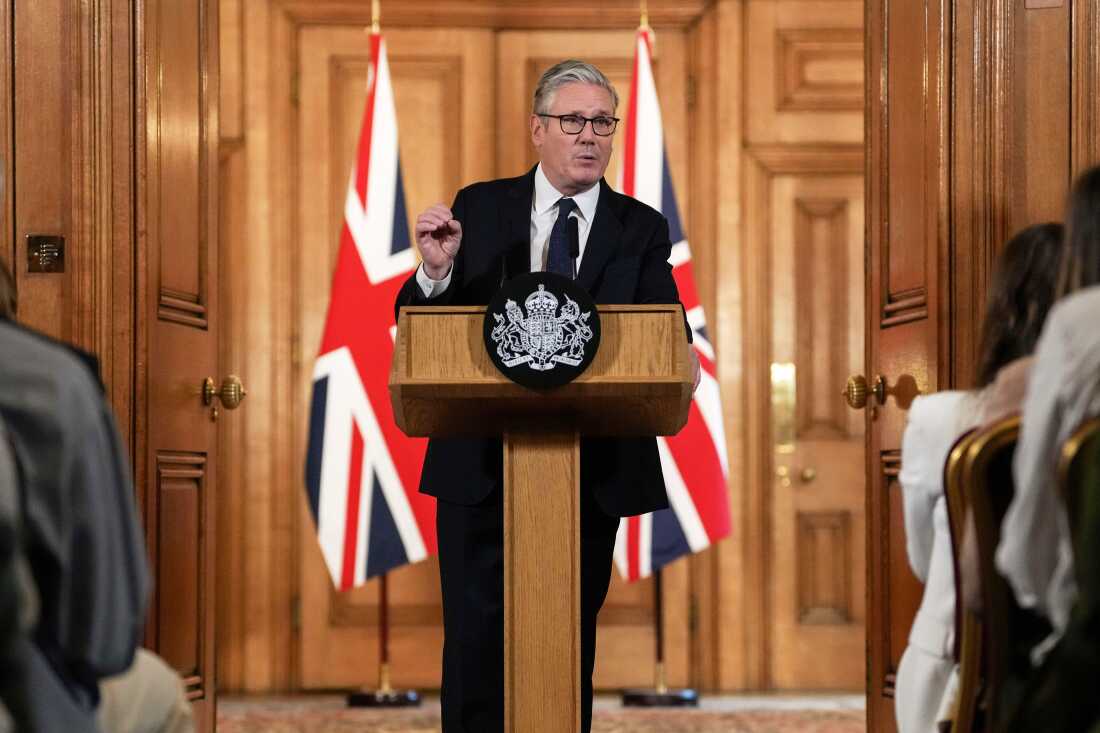
Britain is preparing to introduce one of the toughest social media restrictions for children, with Prime Minister Sir Keir Starmer announcing plans to block under-16s from using major platforms.
The proposed ban would cover services including TikTok, Instagram, YouTube, Snapchat, Facebook, and X, while private messaging apps such as WhatsApp and Signal are not expected to be included. The measure would mark a significant expansion of the UK’s efforts to regulate technology companies and protect children from online harm.
Starmer said the government had decided to act after years of concern over the impact of social media on children’s wellbeing, safety, and daily lives.
“We’re going further than any country in the world by banning social media for under-16s and putting wider protections in place to give kids their childhood back,” he said, adding that the policy would “give [kids] more time, more security, more freedom to grow up, more opportunity.”
The proposal builds on the UK’s Online Safety Act, which gives Ofcom powers to oversee how digital platforms protect users, particularly minors. Ministers now want to go further by setting age-based restrictions and limiting features that are seen as higher risk for children, including livestreaming and contact from strangers.
Legislation is expected to be discussed in Parliament before Christmas, with the ban targeted for early 2027. The UK is following Australia, where a similar under-16 social media ban came into force in December 2025. Other countries, including Canada, Brazil, Indonesia, France, Spain, Denmark, Thailand, and South Korea, have also been examining tighter controls on children’s access to online platforms.
Technology companies have pushed back, warning that broad restrictions could have unintended consequences. YouTube said younger users could be forced away from supervised online spaces.
“We’ve invested in expert-led, age-appropriate experiences and default protections for teens for over a decade and will continue to do so,” a spokesperson said.
Meta, which owns Facebook, Instagram, and WhatsApp, also opposed the proposal. “Like others, we don’t think bans will achieve this goal,” a spokesperson said.
Supporters argue that stronger action is needed after years of voluntary safeguards, while critics say the government must ensure children are not cut off from educational resources, support networks, and safer online communities.