

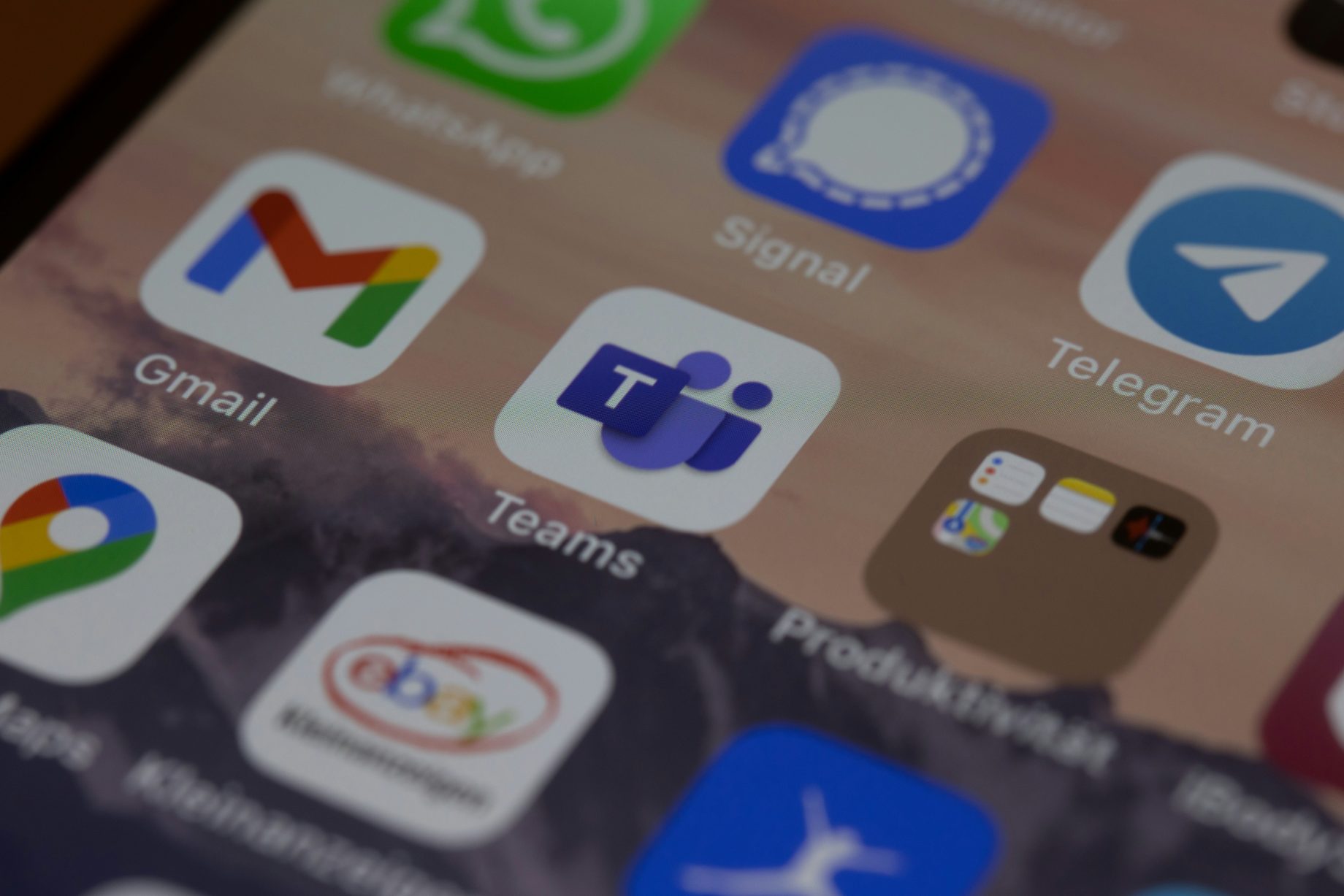
Tech giant Microsoft is rolling out a new feature in its Microsoft Teams platform that will enable remote monitoring of employees’ presence, whether they are working in the office or offsite. However, a cybersecurity software expert is questioning the move.
When enabled, the feature allows Teams to detect activity on a user’s device even when they are not actively using the Teams tab, according to information published on the company’s website.
Users will also be able to choose the option “Keep my current status when I’m active outside of Teams on the web,” Microsoft said.
According to Microsoft, the update “addresses common feedback about inaccurate presence status and improves collaboration visibility.”
While Microsoft said the feature is intended as another way to understand users’ availability, University of Auckland researcher Alex Baird warned that how the collected data is used by the tool needs careful consideration.
“The Privacy Act is pretty clear on being thoughtful about why something is being collected and then only using it for that purpose,” he said.
“So, if it’s collected to help your teammates know where you are, great. Is it being collected for performance tracking? Well then that’s a very different thing.”
Baird said organisations can choose whether to enable or disable the feature, depending on their internal settings and policies.
“The challenge is that if you distribute this to a whole organisation – opt-in – every single employee has to consider it and then manually turn off a setting, and we all know how hard it is to change settings in these complicated apps.”
Baird said that some aspects of the feature were understandable and could have practical use.
“Does your line manager need to know where you are? Yeah, they need to be able to pop down and have a chat with you or jump on a call with you,” he said.
“But is it appropriate for everyone in the organisation to know? Perhaps not.”
Baird described the feature as an extension of the “active” status on Microsoft Teams.
He said it appeared to be a well-intentioned addition but stressed the importance of being thoughtful about discussions within teams and with employers about whether the feature should be enabled and how the data it collects is ultimately used.