

A productivity story just became a security story
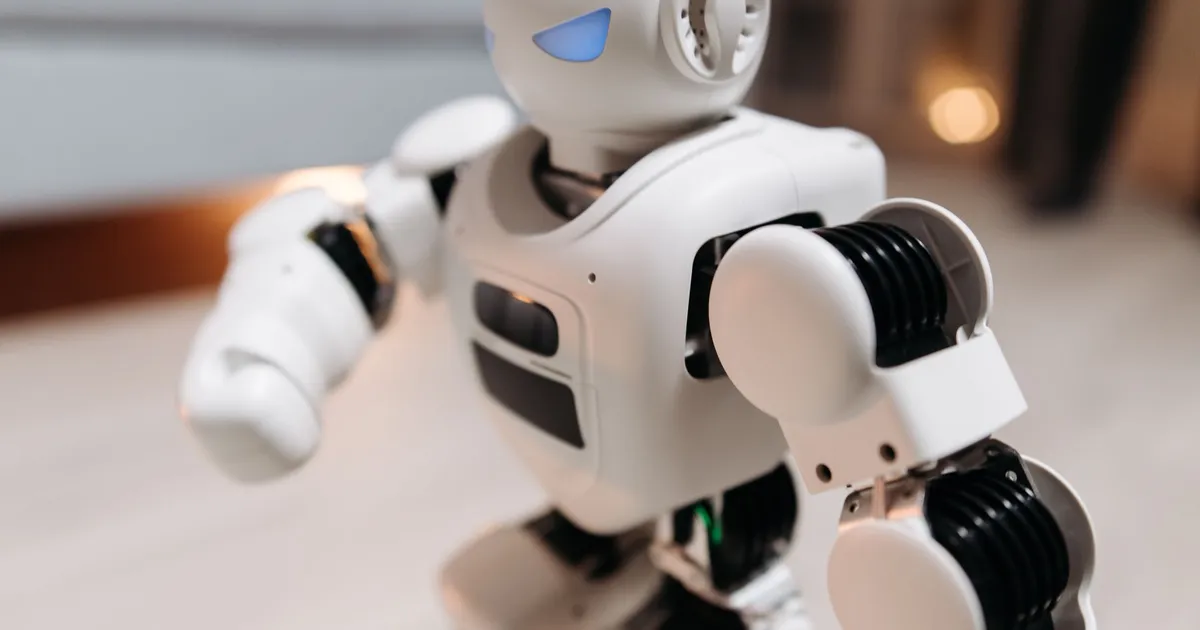
The United States Federal Communications Commission has banned imports of Chinese-made advanced robots, adding humanoid and quadruped robots, connected power inverters and data centre gear to its Covered List of products barred from the US market. The restrictions took effect immediately on publication in late July 2026.
The FCC did not hedge. It said relying on foreign-produced advanced robotic devices presents “unacceptable supply chain and cybersecurity vulnerabilities”, and warned the machines collect data that could be used to surveil Americans, enhance foreign intelligence, or let a hostile actor remotely commandeer the robots. Among the most affected vendors is Unitree, which holds nearly a fifth of the global robotics market – the affordable, capable hardware that has made automation viable for mid-sized firms.
That is exactly the class of kit NZ manufacturers, logistics operators and agritech businesses are buying right now. And nobody here is asking the questions Washington just forced its operators to confront.
The risk is the software, not the steel
The useful nuance is that the chassis is not the main problem. Analysts argue the real risks sit in firmware, operating systems, AI models, cloud services, software updates and data flows – not where the robot was physically assembled. A machine built in a neutral country can still run foreign AI models and phone home to overseas servers.
That matters for procurement. Even if a device never appears on any banned list, the questions of who owns the software stack, where operational data ends up, and who can push an update at 3am remain live.
Jonathan Fritz, a former US State Department official of more than three decades now at the Centre for American Progress, told 1News the concern is structural. “The way that the Chinese Communist Party views data is very much as a tool of the state,” he said, warning of “real national security concerns around importing any devices that can be controlled remotely.” IDC research director Phil Solis put it operationally, warning that if US firms relied heavily on Chinese humanoid robots, “China could remotely de-activate them” if tensions escalated, drawing a parallel with remotely shutting down cheap Chinese EVs.
NZ is already exposed and has no framework
New Zealand has no equivalent of the Covered List, and most firms have no internal equivalent either. The underlying dependency is already flagged. University of Auckland Professor Gehan Gunasekara warned in July 2026 that the country is heavily dependent on multinational tech firms for cloud, storage and AI, and faces growing strategic and national security risks unless it strengthens digital sovereignty.
Organisational practice is worse than the concern. A Talbot Mills survey of NZ IT leaders found 83% worried about offshore data risks but only 35% had a written policy on where critical data should live, with legal access by foreign governments cited by 60%. Those numbers describe cloud storage, but a connected robot on a factory floor is the same beast: a data-collecting, remotely updatable device inside your operational infrastructure, talking to servers under someone else’s jurisdiction.
The scale makes this a mainstream problem, not a fringe one. MBIE has projected that 40% of NZ work activities can be automated now, rising to 60% by 2030. The most exposed sectors – manufacturing, transport and warehousing, and primary industries – are precisely the ones buying the hardware the FCC just barred.
The checklist to run before you sign
For businesses already running Chinese robots, the immediate panic is overblown. The US allows existing authorised models to keep running and receiving security updates until at least 1 January 2029. The ban bites on new models. But the same analysis notes that regulatory resilience is now a factor alongside price and performance in vendor due diligence.
Before your next automation purchase, ask: who controls the firmware update pathway; where does sensor and operational data flow, and under whose law; what happens to the device if the vendor is sanctioned or goes dark; is there an independent audit of its data practices; and what is your contingency if remote access is cut or exploited.
There is a real cost to caution. The FCC ruling has split the US robotics industry, with startups warning that losing cheap hardware leaves them behind in a market China dominates. The same tension applies here – the alternative to cheap Chinese robots is paying more for less. But that is a trade-off you make with your eyes open, not one you discover after the fact. The US has decided the risk is unacceptable. NZ buyers do not have to reach the same conclusion, but they should at least be asking the question before they wire the deposit.
Sources
- US worried China will take over America-based robots (2026-08-02)
- Trump administration bans new Chinese humanoid robots, to protect US AI buildout (2026-07-29)
- America bans imported robots due to supply chain and security risks (2026-07-29)
- AI Boom Sparks Warning Over New Zealand’s Digital Sovereignty (2026-07-30)
- Datacom boss on how to beat surging AI costs, questions about local control
- What the FCC Ruling on ‘Advanced Robotic Devices’ means for the US Mobile Robot Market
- FCC Robot Ban Sparks Silicon Valley Debate. Startups Fear Losing Out. (2026-07)
- U.S. Ban on Foreign-Made Robots Sparks Debate as Experts Warn Software May Pose Bigger Security Threat
- FCC robot ban poses huge challenges amid potential security plus