

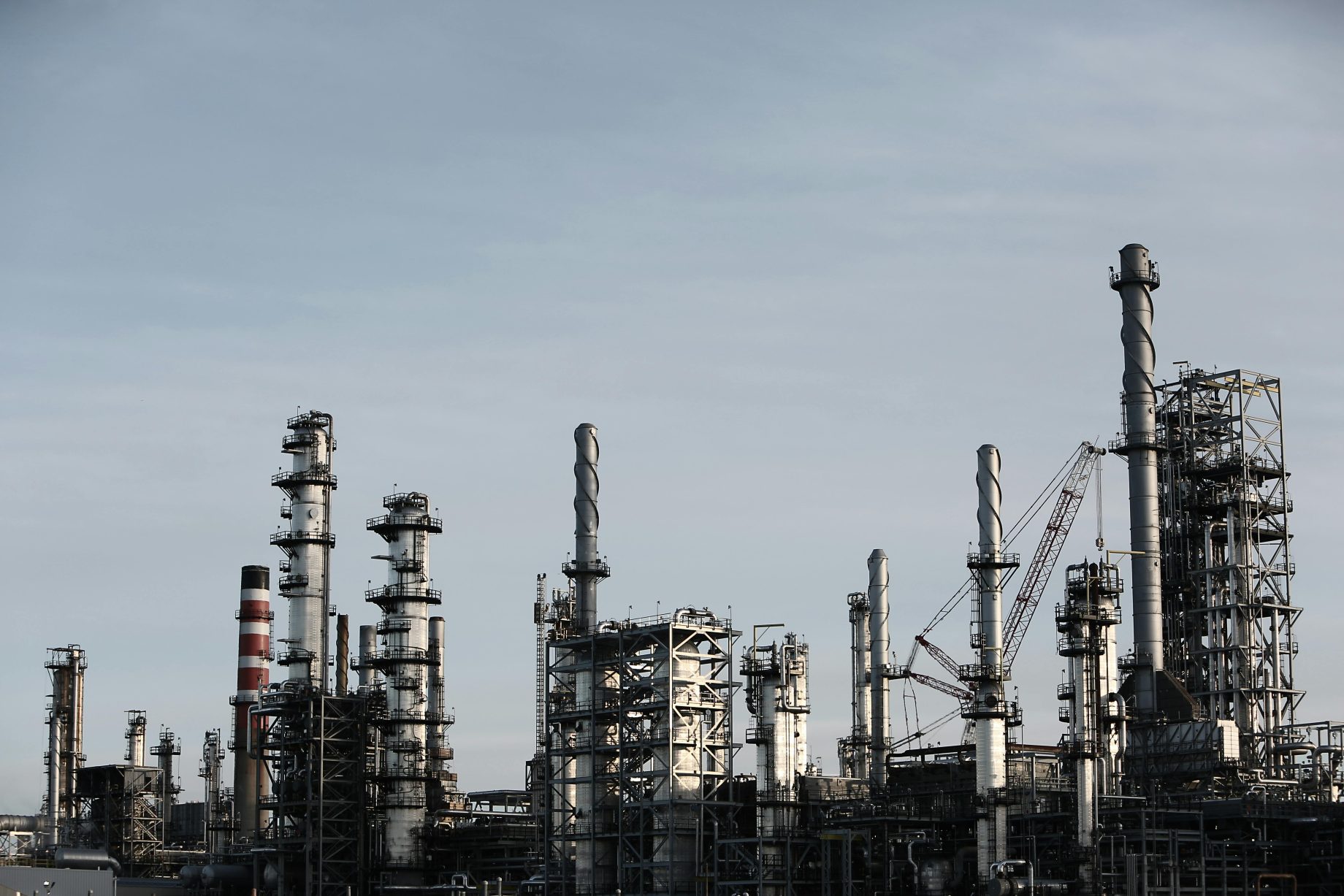
Ballance Agri-Nutrients has written down the value of its Taranaki plant by $88 million after failing to secure affordable long-term gas supply.
The impairment pushed the farmer-owned co-operative into a net loss before tax of $49 million. Stripped of the write-down, underlying earnings stood at $38m. The Kapuni facility is one of the country’s largest industrial gas users, consuming up to 22 terajoules a day.
Revenue Growth and Debt Reduction Strengthen Balance Sheet
The co-operative’s revenue grew 4% to $965m, supported by a 7.5% rise in nutrient volumes. Operating cash flow strengthened to $136m, reducing debt by $78m. Farmers will not receive a rebate, though the share price remains at $9. Chief executive Kelvin Wickham labelled the gas issue “quite frustrating, quite disappointing” and noted: “That was a bit of a body blow, but we absorbed it, took the hit, and we can move forward.”
Gas Supply Challenges at Kapuni Facility
The Kapuni facility south of New Plymouth consumes 20 to 22 terajoules of gas a day, or about seven petajoules annually, making it one of New Zealand’s largest industrial users.
Ballance’s long-term contract with Greymouth Petroleum ended this year, with no affordable renewal secured. Chief executive Kelvin Wickham said: “There is not a lot we can do about [the] NZ gas supply at affordable prices for us. That’s where the market is at; there is no gas, and the price is a lot higher.”
Short-Term Gas Contracts Offer Limited Relief
The co-op is negotiating with several suppliers for a short-term deal through January. Wickham said those talks were “promising,” but added: “From both a staffing and cost point of view, going quarter to quarter was not a sustainable option in the long term.”
Operational Changes at Mount Maunganui Plant
Ballance will cease super phosphate production at Mount Maunganui in November, converting the site into a distribution and storage centre as well as its head office. Closure costs of $37.4m could flow through to the 2026 accounts.
Production is ramping up at Awarua, and additional imports of urea and diammonium phosphate are being arranged. One-third of urea is already imported. Wickham noted: “The challenge for New Zealand is there is no nitrogen supply produced in NZ longer term if Kapuni wasn’t there, so that’s a resilience question.”
Farmer Confidence Boosted by Stronger Commodity Prices
Ballance is upbeat about the coming season despite the write-down. Improved commodity prices and Fonterra’s forecast payout of $10/kgMS are fuelling stronger demand across dairy, sheep, and beef.
Wickham said spring was “off to a really good start” and could be up 10% on last year. Aerial top dressing, which had slumped by 50%, is rebounding as farmer confidence returns. “You see the hours flown really starting to increase,” he noted.