

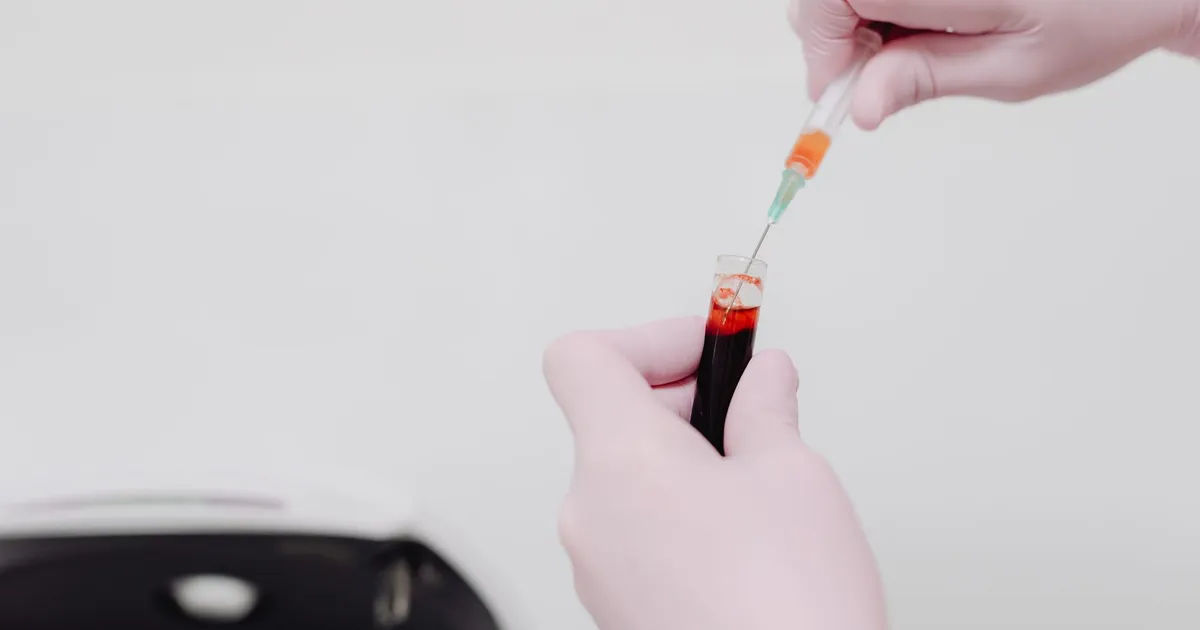
Most business owners will never set foot inside an Awanui laboratory. They will, however, wait on one. Pre-employment drug screens, ACC claims, specialist referrals and return-to-work clearances all run through community labs, and Awanui has the largest testing capacity in the country. Now its workers are preparing to strike again, saying testing is at capacity and conditions are at crisis levels.
It is tempting to file this as a health pay fight for Wellington to sort out. That would be a mistake. The bottleneck is already sitting in your sick-leave register, strike or no strike.
The queue was there before the picket line
APEX’s 2026 workforce survey found almost 70% of Awanui workers rate staffing as poor or at crisis level. In Whangārei, Wellington, Taranaki, Hutt Valley, Ōamaru, Queenstown, Balclutha and Kenepuru the figure is 80% or more. Two-thirds of staff do not believe the company runs safe laboratory services.
The operational numbers are more telling. Phlebotomists are expected to handle a median 10 patients an hour against a self-assessed safe rate of eight, a 25% overload. Median wait times for sample collection sit at 30 minutes and frequently reach an hour. That is a union survey with an interest in the outcome, but it lines up with what patients have been seeing at the counter for well over a year.
2025 showed what a full stoppage costs
This dispute is a sequel. In March 2025 APEX gave notice for more than 850 laboratory workers across Awanui, Pathlab and Medlab. The week of rolling strikes that followed was expected to wipe out over 123,000 patient tests. More than 70% of towns and cities lost lab access for at least 72 hours, with cancer reporting delays flagged in 14 regions and elective surgery at risk in nine, RNZ reported at the time.
The Employment Relations Authority stepped in, finding the action endangered life, safety or health, and recommended two 3% rises and a $500 lump sum on a deal running only to 31 March 2026. More strikes and partial strike notices followed before they were withdrawn at the end of May 2025. That short-term patch expired seven months ago. Nobody should be surprised the wound has reopened.
A funding design flaw, not just a pay grab
The core grievance is a gap of roughly 30% between private lab staff and Te Whatu Ora counterparts doing identical work, the legacy of a 2023 pay equity settlement that lifted public lab pay without funding the private side. In 2025 APEX’s Deborah Powell, then national secretary, argued the private labs had taken millions of dollars out in profit without lifting wages.
Both ends of the contract own this. Buying community testing from private providers is sensible policy; it keeps the state out of running courier routes and collection rooms. But a funder that lifts pay on one side of the fence and leaves the other to absorb a 30% gap is engineering an exodus. Operators, meanwhile, have chased savings through consolidation. In 2025 a courier twice mislaid hundreds of samples being trucked from Auckland to Wellington, a move APEX’s Sam Heimsath called “a cost-cutting exercise”. Awanui said all samples were found and no patients needed re-testing.
The warning was on the record long before that. Back in 2024, Nelson pathologist Dr Liz Roberts, then vice-president of the Royal College of Pathologists of Australasia, said that without more training and retention “we could be seeing a crisis in the making”.
Where it lands on your business
The 2025 strikes gave a preview. In Taranaki, partial action left queues out the door at collection points, and New Plymouth MP David MacLeod ended up queuing himself at Bell Block. GPs have previously had to rework normal clinical practice around strike rounds, with longer waits for results pushing back referrals and treatment.
For an employer, every delayed result is a delayed decision. An injured worker cannot be cleared for modified duties. A new hire’s drug screen holds up a start date. An ACC claim stalls. A specialist appointment slips a fortnight, and a valued staff member stays off longer than needed.
The practical response is unglamorous. Book pre-employment screening early rather than the week before a start date. Build test turnaround into return-to-work plans. Encourage staff to get morning collections done before queues build, and talk to occupational health providers now about contingency.
The fix sits with the funder
Strike days will make headlines, but the bigger risk is the 360 days in between, when a thin, underpaid workforce runs at 125% of its safe pace. Health New Zealand cannot keep buying diagnostics at a price that only works if lab staff quietly accept a 30% discount. Until the contract funds the workforce it relies on, business should treat slow lab results as a permanent operating cost, not a temporary inconvenience.
Sources
- ODT: ‘Struggling’ Awanui lab workers to strike (2026-11-08)
- APEX: State of the Awanui Labs Workforce 2026 (2026)
- APEX: 850 Medical Laboratory Workers Notify Looming Week of Rolling Strikes (2025-03-06)
- The Post: ‘Brace for impact’: Lab worker strike set to disrupt most of NZ (2025-03-21)
- RNZ: How regions will be affected as lab tech strike begins (2025-03-24)
- Employment Relations Authority: Awanui Collective Agreement Facilitation Recommendation (2025-04-07)
- Awanui Labs Wellington: Thank you for your patience (2025-05-02)
- RNZ: Hundreds of blood samples mislaid by courier company, says union (2025-05-14)
- The Post: Queues ‘out the door’ frustrate Taranaki blood test patients (2025-07-13)
- NZ Doctor: GPs brace for latest round of lab workers’ strike action
Join the discussion
Add useful context, ask a good question, or challenge an idea — keep it specific and respectful.