

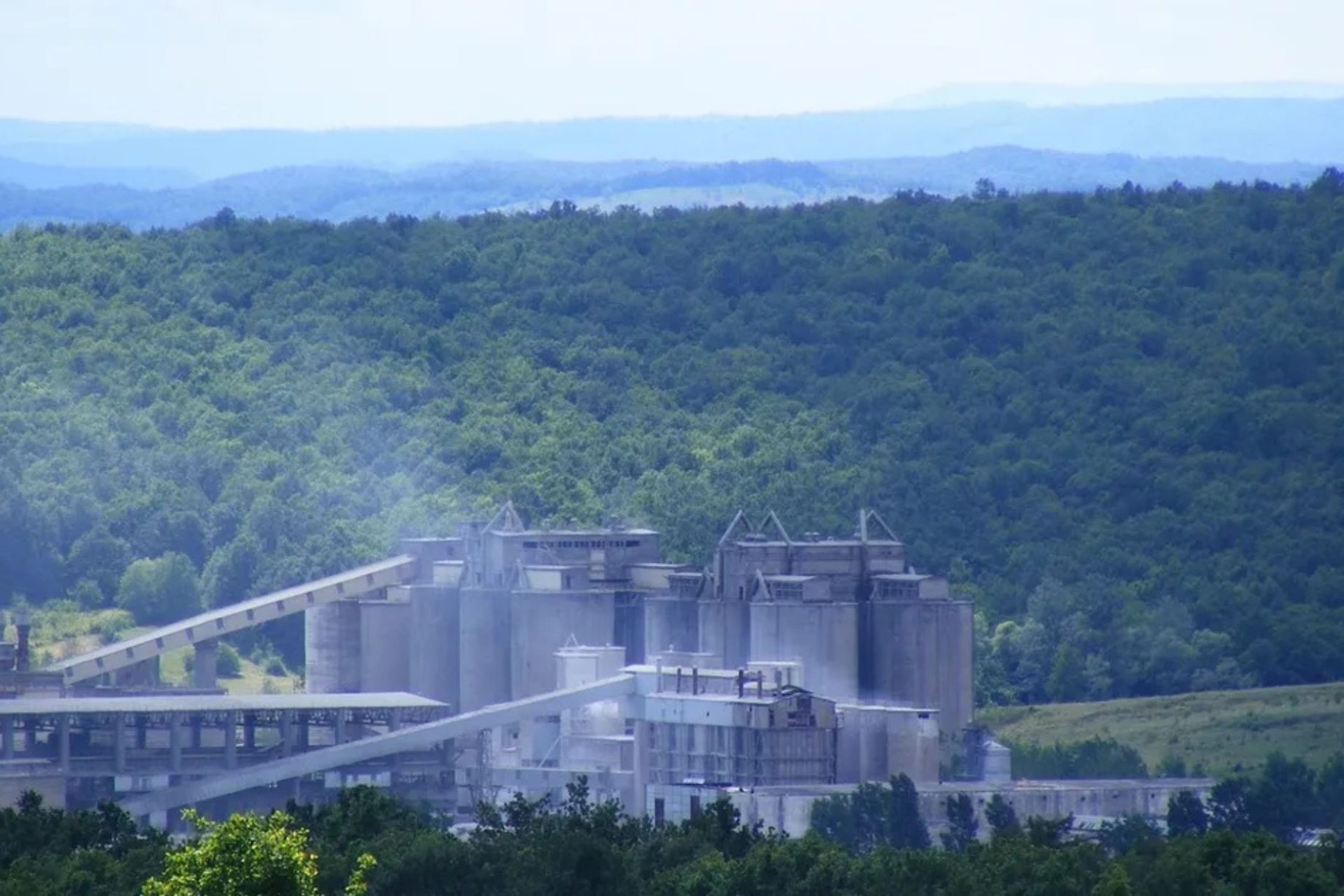
New Zealand will keep making its own cement. On 20 July the Government committed up to $60 million to Golden Bay Cement, securing the Portland works near Whangārei and pulling the country back from a future in which every bag and bulk load of cement arrived by ship.
The distinction that matters is what the plant actually does. Portland, about 10 kilometres south of Whangārei, is the only fully integrated cement facility left in the country.
It does not just grind imported clinker. It fires local limestone in its own kiln to make the clinker itself, and it supplies close to 60% of national demand, with about 95% of what it produces sold here.
That kiln was the thing at risk. Owner Fletcher Building had warned that rising costs, including carbon costs that overseas suppliers do not carry to the same degree, would have forced the plant to an import-only model from 2030.
For the people who actually pour and place the material, that is not an abstract policy question. Cement is the one bulk input most builds cannot easily substitute or wait on, and a country that made none of its own would be a captive import market, exposed to shipping disruption, currency swings and the price power that comes with being the only buyer at the dock.
In return for the funding, Golden Bay Cement has committed to keep producing cement and clinker at Portland until at least the end of 2040, and to invest at least $150 million of its own capital over that period in operations, resilience and decarbonisation. The support is a grant with clawback rights, not a loan. If the company does not hold up its side, the Government can recover the money, and the deal carries extra reporting and auditing.
Ministers did not give Fletcher everything it asked for. The company had wanted a tariff on imported cement.
None was granted. Cabinet also looked at easing the plant’s Emissions Trading Scheme costs and rejected that, deciding a carve-out for one participant would weaken the scheme for everyone. The $60 million was the tool ministers were willing to use, and no more.
Economic Growth Minister Nicola Willis framed it as a one-off that met a very high bar for taxpayer support, and the reasoning came down to supply security. A country that builds with concrete, and that carries its own seismic and weather risks, is exposed if its only source of locally made cement can be switched off and replaced by a single line running over the water. The plant also underpins work, employing more than 150 people at Portland and supporting around 450 more across the Whangārei district.
The decision has its critics, some reaching for the phrase corporate welfare. Supporters point to the clawback, the 2040 commitment and the $150 million of private money the deal unlocks, and argue the taxpayer exposure is capped and conditional rather than open-ended. Set against Fletcher’s own estimate that shutting the works would have cost about $345 million, the $60 million reads less like a windfall than the price of keeping a hard-to-replace asset running.
Either way, the deal buys the two things the sector had been asking for, time and certainty. The open questions now are about delivery.
Whether the promised decarbonisation spend arrives on schedule, and whether locally made cement stays cost-competitive with imports once the support is in place, will decide whether this is a genuine save or a stay of execution. For now, the country keeps making its own cement for at least the next 15 years, and the trade keeps a domestic supply it would have felt the loss of first.