

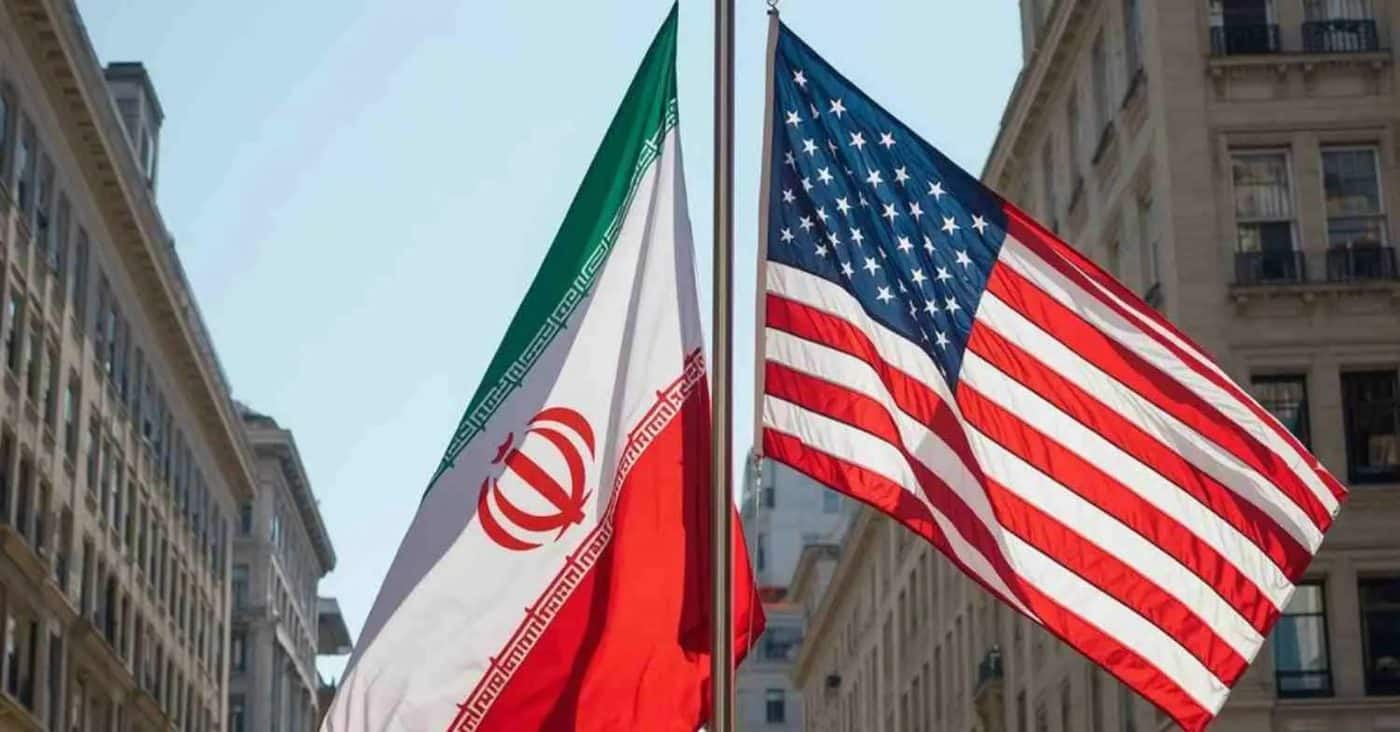
The United States and Iran have entered a delicate new phase of diplomacy after an interim agreement came into force, raising hopes that a ceasefire reached after months of conflict could develop into a broader settlement.
The memorandum, signed following high-level talks around the G7 summit in France, gives Washington and Tehran 60 days to negotiate a final deal. It aims to prevent a return to open hostilities, restore commercial shipping through the Strait of Hormuz, and establish a framework for sanctions relief, nuclear restrictions, and economic reconstruction.
The reopening of the Strait of Hormuz is among the most urgent parts of the agreement. The waterway is a critical route for global oil and gas shipments, and its closure had unsettled energy markets and increased pressure on governments already dealing with supply concerns.
Under the memorandum, Iran is expected to help restore safe passage for commercial vessels without charging transit fees, although de-mining and the removal of military obstacles could affect how quickly normal traffic resumes.
In return, the U.S. is expected to begin easing its naval blockade on Iranian ports, with the process set to unfold in stages. Wider changes to the American military presence near Iran would depend on progress towards a final agreement.
The deal also offers Tehran the prospect of major economic relief. It outlines plans for a reconstruction and development package worth at least $300 billion, supported by regional partners and enabled through U.S. licences, waivers, and permissions.
Washington has stressed that the arrangement does not require direct American payments to Iran. Sanctions relief, access to frozen assets, and certain oil and banking permissions are expected to be tied to Iranian compliance.
The nuclear issue remains the most difficult part of the talks. Iran has committed not to obtain a nuclear weapon, while its existing enriched uranium stockpile is expected to be handled under international supervision. The exact mechanism has not been finalised, but downblending has been identified as a minimum requirement.
The memorandum also calls on both sides to avoid threats, respect sovereignty, and end hostile actions across several fronts, including Lebanon. However, monitoring arrangements, sanctions sequencing, and regional security guarantees remain unresolved. A final settlement would still need approval through a binding United Nations Security Council resolution.