

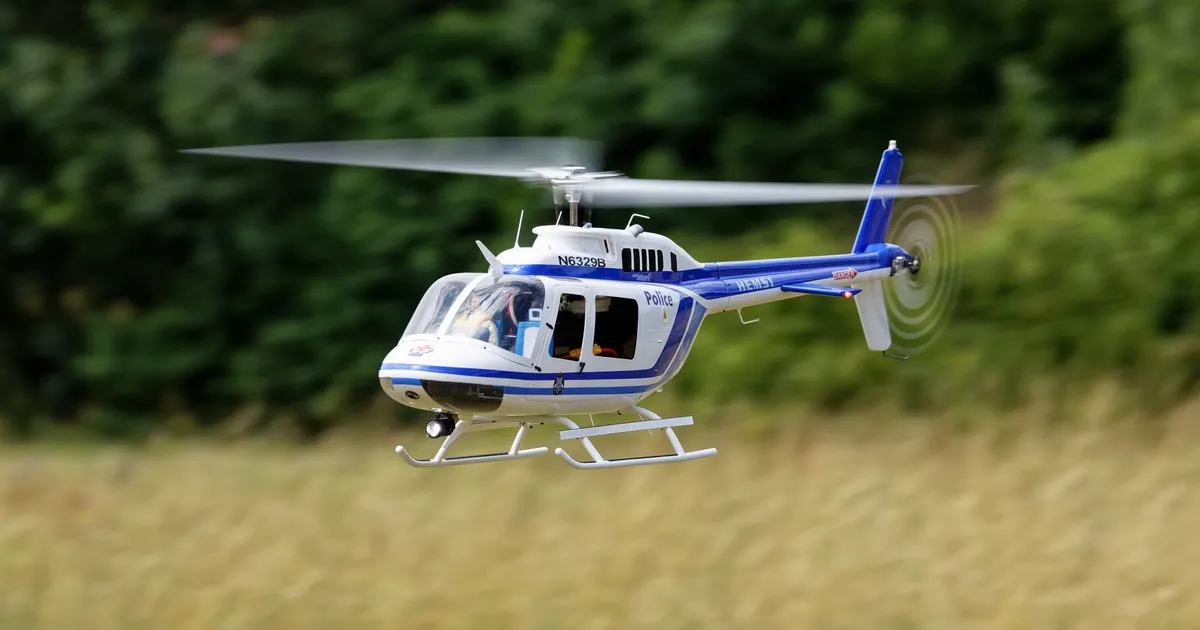
When a girl was trapped on a cliff at Hahei in January 2025, air ambulance helicopters sat on the ground while a specialist rescue team drove from Hamilton. Police, believing the girl had already died, refused to approve the helicopter deployment. By the time the lines crew arrived, commercial choppers could not fly because it was dark. Police later admitted they made the wrong call.
That incident was not a one-off. It was the predictable result of a system designed to fail quietly.
Nobody owns the problem
New Zealand’s emergency helicopter system operates under a 2022 agreement that makes police the sole authority for approving search-and-rescue aviation deployments. Police do not own or operate any helicopters. They simply hold the gatekeeping power. Fire and Emergency NZ (FENZ), which actually runs the technical rescues, cannot directly request an air ambulance for its own operations. Both St John and Health NZ have told FENZ it is not permitted to make those requests.
The arrangement has produced exactly the dysfunction you would expect. RNZ has identified eight rescues in the past two years that hit delays or sparked disputes between agencies. In one case, Auckland rescuers were mid-request for a helicopter to Great Barrier Island when they discovered the rules had changed underneath them.
Someone with direct experience of the system described it as ‘a bit of a mess’ and ‘fragmented.’ That is diplomatic.
FENZ pays but cannot order
The spending tells its own story. FENZ’s helicopter expenditure has more than doubled from $3.2 million in 2022-23 to over $7 million, with emergency chopper hours rising from 966 to 1,920 annually. FENZ is one of the country’s largest consumers of emergency aviation, yet it has zero authority over when those aircraft fly.
Stephen Bishop, FENZ head of aviation, has identified a critical structural gap: there is ‘no aviation common operating picture for national emergencies.’ During Cyclone Gabrielle, flight coordination teams drawn from fire, police, civil defence, and ambulance services ‘were not properly prepared and did not collaborate well enough,’ with personnel ‘having to make life/death decisions on who they rescued first’ without adequate preparation.
Bishop also warned that FENZ had known aviation was ‘high risk’ but ‘until now we have not been able to look at the training we provide our people,’ with current training described as ‘inconsistent’ and capability gaps identified across Auckland, Northland, and South Canterbury.
The trial proved the model, not the timeline
In October 2025, a five-week trial shifted deployment decisions to the Rescue Coordination Centre (RCC) at Maritime NZ. Across 30 operations in the South Island, the $100,000 trial improved response speed and accuracy. It worked.
But the RCC’s own internal communications undercut the optimism. The team told other agencies ‘we are really stretched’, and its general manager noted they do not feel ‘well set up capacity wise.’ The trial also found a need for a clear ‘SAR aviation capability lead to manage standards, training, competency and minimum equipment,’ meaning even after proving the concept, nobody has formally agreed who is in charge.
Full national rollout is estimated at two to three years, pending rewritten air ambulance agreements, aligned IT systems, and resolved funding questions.
Associate Transport Minister James Meager has said the NZ Search and Rescue Council ‘has allocated funding to allow the solution to be implemented quickly once it is identified’. Read that sentence again. The money is allocated for scoping, not building.
Why business should care about bureaucratic turf wars
The broader SAR system is not small. The 2022-23 NZSAR annual report recorded 3,469 incidents, the busiest year on record, with 137 lives saved and 744 people rescued. Total government investment was $53.6 million, returning a 34:1 benefit-to-cost ratio by averting $1.822 billion in social costs. A 2023 government review found government funding covered only about 26 percent of total costs, with the rest carried by volunteers and cross-subsidised agency baselines.
Every dollar of delay or dysfunction in this system carries outsized downstream costs. Rural businesses, remote infrastructure operators, and tourism companies in areas where helicopter response is the primary emergency option are exposed to a system running at two speeds depending on which agency answers the phone. Insurers pricing risk for remote or high-hazard operations are working against a baseline emergency response capacity that is structurally underfunded.
The fix exists. It has been trialled and it worked. The obstacle is not technical, it is institutional. When police told FENZ to buy its own helicopter rather than fix the coordination problem, they exposed the real issue: agencies protecting their turf while the system fails the people it exists to serve. Two to three more years of that is two to three years too many.
Sources
- RNZ: ‘Fairy dust’ gets in the way, but does not stop chopper rescues (2026-06-18)
- RNZ: Who can order a rescue chopper? Tensions rising on the front line
- RNZ: Police, Fire aviation coordination trial sped up rescue resources – but still years away from roll-out
- RNZ: ‘Clear as mud’: The changes to how emergency rescues are being done
- RNZ: Government seeks information from police on rescue helicopter deployment after complaints
- RNZ: Frustration ‘on max’ with rescues, but change on the way
- Haumaru Tangata Ki Uta Ki Tai – Recreational Safety and Search and Rescue Review Report (2023-08)
- New Zealand Search and Rescue Council Annual Report 2022-2023 (2023)