

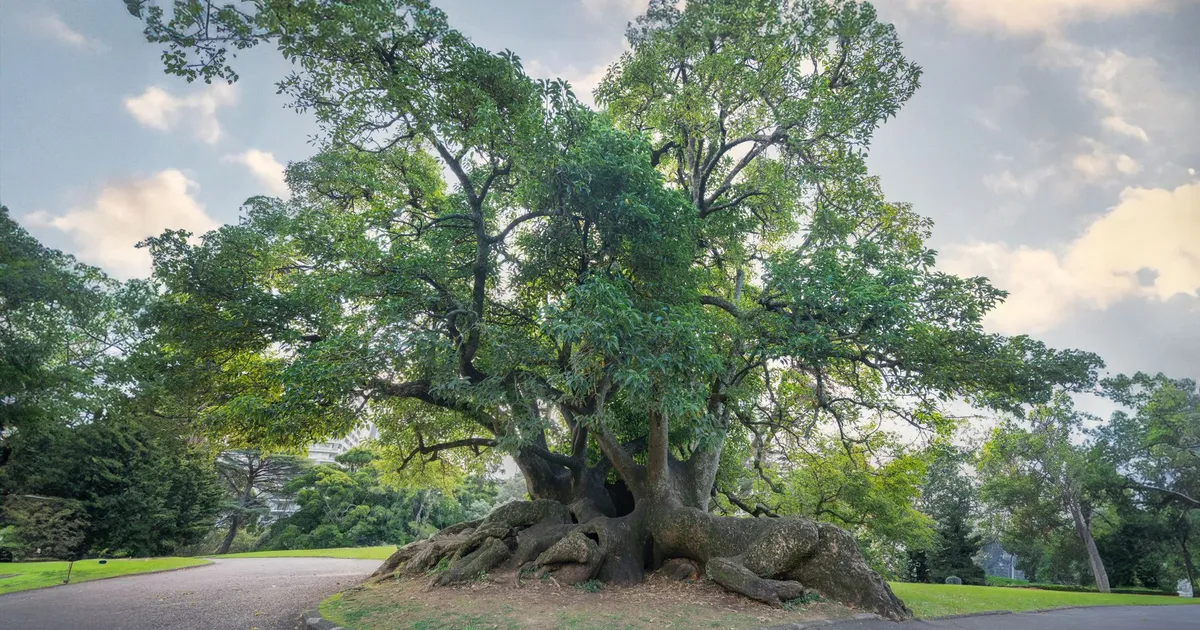
Sawdust where a scheduled tree stood
Sometime before 28 March, six to eight contractors spent two days felling a protected pōhutukawa at a Birkenhead development site and reducing it to sawdust. The tree was part of a scheduled grove under the Auckland Unitary Plan’s Schedule 10. The resource consent for the property, a double-storey four-bedroom home on one of Birkenhead’s top streets, had explicitly stated the pōhutukawa grove would be fully protected, with the dwelling set well back from the area.
Auckland Council is investigating. And whoever made the call to send those contractors in is facing a legal environment that looks nothing like the one developers operated under even two years ago.
The penalties nobody budgeted for
The Resource Management (Consenting and Other System Changes) Amendment Act 2025, which received Royal assent on 20 August 2025, rewrote the numbers. Maximum fines for individuals jumped from $300,000 to $1 million. For corporate defendants, the ceiling went from $600,000 to $10 million, a 16-fold increase.
But the number that should keep directors awake is not the fine itself. It is the fact that insurance against RMA fines is now void. As Duncan Cotterill’s analysis noted in August 2025, “any part of an existing statutory liability insurance policy which covers fines under the RMA is immediately of no effect.” Legal costs and remediation can still be insured. The fine cannot. Infringement fees also rose from September 2025, with abatement notice breaches carrying $4,000 for companies.
For a developer working on a $5 million Birkenhead property, the old maximum corporate fine of $600,000 was ugly but survivable, especially if insured. A $10 million uninsurable fine is existential.
Courts have already shown they will jail people
The Birkenhead investigation has not yet produced charges. But the enforcement history makes the direction of travel clear.
In January 2018, developer Augustine Lau was sentenced to two and a half months’ imprisonment for damaging seven protected native trees at a Waiwera property, six pōhutukawa and one tōtara. The damage occurred despite multiple warnings and an abatement notice. Judge Kellar described the damage as “brutal” and the consequences for four trees as “terminal.”
In December 2024, the Environment Court fined Renolution Limited $15,000 for excessive trimming of a protected pōhutukawa in Belmont within a Significant Ecological Area. The company’s director was also ordered to complete 100 hours of voluntary work with an environmental organisation. Auckland Council’s Team Leader Investigations David Pawson stated that “these rules exist to protect unique ecosystems and ensure long-term environmental health.”
Notice the pattern. Fines to date, ranging from $15,000 to $29,250, have sat well below the old maximums. Courts have enormous headroom to escalate under the new regime, and the Birkenhead facts, where a consent condition was explicitly violated, give them every reason to.
A contracting market makes the temptation worse
The MBIE National Construction Pipeline Report 2025 showed total construction activity fell 7.7% in 2024, with residential activity forecast to drop from $29.2 billion to $26.1 billion in 2025. Margins are thin. Timelines matter more than ever.
Meanwhile, the consent system is groaning. A 2024 Ministry for the Environment report found only 76.3% of resource consents were processed within statutory time limits in 2022/23, the lowest compliance level recorded, with median processing time blowing out from 46 to 57 working days.
When the system is slow and the market is tight, the temptation to treat consent conditions as suggestions rather than obligations grows. The Birkenhead case looks like exactly that calculation gone wrong.
The protections themselves may not last
Here is the twist. In April 2026, the NZ Notable Trees Trust warned that the government’s proposed resource management reforms could undermine the very framework that makes these prosecutions possible. Trustee Brad Cadwallader said regulatory relief provisions could expose councils to compensation or legal risk if they schedule trees for protection, creating a “chilling effect” on local authorities. “Over time, that risk could discourage councils from retaining or introducing notable tree protections,” he said.
That creates an odd position for developers. Right now, the penalties for breaching tree protections have never been higher and the insurance safety net has been cut away. Five years from now, the protections themselves might be weaker. The rational response is obvious: comply now, lobby later.
But the Birkenhead case suggests not everyone is thinking that clearly. And Auckland Council, which processes more resource consents than any other authority in the country, appears to be in no mood to let it slide.
Sources
- Scoop: Developer jailed for brutal damage to protected native trees (2018-01)
- Scoop: Heavy Fine For Unauthorised Tree Trimming On Devonport Clifftop (2024-12)
- NZ Herald: Contractors worked over two days to remove protected pōhutukawa tree in Birkenhead
- Duncan Cotterill: RMA Amendments – huge increases to fines and insurance for fines now unlawful (2025-08-20)
- Ministry for the Environment: Patterns in RMA Implementation Report 2024 (2024)
- Scoop: Concerns Raised Over Impact Of RMA Reforms On Notable Trees (2026-04)