

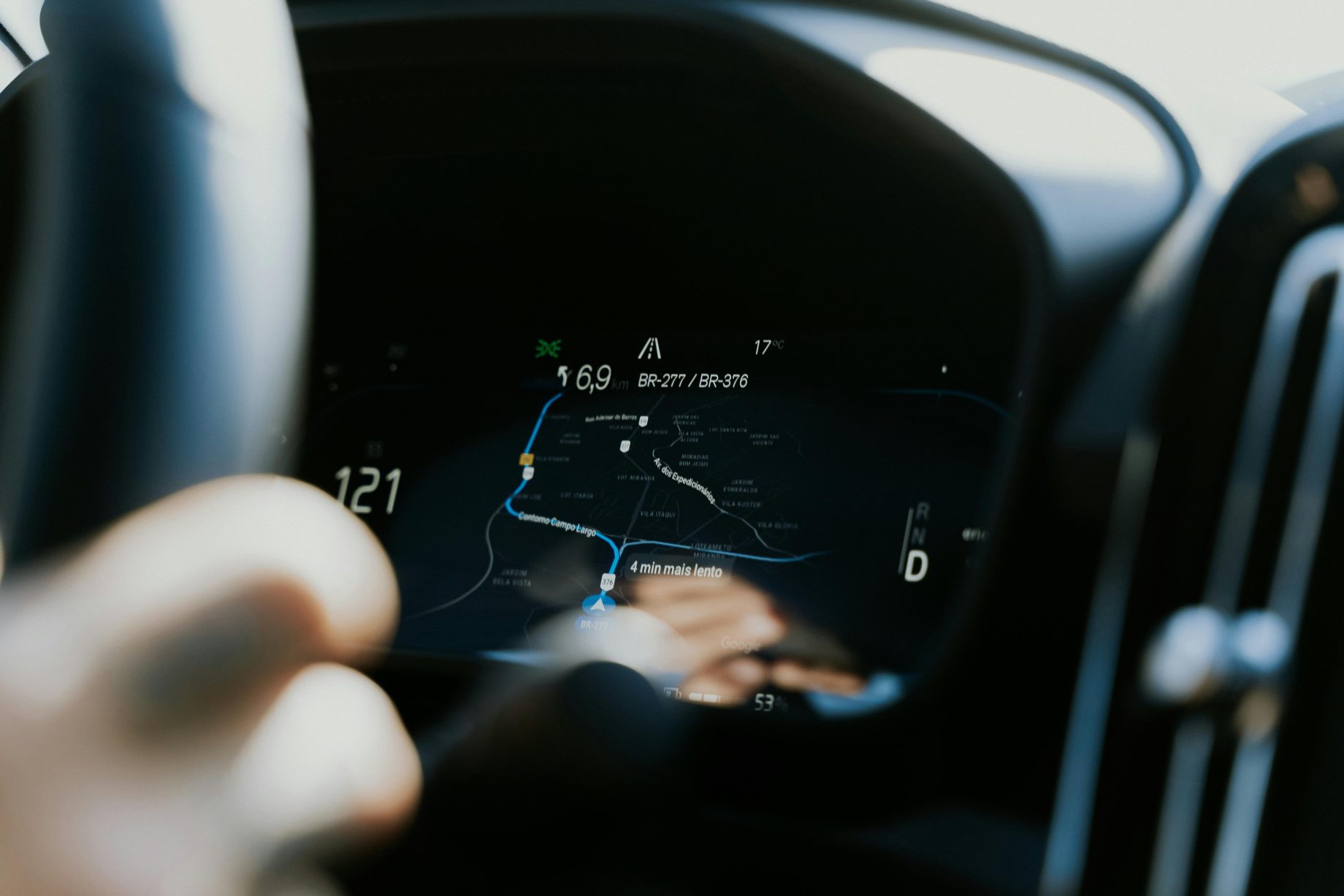
In just a few short years, the modern car has been reshaped by tech-driven redesigns, leaving many drivers wondering whether all this innovation has gone too far and stripped away the simplicity people once relied on.
Critics say the shift reflects an industry increasingly prioritising digital design trends over practical usability, with long-time drivers left adapting to systems that feel less intuitive than the ones they replace.
According to Ben Zachariah, road test editor for Car Expert, an Australian motoring site recently launched in New Zealand, what used to be second nature for many motorists is now becoming a genuine source of confusion.
He said, “Pretty much every aspect has changed.” He pointed out that the shift extends well beyond the rise of hybrids and electric vehicles and reflects a broader, industry-wide overhaul of how cars are designed and operated.
“From the driver’s seat, cars look a lot different from what they were back in 2016 and even 2020.”
He said screens, which were once limited to relatively straightforward functions like radio controls and basic climate settings, increasingly serve as the central hub for nearly all vehicle functions, handling everything from navigation to driving settings and beyond.
We’re also seeing car makers remove physical buttons—important, everyday controls like headlights and automatic wipers—shifting them instead onto touchscreen interfaces, where they are now accessed digitally rather than through traditional switches.
According to Zachariah, manufacturers do it because moving controls into digital systems frees up valuable space in the centre console.
He also suspects that cost and broader economic considerations may be playing a much larger role in the shift.
Modern vehicles, he said, contain kilometres of wiring, and even modest reductions in that complexity can translate into cost savings when scaled across large production volumes.
But his main concern isn’t focused on everyday owners who adapt to their own vehicles over time. Rather, it’s the wider group of occasional users—family members and friends borrowing a car, grandparents doing school runs, rental car drivers, and workers moving between fleet vehicles—who are left to navigate increasingly complex and inconsistent systems with little familiarity or training.
That lack of familiarity can create unnecessary stress even before the journey has begun, as drivers are forced to adjust to unfamiliar and increasingly complex vehicle controls.
The issue has prompted calls for greater standardisation, something he notes the industry has successfully navigated in the past.
In the 1950s and 1960s, manufacturers experimented with a range of unconventional and often confusing drive selectors, leaving drivers to adapt whenever they switched between vehicles.
Over time, however, the industry settled on common standards.
The familiar PRND sequence—Park, Reverse, Neutral and Drive—eventually became the universal norm, as standards were introduced to ensure all car manufacturers adopted a consistent gear selection system.