

The numbers Wellington should be reading
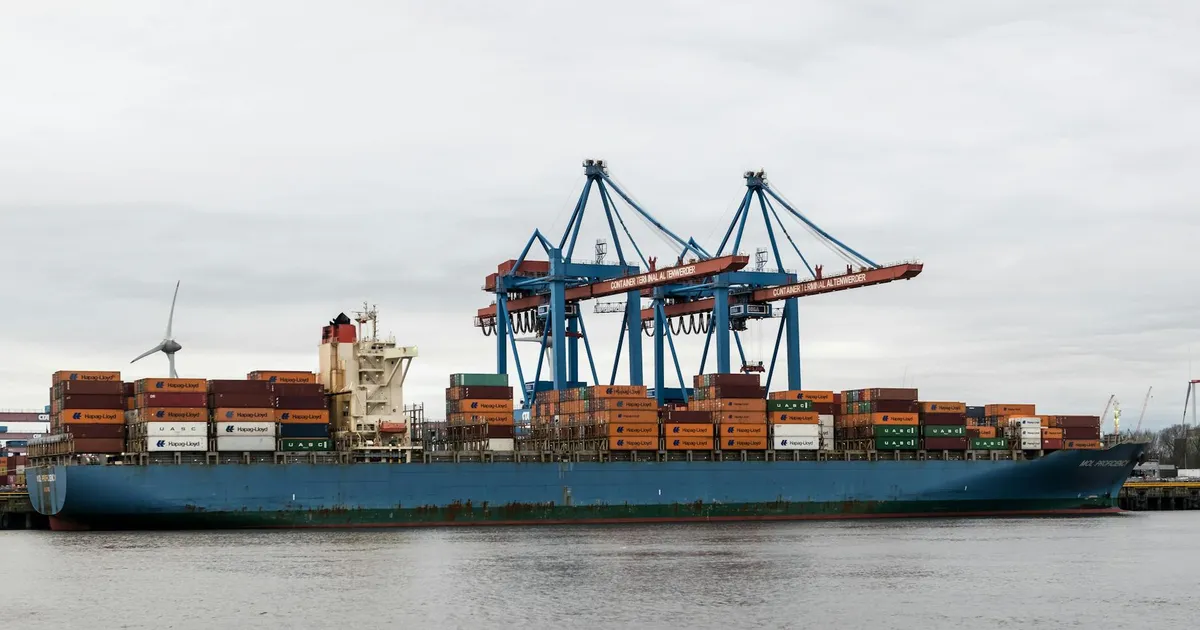
Stats NZ’s April 2026 trade data, released today, shows goods exports hit $8.6 billion, up $943 million (12%) on the same month last year. The monthly trade surplus was $1.9 billion. For the year ended April, the annual trade deficit narrowed sharply from $5.1 billion to $2.8 billion, a material improvement in New Zealand’s external position.
The headline driver was not dairy. Milk powder, butter, and cheese rose $148 million (7%) to $2.3 billion, a solid but unremarkable gain. The real engine was meat and edible offal, up $272 million (26%). Precious metals and crude oil posted eye-catching percentage gains but are volatile one-offs. Meat is structural.
On the year, annual goods exports reached $81.7 billion. The red meat sector’s contribution to that total is now impossible to dismiss as secondary.
America is buying, and that is the problem
The country-level data tells the real story. US-bound exports rose $163 million (19%) in April, with meat and edible offal accounting for $146 million of that increase. Australia was up $201 million (27%). China rose a comparatively modest $79 million (3.9%).
This tracks a pattern the Meat Industry Association documented for calendar year 2025. The US was NZ’s largest red meat market at $3.2 billion, up 17%, overtaking China at $2.5 billion. Total red meat exports hit a record $11.7 billion, a 19% increase on 2024. Meat exports crossed $10 billion for the first time in the year ended October 2025.
Beef tells the sharpest story. In 2025, beef exports fell 7% by volume to 447,610 tonnes but rose 15% in value to a record $5 billion. New Zealand is sending less and earning more, because global supply is historically tight.
A 1950s cattle herd is setting NZ farm-gate prices
The structural driver is American. The US domestic cattle herd is at levels last seen in the 1950s, according to Farmers Weekly. US beef prices have risen 16% in the past year, with ground beef hitting US$6.75 per pound, the highest on record. NZ’s lean grass-fed beef is not competing with American product. It is blended with domestic grain-fed beef to make burger patties. That complementary role means NZ exporters ride the US price cycle up.
MPI’s December 2025 SOPI report forecast meat and wool export revenue rising 7% to $13.2 billion in the year to June 2026. The April data suggests the sector is tracking at or above that forecast.
Diversification within the sector has been genuine. UK beef exports surged 378% by volume and 389% by value in 2025 after the NZ-UK FTA. Canada grew strongly with volume up 29% and value up 65%. But the US has simply replaced China as the dominant single market, and that concentration carries a different kind of risk.
The tariff whiplash is not theoretical
In 2025 alone, US tariffs on NZ beef went from 10% in April to 15% in August, then crashed to 1% in November after a Supreme Court ruling declared the higher rate illegal. Most NZ exports now face a 10% blanket tariff.
The threat is escalating, not receding. AgriHQ senior analyst Mel Croad noted that Trump indicated he would act to reduce tariff-rate quotas on beef, then reversed course less than 24 hours later. The American Sheep Industry has written to the US Trade Representative singling out Australia and NZ for increasing lamb imports by 45% over five years. NZ lamb exports to the US exceeded $600 million in 2025. A safeguard investigation into lamb imports is reportedly under consideration.
This is not the slow, predictable hostility of Beijing’s 55% tariff. This is policy by executive impulse, where the rules can change between breakfast and lunch.
What business owners should take from this
The good news is real. Red meat is generating record revenue, the trade deficit is narrowing, and farm-gate returns are rebuilding balance sheets after two brutal years. The sector is doing exactly what the country needs the tradable economy to do.
But the policy conversation has not caught up. Wellington spent years agonising over China concentration risk, and rightly so. The market has now rotated that exposure almost entirely to the United States, and the response has been closer to relief than concern. An $11.7 billion industry with its largest single market governed by presidential whim is not a comfortable position. The diversification gains into the UK and Canada are welcome but still small relative to the US dependency. For any NZ business connected to the meat supply chain, from processors to logistics to rural services, the question is not whether the next tariff shock is coming but when.
Sources
- Overseas Merchandise Trade 21 May 2026 – Mirage News / Stats NZ (2026-05-21)
- US tariff-go-round keeps exporters guessing – Farmers Weekly (2026-05-14)
- New Zealand red meat exports reached record levels during 2025 – MIA (2025)
- Situation and Outlook for Primary Industries December 2025 – MPI (2025-12)
- Meat Exports Reach $10 Billion In The Year Ended October 2025 – Scoop / Stats NZ (2025-11-24)
- NZ lamb exporters at risk of President Trump imposing new tariffs – Trade Minister – RNZ