

A decision days away
Somewhere in a DOC office, officials are finalising a recommendation that will shape the future of 180,787 hectares of Crown land for a generation. The department aims to name a preferred operator for Molesworth Station by the end of May 2026, meaning an announcement could land any day now.
Five groups applied before the March deadline to take over commercial farming operations from Pāmu (Landcorp Farming), whose lease expires 30 June. This is not a routine rollover. DOC deliberately opened a competitive allocation process in August 2025 and shifted the legal framework from the Land Act to the Conservation Act 1987. That single change tells you everything about the Crown’s priorities: ecology, recreation and heritage now formally outrank farming productivity.
DOC’s South Marlborough Operations Manager Stacey Wrenn framed the stakes plainly: “We’re looking at the next 30 years of this absolutely, incredibly and nationally important place as well as New Zealand’s largest farm.”
The economics do not add up on paper
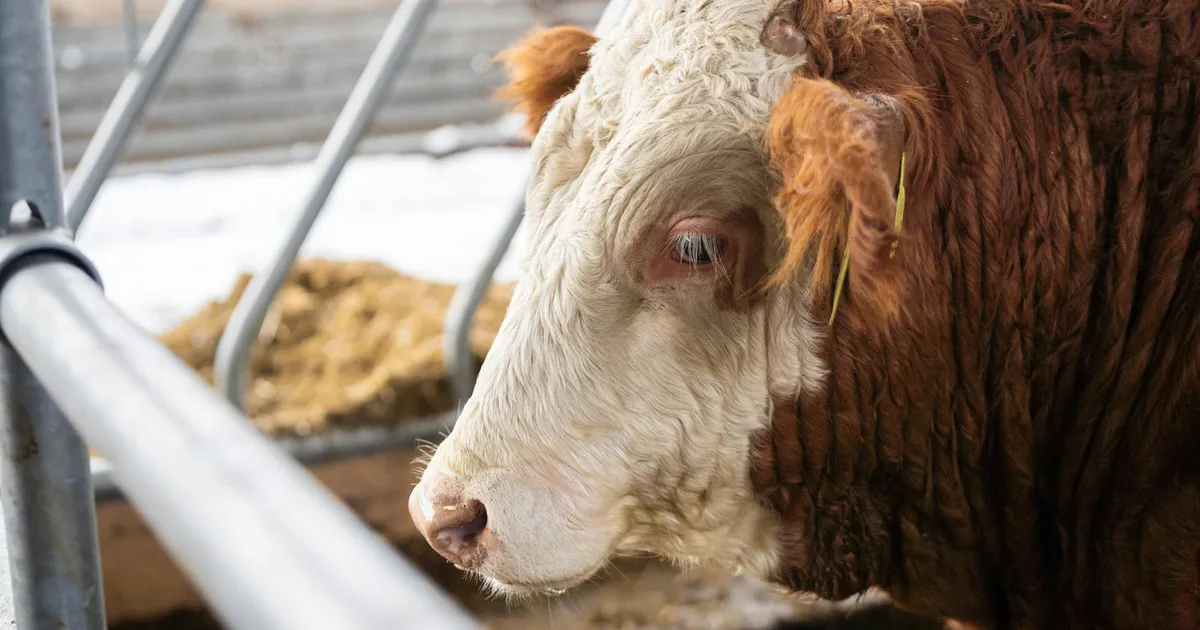
Consider what the winning bidder actually inherits. Pāmu currently runs 5,100 cattle against a stock limit of 6,500, well below the 10,000 head the station has historically carried. There is headroom to scale, but that headroom exists within a Conservation Act framework that explicitly prioritises non-commercial values.
Then there is the wilding pine bill. Molesworth spends $2.2 million a year on pine control, a cost the incoming operator absorbs. The station hosts 620 plant species, one-fifth of which are threatened or at risk, along with braided rivers, predator-free lakes with native fish, and important bird habitat. These are legally protected values, not optional extras.
And the restrictions are severe. Exotic forestry, deer farming, game hunting and safari parks are all banned. The one obvious diversification play, tourism, sits in a separate concession process that DOC controls. The farming lessee does not get that revenue stream.
So the operator pays the Crown for the lease, funds conservation outcomes worth millions annually, and watches someone else collect the tourism dollars. For up to 30 years.
Two known bidders, three unknowns
Only two of the five applicants have gone public. Pāmu, the incumbent, confirmed it “continues to engage closely with the Department of Conservation” through the process. The sale of cattle at changeover, including herd valuation and ownership, remains a live commercial question.
Former station manager Jim Ward, who ran Molesworth for 24 years before resigning in 2025 reportedly over frustration with wilding pine inaction, has lodged a not-for-profit bid under the banner “Station for the Nation”. His pitch centres on heritage status and “ensuring accessibility for all”. The insider knowledge is genuine. The question is whether a not-for-profit structure can absorb $2.2 million in annual weed control without Crown subsidy.
The other three bidders remain unknown. Given the constraints, serious contenders are likely established high-country operations or iwi-linked entities with both farming credibility and conservation standing. The land holds deep significance for Ngāi Tahu, Ngāti Kurī, Te Rūnanga o Toa Rangatira and Rangitāne o Wairau, all of whom hold formal advisory roles.
The governance risk nobody is talking about
Federated Mountain Clubs has flagged a problem that deserves far more attention. In April, FMC pointed out that a new Molesworth Management Plan has not yet been approved, and warned that a 30-year concession granted before the plan is finalised could end up being “a poor fit for the reserve’s future management, or that a future plan could end up being shaped around the concession rather than the other way around.”
This is a genuine governance risk. An operator could sign a multi-decade deal and then discover the management plan, written after their concession is granted, imposes new constraints on how they farm. Or the plan gets written around the operator’s commercial interests, which defeats the purpose of the Conservation Act framework entirely.
FMC also noted that the current arrangement has “enabled spatial and temporal exclusions from parts of Molesworth that have caused growing public concern”. The station currently has 26 concessions for guided activities and about 60km of road open between October and Easter. Farmers Weekly reported that the ability to offer increased public access could be a formal assessment criterion.
A subsidy dressed as a commercial arrangement
The central question for any business-minded observer is whether the Crown has priced this correctly. It is offloading millions in annual conservation costs onto a private operator, retaining the tourism upside in a separate process, and imposing a legal framework that explicitly subordinates commercial returns. If the lease fee does not reflect these constraints, the arrangement is effectively a conservation subsidy extracted from the farming lessee.
That matters beyond Molesworth. How New Zealand structures public-private arrangements on conservation estate sets a precedent for every high-country lease, every recreation reserve concession, and every iwi partnership on Crown land. Getting it wrong here means getting it wrong everywhere.
Sources
- Competitive allocation process applications closed for NZ’s largest farm (2026-03-23)
- Molesworth Station: The groups vying to take over the country’s largest farm (2026-03-23)
- Molesworth Station: The groups vying to take over the country’s largest farm (2026-03-23)
- Five applicants seek to operate NZ’s largest farm (2026-03-23)
- Competitive process for future Rangitahi/Molesworth operator (2025-08-29)
- Rangitahi/Molesworth competitive process opens (2025-12-18)
- DOC seeks new operator for iconic Molesworth station (2025-07-18)
- Molesworth lease applications open (2026-01-16)
- FMC Calls for Care in Molesworth Recreation Reserve Concession Process (2026-04-10)
- Sale of cattle at heart of Molesworth Station changeover (2026-04-13)