

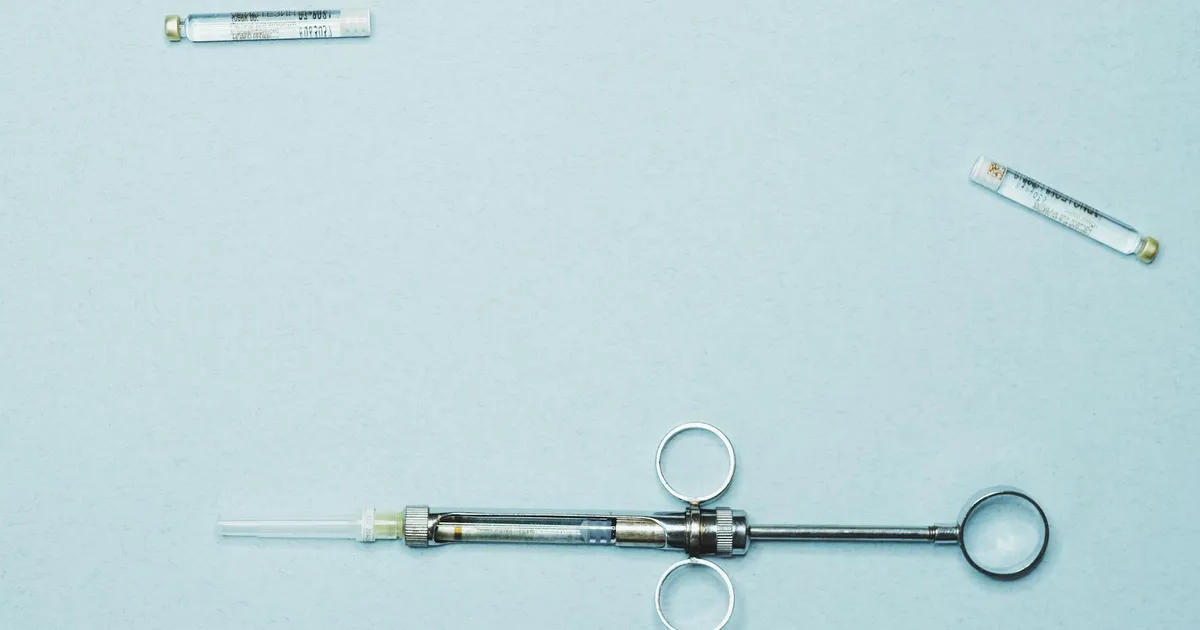
A Wellington mother found her 17-year-old son hiding injectable synthetic peptides in a chewing gum container. He had ordered them online without any age check, part of the ‘looksmaxxing’ subculture that treats unregulated compounds as cosmetic shortcuts. When she contacted the supplier, the response was bracingly honest: he said he tries to ID everyone but can’t, and that if he did, he would be “flatlining his business.”
That quote is the entire regulatory failure in one sentence. Compliance and revenue are incompatible, and the seller chose revenue. Now add generative AI to the mix, and the last practical barrier to self-injection, knowing how to do it, has been removed entirely.
The numbers behind the grey market
This is not a fringe problem. LegitScript, which monitors online pharmaceutical compliance, published cross-platform data in December 2025 showing 308% more ads related to problematic peptides in 2024 than the year prior, and a 678% increase compared with 2022. E-commerce listings grew 276% over five years. Social media content promoting peptide sales jumped 75% in a single year.
LegitScript CEO Scott Roth said the pattern was familiar: “We’re observing peptides follow a pattern we’ve seen in past online drug booms: rapid consumer interest, uneven product quality, and sellers moving faster than the safeguards meant to protect people.”
Those figures were reported in NZ tech media by January 2026. Early 2025 data already suggested activity was on track to exceed 2024 levels. The most commonly traded products include Melanotan, BPC-157, TB-500 and GLP-1-related compounds.
AI closes the last gap
Here is where the story shifts from a health scare to a business and technology problem. Sellers provide the product. Social media provides the demand signal. Generative AI now provides the how-to.
Chatbots will generate injection protocols, dosing schedules and “stacking” guidance for combining multiple peptides. They are functioning as unlicensed prescribers, operating entirely outside any regulatory framework. Under current NZ law, an AI chatbot is not classified as a medical device. It is not a pharmacy. It is not subject to Medsafe oversight. A tool that tells a teenager how to inject BPC-157 occupies a regulatory void that nobody has claimed responsibility for filling.
As RNZ’s Checkpoint reported, sellers already use “for research purposes only” disclaimers to skirt platform rules. AI-generated advice eliminates the need for any human intermediary between purchase and injection.
Medsafe acted late and the law is still broken
Medsafe reclassified several peptides as prescription medicines in December 2025, making importation without a prescription illegal. But a June 2025 submission to the Medicines Classification Committee revealed how toothless enforcement was before that point. Between April and May 2025, 56 parcels were intercepted at the border containing peptides or SARMs, but Medsafe could not seize unscheduled substances under the Medicines Act 1981. It could only release them with a warning letter.
The submission stated plainly: “This is posing a risk to health, as the product’s quality, efficacy and interactions with other medicines is unknown.”
The Therapeutic Products Act 2023, designed to modernise that 1981 framework, faced a repeal bill due to industry concerns about compliance costs. New Zealand is still regulating injectable drugs with legislation considered outdated since the 1990s. Peptides first came to Medsafe’s attention in 2013 following an Australian investigation into peptide use in professional sport. Over a decade later, the market has moved from elite doping to teenage bedrooms.
The health risk is not theoretical
Dr David Gerrard, emeritus professor of sports medicine at the University of Otago, told 1News there are “no human studies that have been carried out to ensure us that these are safe for long-term use” and warned of “irreversible damage to those organs.” Drug Foundation executive director Sarah Helm said she was “really concerned about the fact that there could be anything in them, including heavy metals and moulds.”
Platform self-regulation has visibly failed
Every major platform nominally prohibits the sale of unapproved medicines. Yet peptide ads grew 308% in a single year. The “Not for Human Consumption” disclaimer is the primary evasion tactic, providing plausible deniability while the surrounding marketing context makes the intended use obvious. LegitScript noted that purchases can be completed with no screening or verification of professional status.
For NZ businesses operating in digital commerce, health tech or AI services, this is a live case study in what happens when platform policies exist on paper but collapse under commercial pressure. The December reclassification made the product side illegal. The AI advice layer, the part that turns a vial into a usable drug, remains entirely unregulated. Until someone decides whose problem that is, the infrastructure for a grey-market injectable drug economy will keep running uninterrupted.
Sources
- 1News: Warning over young Kiwi men using ‘looksmaxxing’ synthetic peptides (2026-04-24)
- LegitScript: Problematic Peptides Market – Multi-Year Surge Across Social Media, E-Commerce, and Advertisements (2025-12-09)
- IT Brief NZ: Unapproved peptide ads surge across online platforms (2026-01-10)
- RNZ Checkpoint: Social media driving trend of injectable peptides (2026-02-05)
- Medsafe: Submission to the Medicines Classification Committee – Peptides (2025-06)
- Ministry of Health: Regulatory Impact Statement – Medicines regulation (2024-08-29)