

22 metres that cost $50,000 in credibility
A mobile speed camera on State Highway 16 in Kumeū, Auckland, was positioned 178 metres from a speed limit change, 22 metres short of the required 200-metre minimum. The breach went undetected for over a year, with fines issued to westbound motorists between January 2024 and April 2025. In May 2025, police confirmed they were reversing up to 650 tickets worth approximately $50,000.
Then-Superintendent Steve Greally said in May 2025 that police had “begun a review of all the deployments at this site, with the intention of reversing any affected infringement notices”. Road safety commentator Clive Matthew-Wilson was blunter: “It’s incredibly important that when there are police enforcing speed laws, they obey the rules for that enforcement. Otherwise, the police will alienate the public, and the public will lose faith in the police.”
The Kumeū incident was not isolated. In a separate case, NZTA reversed 279 fines issued on Rata Street in Lower Hutt after its own signage near a school created confusion about when a 30km/h limit applied. Two enforcement actions undone because the enforcer could not meet its own published standards. That is not a glitch. It is a pattern.
The warning that sat in a drawer
The most damaging detail is not the misplaced camera. It is the consultant report that predicted something like it would happen.
As the NZ Herald reported in May 2025, NZTA’s own consultants flagged critical compliance gaps back in 2022. Their assessment was damning: “In general, it became apparent that there is little or no national oversight of the camera systems.” They warned that without adequate governance, the agency risked “not being in a position to demonstrate adequate stewardship of the safety camera system.”
Four risks were rated red, meaning “almost certain to occur” with “severe” impacts, primarily around personal data. A further 11 risks were rated high. The consultants explicitly stressed that the agency’s reputation depended on getting this right.
Three years later, a camera was placed 22 metres too close to a speed sign. The warning was documented, filed, and insufficiently acted upon.
The programme is growing faster than the governance
None of this means speed cameras are bad policy. NZTA’s own data shows strong results at some fixed camera sites, with compliance at Kawakawa on SH1 rising from 34% to 93% of vehicles not speeding between 2023 and 2024. The safety case is real.
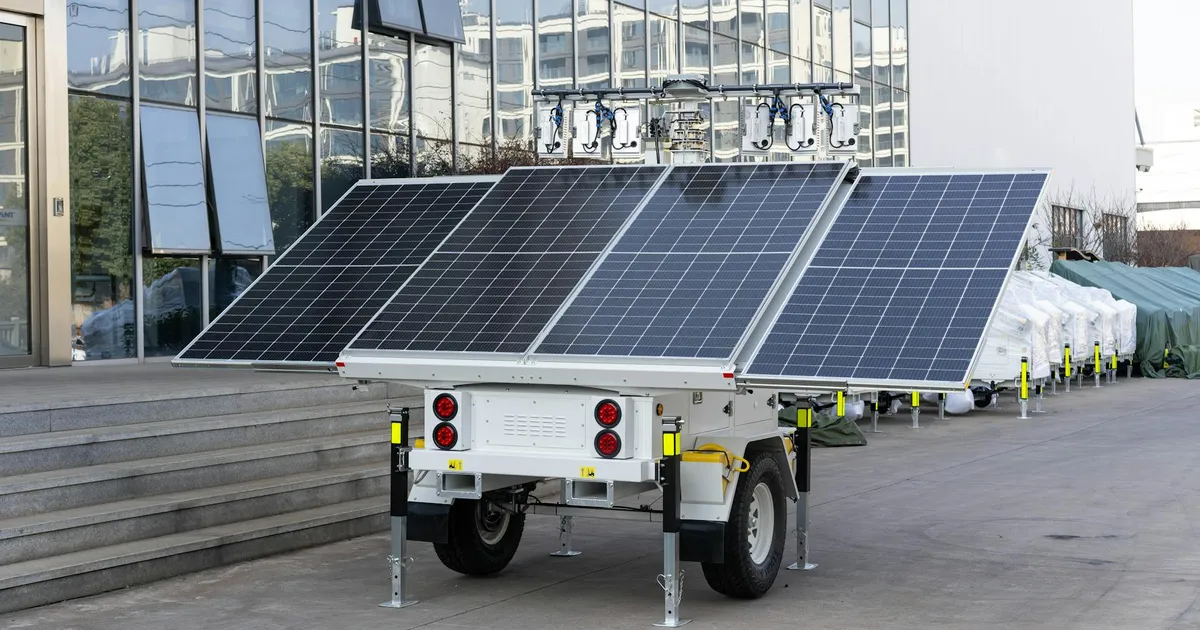
But the programme is scaling fast. Mobile speed camera trailers detected 73,170 verified speeding offences in their first six months of operation from September 2025 to March 2026, generating $4.65 million in fines. NZTA head of driving regulation Chris Rodley describes the approach as “general deterrence”, with cameras deployed “nationwide anytime, anywhere.”
The published operational rules are detailed: cameras must sit at least 250 metres from the end of a passing lane, 200 metres from a speed limit decrease, and trailer deployments require surrounding vehicles to be kept 13 metres clear. These are not suggestions. They are the standards against which every single deployment can be legally challenged.
NZTA’s 2024/25 annual report claimed 79% of regulatory measures met or exceeded targets and 95% of regulatory decisions met quality standards. Those headline numbers look less reassuring when deployment-level compliance is producing reversed fines and public apologies.
What business leaders should actually take from this
The NZTA story is not really a traffic story. It is a compliance story, and the lesson applies to any organisation that publishes operational standards, which is to say every organisation worth the name.
When you breach your own published rules, three costs compound. The direct financial cost is the smallest: $50,000 in reversed fines is a rounding error for a government agency. The reputational cost is larger: every reversed ticket is a news story that erodes public trust in the entire camera programme. The legal exposure is largest of all: every motorist fined from a non-compliant site now has grounds to challenge.
But the real lesson is about what happens between the warning and the failure. NZTA’s consultants told the agency in 2022 that governance gaps were almost certain to produce severe consequences. The Kumeū breach arrived on schedule. For any business leader sitting on an unresolved audit finding, a risk register with items marked red, or a compliance gap that has not been closed because it has not yet caused a problem, the message is straightforward. A documented risk that is not resolved is not a theoretical concern. It is a liability with a countdown.
Sources
- 1 News: Speeding fines of $50,000 to be paid back after camera error (2025-05-09)
- 1 News: Mobile speed cameras – rules on where they can park up revealed (2026-03-24)
- 1 News: How much mobile speed camera trailers made in just six months (2026-04-04)
- RNZ: Speed limit confusion – NZTA reverses hundreds of fines
- NZ Herald: NZTA defends oversight of powerful highway speed camera system (2025-05-15)
- NZTA: Safety camera locations and status (2025-04-14)
- NZTA Annual Report 2024-25 (2025-11-01)