

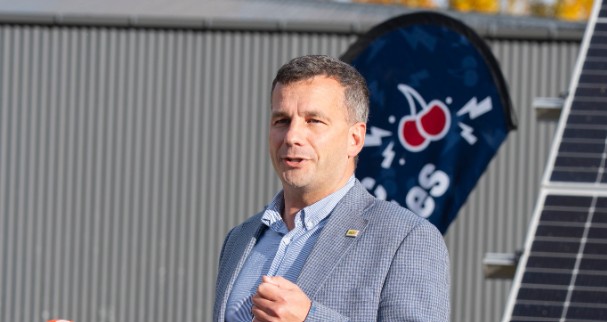
Regulation Minister David Seymour has ordered a review of the solar panel installation process, saying he wants to make New Zealand the easiest place in the world to switch to solar power.
“Solar installation in New Zealand is a red tape nightmare. Just getting it approved can take months,” Seymour said.
He said only around 3%–4% of New Zealand households have solar panels, even though they can save about $1,000 a year on average on electricity bills.
“There are up to eight layers of sign-off before small-scale solar systems can be switched on. This requires up to five separate site visits from four separate entities.”
“For example, during installation the installer often cannot turn off or reconnect the fuse, update the meter, or carry out the required independent electrical inspection. These tasks must be done by other entities, requiring additional site visits.”
Seymour said approvals for similar low-risk solar installations in parts of Australia can be granted in as little as 24 hours.
“In Victoria, Australia, there is one layer of sign-off for small-scale solar installation. The whole solar installation process is managed and carried out by the chosen installer. Standard installations are inspected by a licensed electricity inspector without a site visit. Photos clearly show compliance. A site visit is only carried out in person if something unusual or non-compliant is identified in the photos.”
He made the announcement on Thursday at Electric Cherries near Cromwell, a site believed to be the world’s first fully electric farm, powered largely by solar energy.
Electric Cherries owner Mike Casey, who also heads Rewiring Aotearoa, said regulations need to keep up with technology. He welcomed the government’s move to explore ways to make that happen.
Casey said Rewiring Aotearoa is calling for consistent national rules across electricity line companies for solar connections, along with legal recognition of plug-in solar systems, which are already growing in popularity overseas.
Meanwhile, Victoria University of Wellington Professor and Chair of Sustainable Energy Systems Alan Brent said the main barrier for most households considering solar is the upfront cost, not how long installation takes.
“It is quite a significant investment up front. And it’s quite complicated for people to think about what the long-term savings will be.”
Brent said the most effective way for officials to encourage solar uptake would be through a public information campaign clearly showing households what they would spend upfront and how much they could save over time.
He added that government support to help households cover the upfront costs could also make a major difference in boosting solar adoption.
“Something similar to what we have with industry, like the [Government Investment in Decarbonising Industry] fund – that might be an option… a long-term loan that’s underwritten by the government,” he said.