

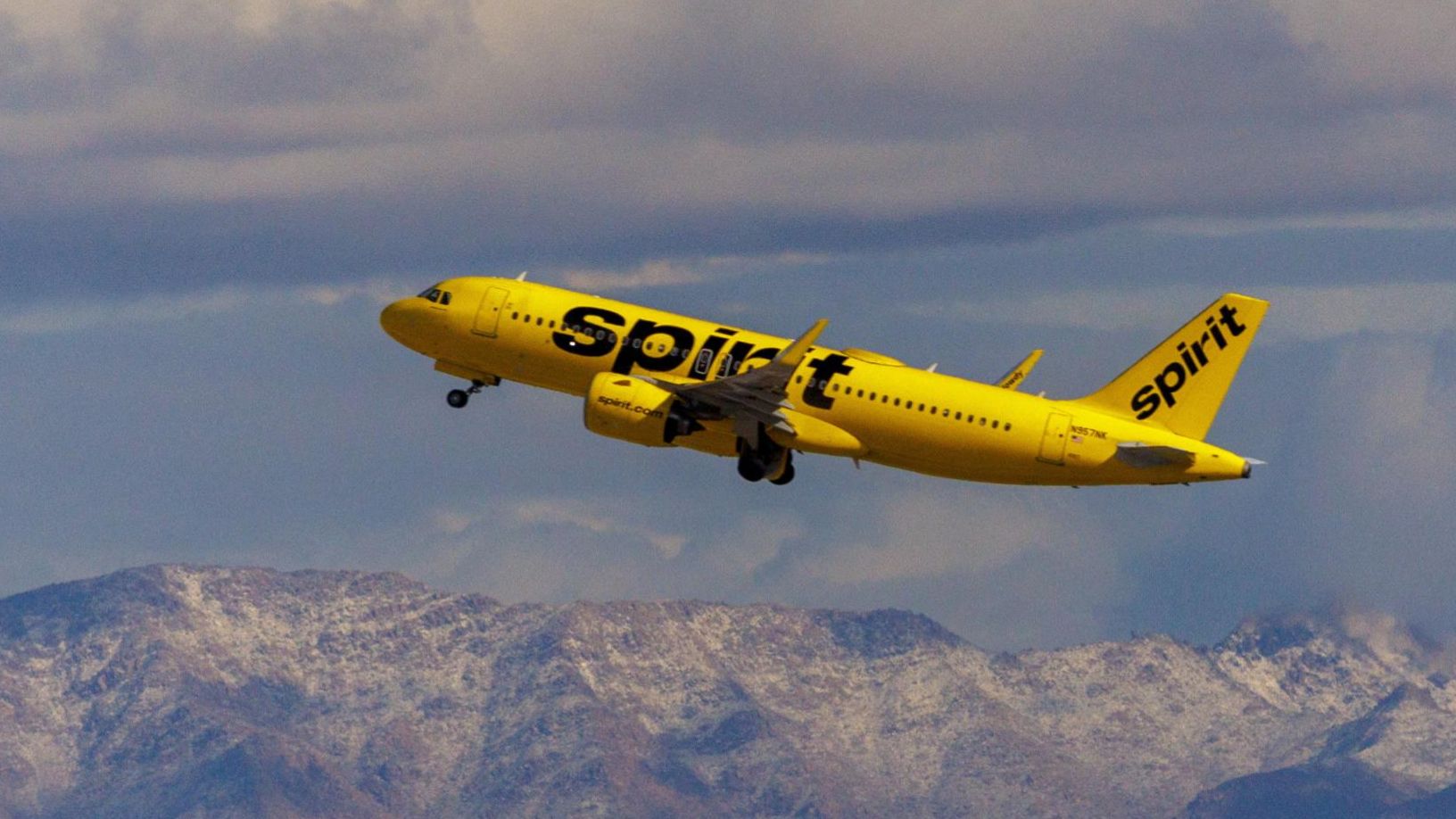
Spirit Airlines, the U.S. budget carrier known for its bright yellow planes and rock-bottom fares, has ceased operations after last-ditch talks for a government bailout collapsed. The airline halted flights before dawn on Saturday when negotiations with bondholders over a Trump administration rescue package broke down.
This brings to an end a turbulent chapter for the South Florida-based company, which pioneered affordable air travel but struggled with a failed JetBlue merger, rising competition, changing customer preferences and surging costs, particularly jet fuel that doubled in some markets following U.S. and Israeli strikes on Iran in late February.
The Spirit app displayed a blunt message to users: “We regret to inform you that all Spirit Airlines flights have been canceled, effective immediately.” The carrier, in its second bankruptcy since late 2024, confirmed 17,000 direct and indirect jobs lost. Its lawyer warned a New York court on 23 April that cash reserves “are not going to last for very much longer,” with automatic refunds promised for credit and debit card bookings.
Spirit’s final flight, NK1833 from Detroit to Dallas Fort Worth, touched down shortly after midnight local time after carrying more than 50,000 passengers in the prior day, according to company data and Flightradar24.
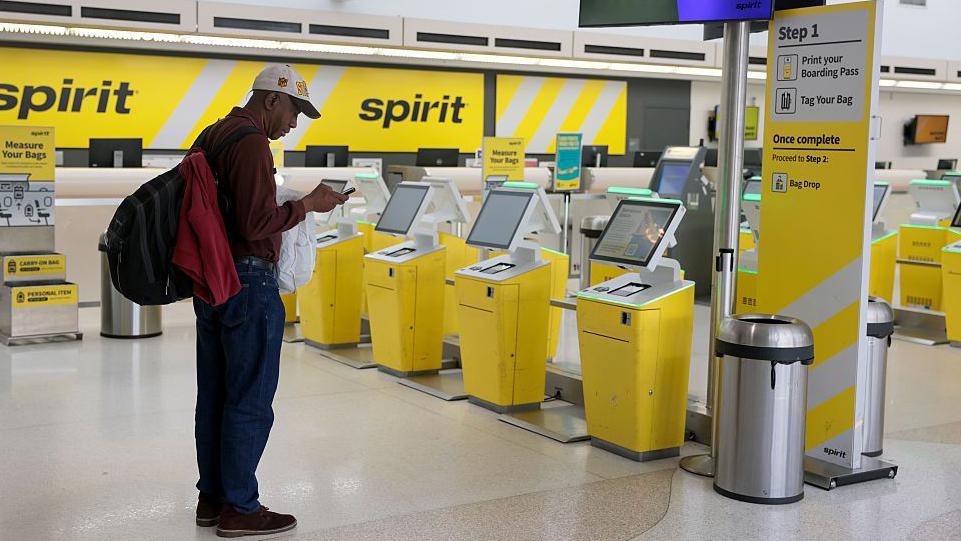
Chief executive Dave Davis said, “For more than 30 years, Spirit Airlines has played a pioneering role in making travel more accessible and bringing people together while driving affordability across the industry.” He thanked the administration, “in particular” Commerce Secretary Howard Lutnick.
Talks for a $500 million loan, potentially giving the government 90% ownership, faltered amid opposition. Transportation Secretary Sean Duffy told Reuters, “What we don’t want to do is put good money after bad, and there’s been a lot of money thrown at Spirit, and they haven’t found their way into profitability. And so would we just forestall the inevitable and then own that?”
President Trump described a “final” offer but blamed lenders. “I would say we’re driving a tough deal, but it’s one of those things we will do it, or we won’t,” he said. “We come first.”
Rivals including Southwest, United, American, JetBlue, and Frontier offered capped rescue fares for stranded passengers. Cirium data showed Spirit’s February market share at 3.9%, down from 5.1% a year ago.
Analysts predict modest fare increases but rapid capacity replacement on affected routes.