

The signal is louder than usual
Meteorologists are not hedging. Earth Sciences New Zealand this week described the developing El Niño as “formidable”, with the NZ Herald reporting a greater than 60% probability it will be classified as strong by spring. When NOAA and domestic forecasts are combined, the overall 2026 likelihood sits above 90%.
What makes this event unusual is not just its projected strength but its speed. Jon Tunster, meteorologist at Earth Sciences New Zealand, told the NZ Herald’s Front Page podcast that “there aren’t a huge number of what we would call historical analogues for a switch that occurs in the same year, and certainly not for one that occurs as quickly as this”. The closest comparisons are 1976 and 2023-24, both imperfect.
Underpinning the confidence is physical data that would alarm anyone who reads it. Subsurface temperatures in the central equatorial Pacific are running 3-5°C above average at depths of 100-200 metres, a pattern Earth Sciences NZ says paralleled the early stages of the severe 1997 event. NIWA’s March 2026 seasonal outlook confirmed +4°C subsurface anomalies dominating the central and eastern equatorial Pacific at 150m depth.
Dry where the money is
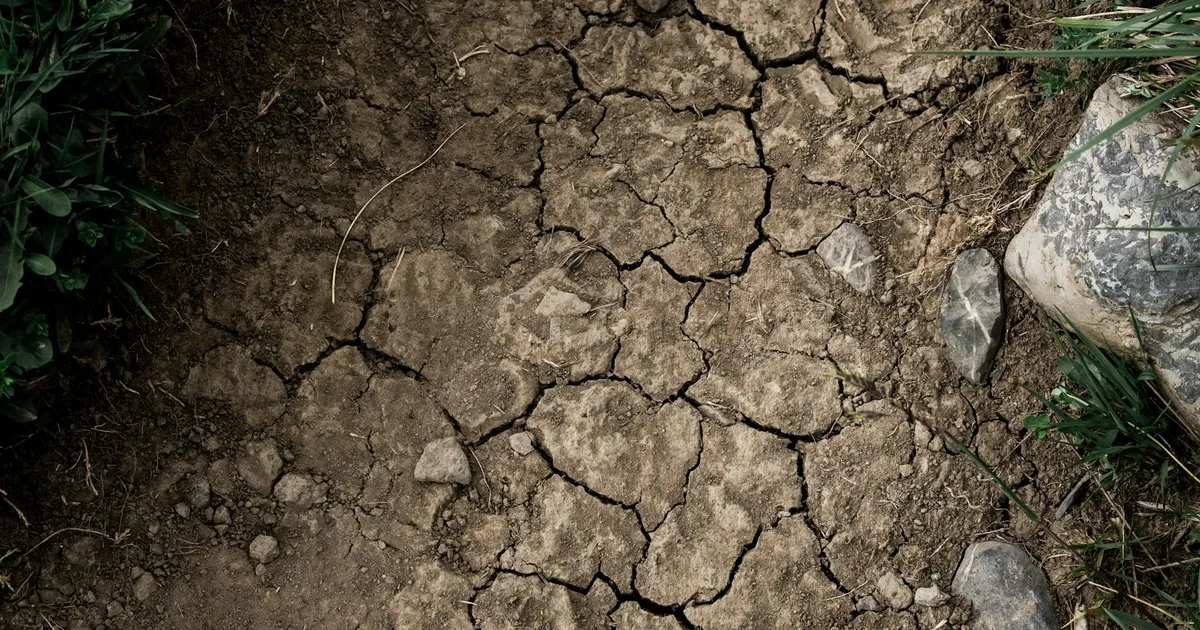
El Niño’s signature for New Zealand is a geographic split: drier in the north and east, wetter in Southland and the West Coast. Tunster told RNZ this could bring “increased rainfall to Southland, parts of Otago, and western facing areas, primarily of the South Island, but reduced rainfall for much of the remainder of the country”.
The problem is that “much of the remainder” is where the economic activity sits. Marlborough, Hawke’s Bay, Canterbury, and Northland are the most exposed regions, precisely the zones where dryland farming, horticulture, and wine production concentrate.
The balance-sheet damage is quantifiable
In 2015, the Reserve Bank of New Zealand published research finding that a strong El Niño could subtract 0.2 to 0.5 percent from GDP. Treasury’s own modelling from the same year, based on the 10 most severe droughts since 1970, found a 70% probability of drought given El Niño conditions. On dairy, Treasury found a 3.0-5.0% milk production decline is a more realistic El Niño scenario than the industry’s own estimates, with potential for a 7.0-10.0% drop in drought-affected years.
Those are 2015 figures, but the underlying physics have not changed. What has changed is the background temperature. Jim Salinger, Adjunct Research Fellow at Te Herenga Waka Victoria University of Wellington, noted in March 2026 that NZ’s warming rate has roughly doubled since 1998, from about 0.14°C per decade to around 0.27°C per decade. Drought on top of a warmer baseline hits harder.
Three decades of mild winters built a false confidence
The last genuinely cold winter was 1997. Every winter since has been at or above average. An entire generation of business owners has operated without experiencing what a strong El Niño actually does to supply chains, energy costs, and insurance premiums.
The market is already moving. Insurers are pricing 2026-27 renewals with increased wind and flood risk in the south and west, and drought losses in the north and east factored in. The energy sector faces spot price volatility from uneven rainfall distribution across hydro catchments. Construction firms building timelines around another mild winter may need to recalculate.
The question that matters
A 60-90% probability of a strong El Niño, combined with a 70% historical probability of drought given El Niño conditions, is a risk profile that would trigger action in any other domain. If your financial model had a 60-90% probability of a significant revenue hit, you would hedge. If your supply chain had those odds of disruption, you would diversify.
Tunster’s bottom line is plain: “Given the projected strength of this event, it will be very surprising if New Zealand doesn’t feel some impacts.”
The warning is early. The data is solid. The exposed sectors are identifiable. What remains is whether NZ businesses treat weather risk with the same rigour they apply to interest rates, exchange rates, and credit risk. For most, the honest answer is still no.
Sources
- RNZ: ‘Significant’ El Niño event could impact New Zealand’s winter (2026-04-29)
- RNZ: What the coming El Niño climate pattern means for NZ in a warming world (2026-03-24)
- NZ Herald: El Niño set to hit this winter with dry north-east, wet west forecast (2026-04-29)
- Earth Sciences NZ: Formidable El Niño expected to arrive this winter (2026-04-29)
- NZ Herald: ‘Formidable’ El Niño set to reshape New Zealand winter weather patterns – The Front Page (2026-04-29)
- B2B News: El Niño 2026 – 90% probability reshapes NZ business risk (2026-04-29)
- Treasury OIA Response: El Niño Effect on NZ Economy (2015-12-03)
- NIWA: Seasonal Climate Outlook March-May 2026 (2026-03-02)
- RBNZ: El Niño and its impact on the New Zealand economy (2015-07-01)