

The numbers are no longer deniable
New Zealand recorded 286 company liquidations in March 2026, making it the worst March for business failures since 2015. That followed 313 corporate failures in February, which itself matched December’s near-record levels. This is not a blip. It is a sustained liquidation cycle that has been accelerating for three years.
Centrix data shows 3,023 liquidations in the year to March 2026. Deloitte NZ’s analysis puts full-year 2025 formal insolvency appointments at 3,080, the highest in 15 years. The December 2025 quarter alone produced 932 appointments, second only to Q4 2008 during the Global Financial Crisis.
For anyone still treating this as anecdotal, the trajectory is unambiguous. In April 2024, 238 liquidations in a single month was considered a nine-year high. Two years later, that figure looks almost quaint.
Construction keeps leading the failure count
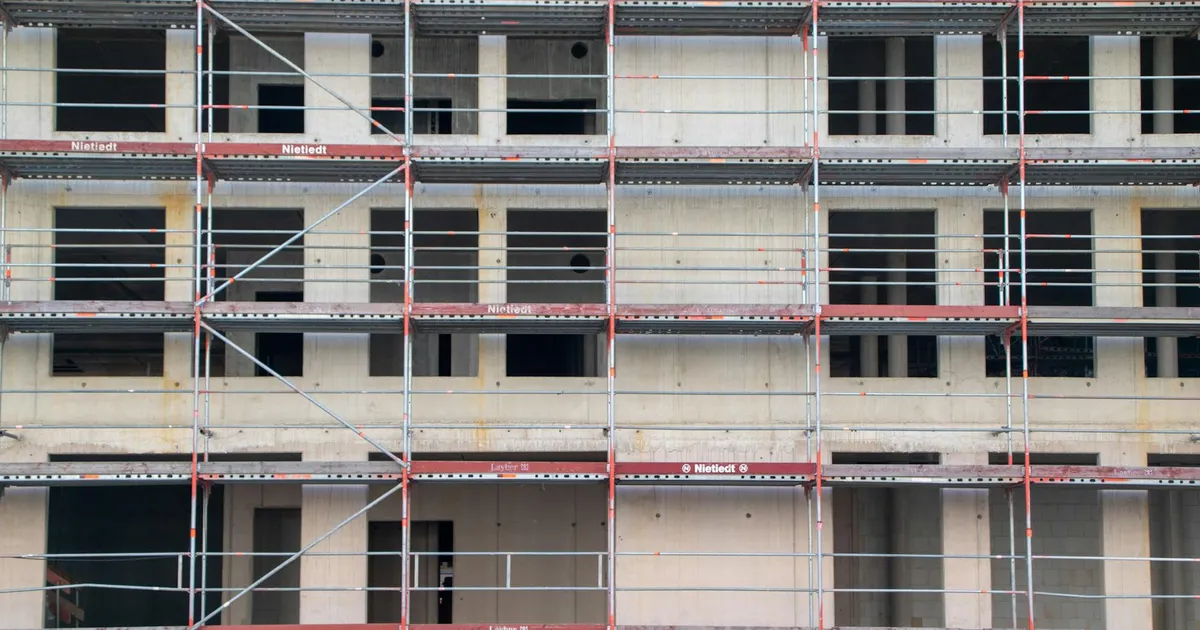
768 construction firms were liquidated in the year to March 2026, representing 0.9% of all registered construction companies. NBR reports that construction accounted for 30% of February 2026 failures. Deloitte recorded 747 formal construction appointments in 2025, a 14% year-on-year increase.
The CMS Group’s 2025 National Specifier Survey of over 1,000 industry respondents describes the mechanism plainly: ‘Rising input costs, delayed payments, prolonged consenting processes and tightening margins have reportedly combined to push many firms beyond their limits.’ Only 13% of respondents described their 2027 pipeline as strong, with nearly 60% expressing uncertainty.
The human cost is visible in individual cases. Longevity Construction, associated with Anthony Corin, was put into liquidation in April 2026, having claimed that townhouse sales could repay creditors. It is a familiar story of projects that cannot generate cash fast enough to cover accumulated liabilities.
IRD is the accelerant
Inland Revenue tax debt exceeded $9 billion as of June 2025, and IRD is the largest petitioning creditor in court-appointed insolvencies. The CMS Group survey notes that an IRD compliance crackdown ‘has accelerated the closure of marginal businesses’, with outstanding tax liabilities called in at a time when cash flow is already under pressure.
Many of these firms deferred tax obligations during COVID with implicit tolerance from IRD. The crackdown is legitimate, but the timing is brutal for businesses that survived the downturn without recovering enough cash flow to clear historical liabilities. IRD has also begun reporting business debt to credit agencies, further tightening trade credit access.
The rot is spreading beyond construction
Hospitality recorded 399 liquidations in the year to March 2026, a 49% increase year-on-year. At 1.3% of all hospitality businesses, its failure rate actually exceeds construction’s. The automotive repair sector saw 74 liquidations, up from just 27 a year earlier, nearly a tripling. Together, construction, hospitality, and property accounted for more than half of all February failures.
Lower rates will not save firms that already ran out of time
There are counter-signals. Business credit defaults are down 16% year-on-year. Consumer arrears have fallen to their lowest level since September 2023. Manufacturing liquidations are down 5%. The financial system is not in crisis.
But the financial system is not the problem. The problem is a large cohort of small and medium businesses in construction, hospitality, and services that survived the downturn on borrowed time, and that time is expiring regardless of what the OCR does. As the CMS Group survey warns, ‘The sector is operating with very limited tolerance for additional shocks.’
Deloitte is blunt: recovery will be ‘uneven and slow’, favouring larger, better-capitalised businesses. For anyone with exposure to construction or hospitality supply chains, the practical message is straightforward. Your customer base is still contracting. Credit risk in these sectors remains elevated. And consenting delays, not interest rates, are the binding constraint on the firms that might otherwise survive.
Sources
- Worst March month for liquidations in 11 years (2026-04-30)
- Liquidations climbing, as 769 construction firms hit the wall (2026-04-23)
- Anthony Corin firm Longevity Construction put into liquidation (2026-04-21)
- Insolvency trends and the uneven road to recovery (2026-03)
- Policy Movement, Money Supply Improved, So Why Is Construction Still Stuck? (2026-03-23)
- Construction sector leads way as monthly liquidations hit nine-year high (2024-04-30)