

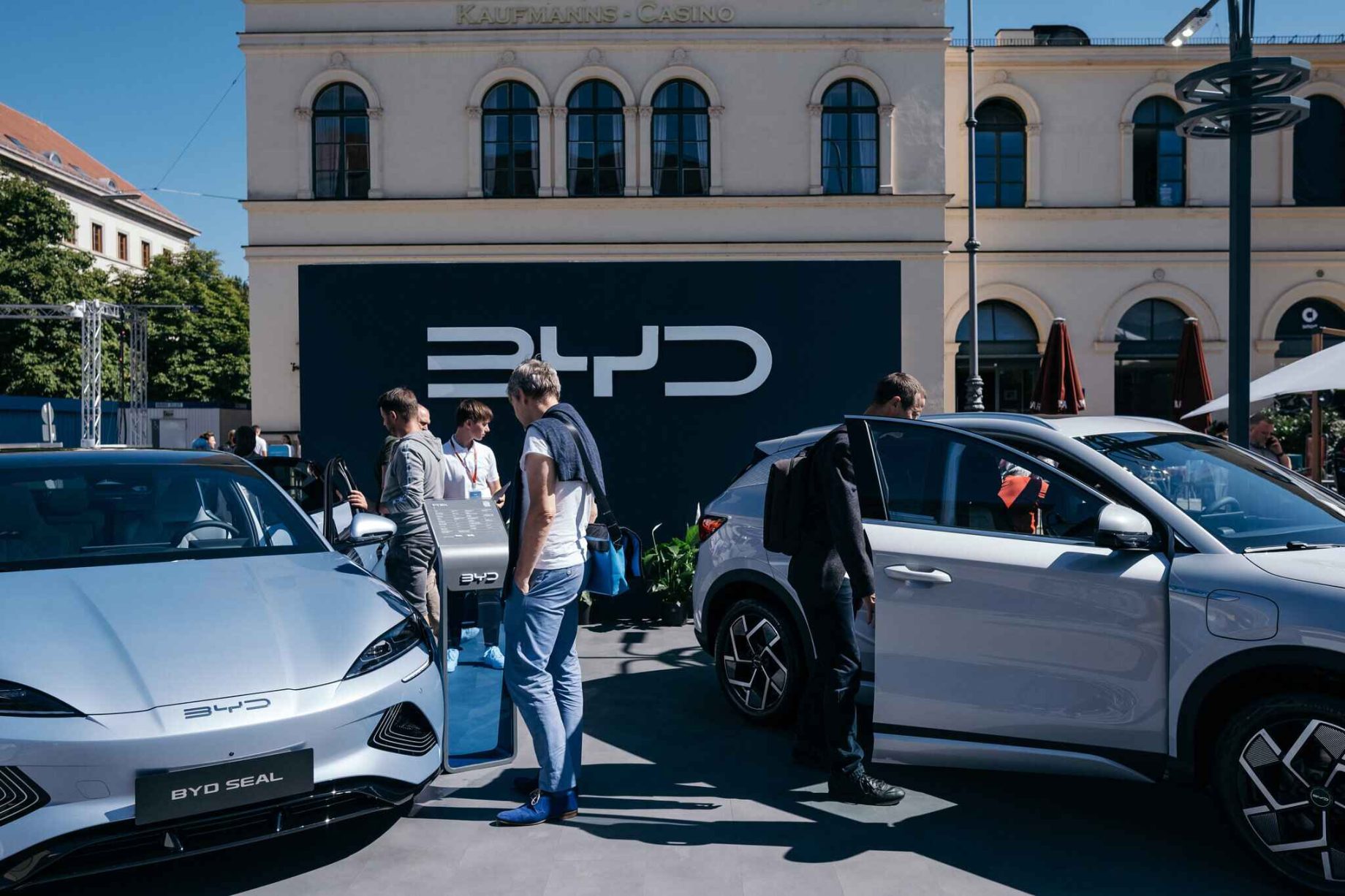
BYD, the Chinese electric vehicle giant that overtook Tesla as the world’s top producer last year, faces serious claims of forced labour practices at its new Hungarian plant. A report from the New York-based watchdog China Labor Watch (CLW), published on 14 April, details grueling conditions for thousands of Chinese migrant workers building the facility in Szeged.
Investigators spoke to 50 workers and visited the site three times since October 2025. They uncovered seven-day workweeks with shifts stretching up to 14 hours, often with only brief meal breaks and no paid overtime.
Wages were delayed for months, 20 to 30 per cent held back in Chinese accounts until contracts ended, and many workers arrived burdened by recruitment fees topping $2,000, trapping them in debt. Rested only during bad weather, the mostly Chinese labourers lived in crowded on-site dorms at below Hungary’s minimum wage, sidelining local hires.
Subcontractor AIM Construction Hungary, part of China’s Jinjiang Construction Group, allegedly coached staff to lie to inspectors about standard hours, breaching Hungary’s Labour Code caps of eight hours daily and 48 weekly. Lacking work visas and insurance, they struggled to access healthcare amid hazards, including a February crane death and 12 ambulance calls since then.
CLW shared findings with Hungarian officials in December 2025 and EU bodies. Three MEPs this month questioned the European Commission, the first such probe into a Chinese carmaker’s EU site. Hungary’s labour authorities and aliens policing unit have opened investigations.
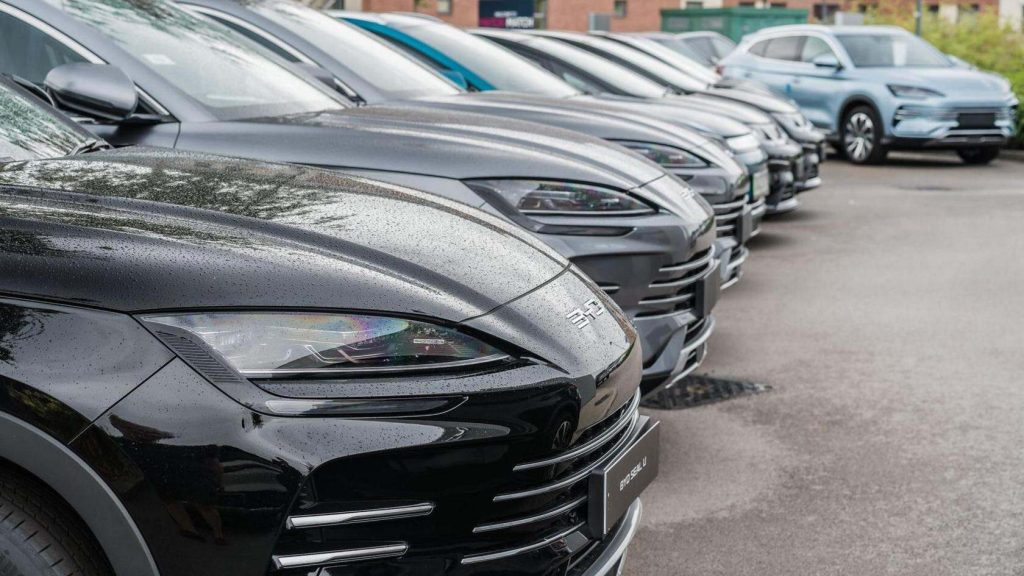
The $6 billion Szeged plant, BYD’s European HQ since chairman Wang Chuanfu’s visit last year, aims for 300,000 Dolphin Surf vehicles annually, with trial production reportedly under way. It sits amid Hungary’s lead in Chinese auto investments, as EU tariffs fail to stem imports that hit 9.3 per cent of December sales. BYD’s bloc registrations doubled to 29,291 units by February, its Seal U third in January.
“Managers wanted to begin production of cars in January , so they were rushing the project’s timeline. They weren’t letting workers leave,” said CLW founder Qiang Li.
Echoing Brazil’s 2024 scandal with Jinjiang, where raids found slavery-like conditions, no replies came from BYD, Jinjiang, or officials.