

Good enough to test on, not important enough to sell to
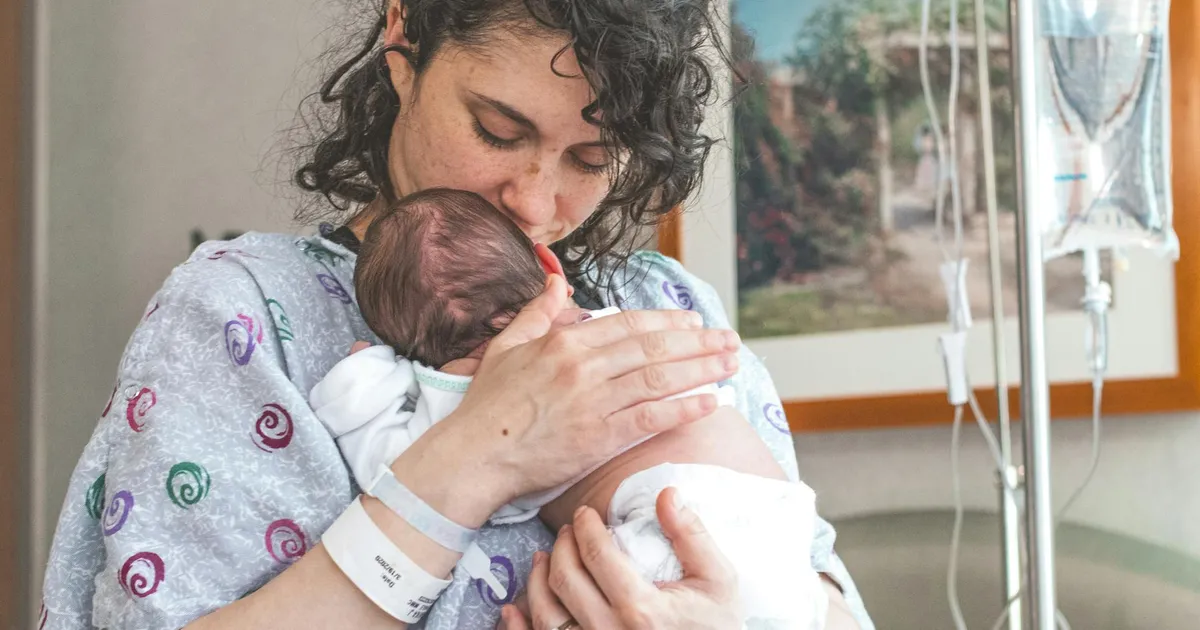
In 2022, 80 New Zealand women joined Pfizer’s Phase 3 RSV vaccine trial, helping generate the safety and efficacy data that regulators in roughly 40 countries used to approve the product. One Christchurch participant, Loren Heaphy, volunteered after watching her five-year-old struggle through RSV and seeing how badly it overwhelmed hospitals.
Four years on, the maternal RSV vaccine Abrysvo remains unavailable in New Zealand. Not because it failed, not because it was rejected, but because Medsafe’s database shows no evidence the manufacturer has even applied for approval. Pfizer apparently decided a market of five million people was not worth the paperwork.
New Zealand was useful enough to run the trial. It was not important enough to be among the first 40 countries to benefit from the result.
The worst RSV rates in the world, the oldest treatment available
New Zealand has the world’s highest rates of serious RSV illness, with 2,000 children under five hospitalised every year. Māori and Pacific children are three to four times more likely to end up in hospital than Pākehā babies. In 2025, Starship Hospital paediatrician Cameron Grant put it bluntly: “We don’t value child health in New Zealand as much as any of these other countries.”
The only product currently available here is a 25-year-old monthly intramuscular injection requiring repeated hospital visits. The newer single-dose immunisation nirsevimab, marketed as Beyfortus, is available in about 40 countries and shown to cut RSV hospitalisations by up to 90 percent. It can be given by a GP, pharmacist or midwife. The United States vaccinates every baby before winter.
Pharmac’s Immunisation Advisory Committee discussed a funding application for nirsevimab in May 2025. Asthma and Respiratory Foundation chief executive Letitia Harding called it “a game-changer” but warned against delay. For adults, an RSV vaccine called Arexvy is approved here for the over-60s but costs $475 out of pocket and is not funded.
Two queues, both glacial
RSV is not an outlier. It is the system working as designed. New Zealand operates a two-stage barrier: Medsafe approval, then Pharmac funding. Both take years, and pharmaceutical companies must choose to engage with each.
A 2025 report on pharmaceutical access found that new medicines take 7-10 years to reach New Zealand patients, compared with 6-18 months in Australia and the UK. As of March 2026, 139 treatments sit on Pharmac’s Options for Investment list awaiting funding decisions. Medicines New Zealand reports those applications have been waiting an average of 7.2 years. Eight in ten are already standard of care internationally. If funded today, they would benefit more than 600,000 New Zealanders in the first year alone.
The promised fix that isn’t one
The coalition government committed to a “Rule of Two” policy: force Medsafe to approve new pharmaceuticals within 30 days of approval by at least two recognised overseas regulators. The proposed legislation falls well short.
Dr Eric Crampton, chief economist at the New Zealand Initiative, identified four critical weaknesses in the draft. Drugs with emergency use authorisation are ineligible, meaning Covid vaccines would not have qualified. Medsafe can stop the clock by requesting more information. And the system still depends on pharmaceutical companies making the first move, which is the core problem.
Crampton was direct about the commercial reality: “Drug companies time release into different markets deliberately. Their regulatory teams will want to prioritise the largest and most lucrative markets first and then work their way down the list. New Zealand will remain a small market with limited willingness to pay.”
His preferred solution, automatic approval for drugs cleared by two trusted overseas regulators with an emergency handbrake for genuine safety concerns, was not adopted. The Ministry of Health’s own Regulatory Impact Statement confirmed in 2025 that the Medical Products Bill won’t go live until late 2030. The broken framework stays in place for at least another four years.
This is a business problem, not just a health one
Two thousand infant hospitalisations a year translate directly into parental absence from work, unplanned emergency spending, and in severe cases long-term respiratory complications that create ongoing health system costs. The 600,000 New Zealanders waiting for medicines on Pharmac’s list represent a material drag on workforce participation.
More fundamentally, a country that takes a decade to approve medicines the rest of the developed world has been using for years is signalling something to the pharmaceutical industry about the value of engaging here at all. That affects clinical trial participation, investment, and the pipeline of future treatments.
New Zealand helped prove the RSV vaccine works. The company that made it did not bother applying to sell it here. Until the regulatory architecture changes in substance rather than just in name, that is the queue New Zealand has chosen to stand in.
Sources
- 1News: Kiwi women taking part in global trial of RSV vaccine (2022-05-03)
- RNZ: RSV vaccine used in 40 other countries could save babies’ lives – doctors (2025-05-01)
- RNZ: RSV immunisation could prevent thousands of babies being hospitalised (2025-05-06)
- NZ Initiative: New medicine approvals plan an exercise in not solving the problem (2025-05-19)
- NZ Herald: NZ ‘significantly behind’ other OECD countries in new-medicine access (2025-03-29)
- Pharmac: Updated information about Pharmac’s priority lists (2026-03-23)
- Medicines New Zealand: 2026 Waiting List Report (2026-03-25)
- Newsroom: ‘Rule of Two’ medicines approval needs improving (2025-04-23)
- Breaking Views: Dr Eric Crampton on new medicine approvals (2025-05-19)
- Regulatory Impact Statement: Innovative Medical Products and Regulatory Pathways to Market (2025-06-23)