

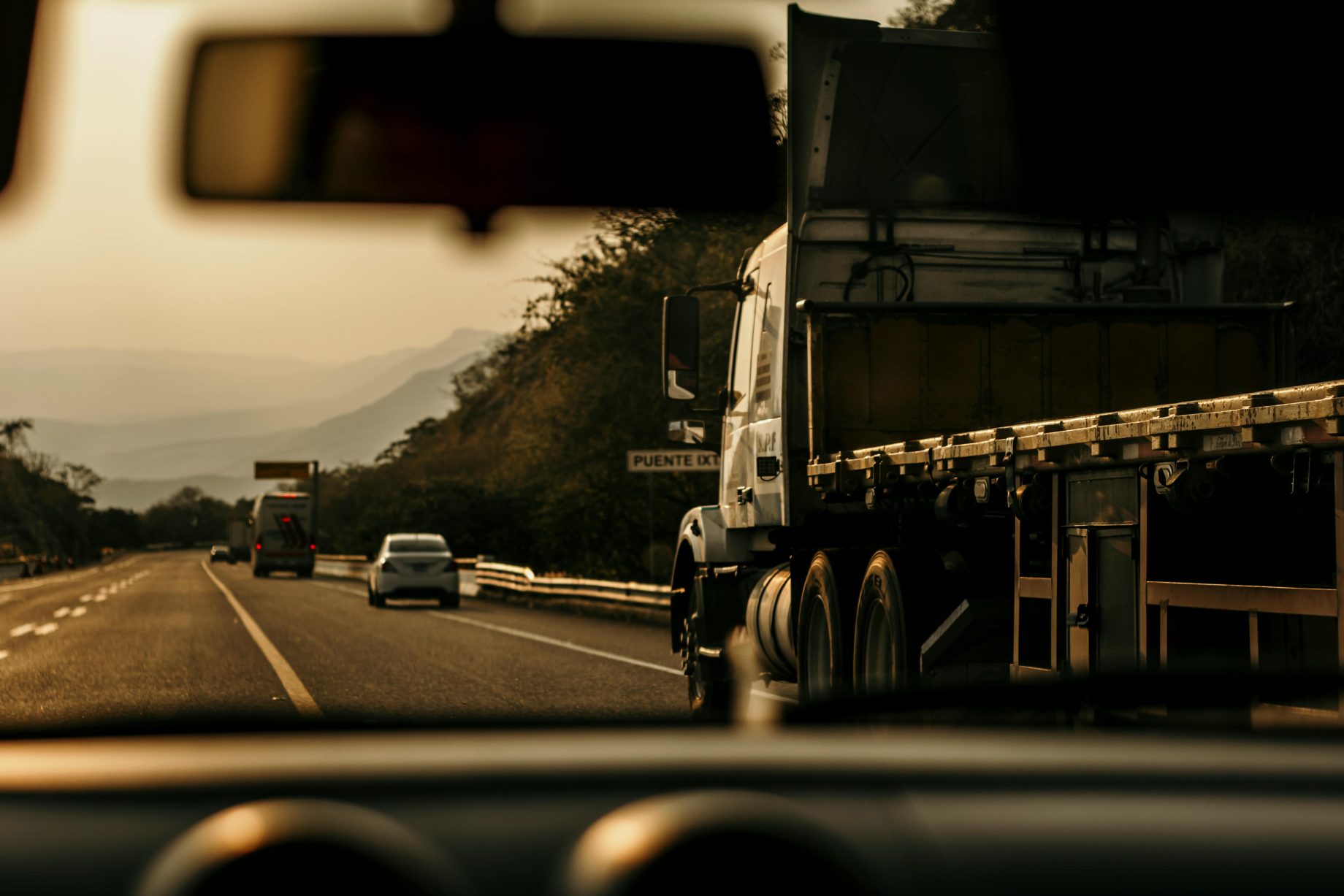
The government is moving to ease trucking and freight regulations, aiming to cut fuel consumption as ongoing conflict in the Middle East puts global energy supplies under increasing strain.
Regulation Minister David Seymour has announced plans to strip back what he described as unnecessary regulatory barriers, with changes aimed at boosting efficiency and reducing fuel consumption before the situation worsens.
Among the proposals are allowing trucks to carry heavier loads per trip, loosening restrictions on oversized vehicles, and fixing outdated licensing rules that unfairly penalise heavier electric vehicles. The current system forces drivers of some EV trucks into higher licence classes than diesel equivalents.
Seymour said the government had taken on board concerns from businesses and workers facing fuel uncertainty, stressing that the changes would give the economy greater flexibility and resilience if higher response levels are needed.
“New Zealand’s fuel supply is stable,” he said. “We’re focused on keeping it that way.”
New Zealand remains in phase one, focused on close monitoring without heavy-handed intervention. The government says it is proactively preparing a full suite of options so they can be deployed swiftly if the situation escalates.
Meanwhile, Transport Minister Chris Bishop pointed to long-standing frustrations in the freight industry, particularly around rigid weight limits under the Vehicle Dimensions and Mass rule.
“In the short term, even small increases in permitted loads could reduce the number of trips needed, saving time, lowering costs, and reducing fuel use,” he said.
“We need to balance that with safety and network impacts, but there are sensible changes we can make that will lift productivity without compromising standards.”
“Fuel prices are already putting pressure on households and businesses, which is why this work matters. Getting ahead of the problem now helps reduce the impact if global conditions worsen.”
Bishop acknowledged that easing those restrictions comes with trade-offs, including more wear and tear on roads as heavier loads are allowed to move more efficiently across the network.
“Some such trade-offs can become justified, at least temporarily, when the immediate priority is conserving fuel.”
“For example, in the short term, some additional road wear may be acceptable to save fuel. Other trade-offs, like those that compromise safety, are not acceptable.”
The government is also reviewing delivery curfews that restrict when trucks can move through urban areas, rules originally designed to limit noise but which now force freight into congested peak traffic, increasing fuel waste and inefficiency.
Restrictions forcing oversized vehicles onto indirect routes, including parts of major motorway networks, are also under scrutiny after years of adding unnecessary costs and delays to the freight system.
The government is also considering adjustments to licensing thresholds for zero-emission vehicles, recognising that current rules may be holding back their wider adoption.
A document notes that licence classes are partly determined by vehicle weight, with higher classes requiring more demanding and costly testing. However, because zero-emission vehicles are often heavier than their diesel counterparts, they can be pushed into a higher licence category, despite having similar handling characteristics and requiring no additional driving skill.
The government says these changes are about common sense, removing outdated rules, backing productivity, and ensuring New Zealand is better prepared for global shocks without resorting to heavy-handed interventions.