

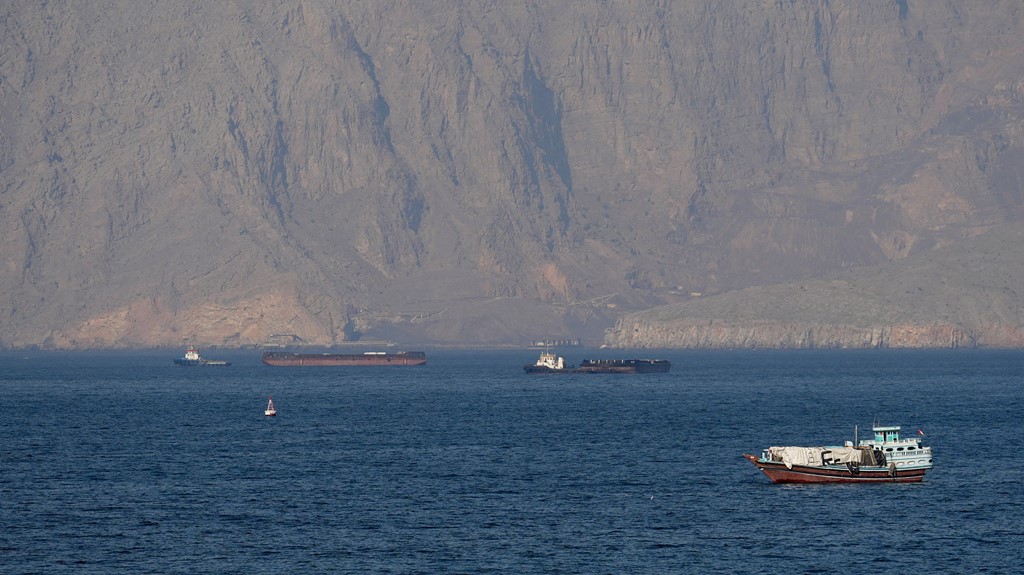
Iran has refused to reopen the Strait of Hormuz, a vital artery carrying 20 per cent of global oil and worth over £1 trillion annually, blaming ceasefire violations by the United States and Israel for the impasse.
Mohammad Bagher Ghalibaf, Iran’s chief negotiator with the U.S., made this clear in a post on X on Wednesday when he said reopening the strait is not possible because of “the blatant violations of the ceasefire.” He criticised the U.S. naval blockade of Iranian ports as holding the world economy hostage and pointed to Israel’s warmongering on multiple fronts.
President Masoud Pezeshkian expressed willingness for talks but warned that “breach of commitments, blockade, and threats are main obstacles to genuine negotiations.” Expectations had risen early Tuesday for new peace discussions in Pakistan, yet they remain stalled, with U.S. Vice President JD Vance still in the country instead of leading the delegation.
Late on Tuesday, President Donald Trump extended the ceasefire indefinitely, a move Press Secretary Karoline Leavitt described as flexible with no set deadline. She noted that Trump is “satisfied” with the blockade, adding that he understands Iran is in a very weak position.”
“The cards are in President Trump’s hands right now,” Leavitt told reporters, who pressed her on when the conflict might end. She replied that Trump will decide “and he will do so when he feels it’s in the best interests of the United States and the American people.”
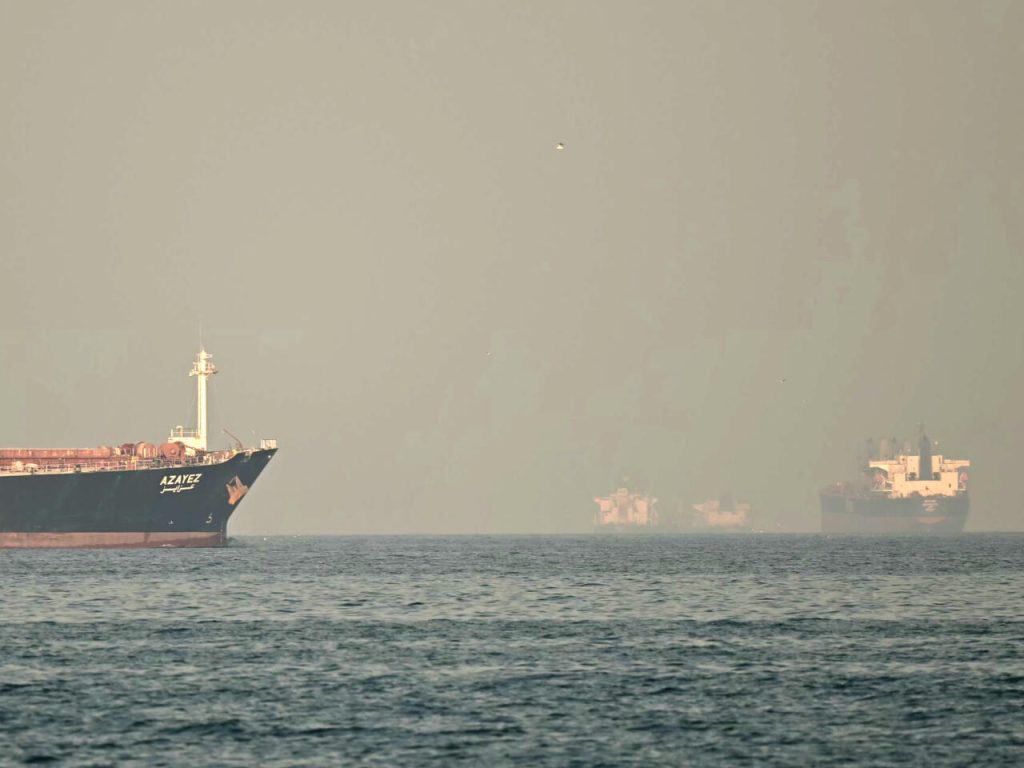
Tensions boiled over with fresh clashes in the strait. Iran reported seizing two cargo ships on Wednesday morning for inspection following attacks on three vessels, evoking memories of the 2019 tanker crisis that spiked oil prices.
MarineTraffic data reviewed by BBC Verify shows the UAE-owned Euphoria, hit eight nautical miles off Iran, now anchored safely nearby, while Iran claimed the damaged MSC Francesca and Epaminondas violated rules by operating without authorisation.
The IRGC Navy vowed to monitor traffic and take firm action against violators. Greece’s Foreign Minister Giorgos Gerapetritis confirmed an attack on Greek ship Epaminondas but not its seizure. Meanwhile, U.S. Navy Secretary John Phelan stepped down abruptly, with no explanation given.
Leavitt dismissed the seizures as a ceasefire breach, saying, “These were not U.S. ships, these were not Israeli ships.”
Analysts like ex-State Department official Andrew Peek see Iran’s Hormuz focus as a misstep, though markets hold steady despite rising fuel costs. Brent crude has climbed 5 per cent to $92 a barrel, per Al Jazeera, as EU leaders urge restraint.