

The gap that won’t close
New Zealand’s bed tax debate has been running since 2017 and has produced exactly zero legislation. The reason it keeps resurfacing is structural, not political. Local councils bear the physical cost of tourism, from roads to wastewater to public toilets, while the revenue from visitors flows elsewhere.
The International Visitor Levy was raised to $100 in 2024 and is projected to generate $230 million annually. Not a dollar of it is directed to the councils actually managing the infrastructure visitors use. Total IVL revenue from 2019/20 to the end of FY 2023/24 was $169.75 million. Of that, tourism project expenditure totalled $31.35 million across 13 initiatives, things like workforce development and data systems. Conservation received $43.25 million. Queenstown Lakes District Council got nothing directly.
So the regions are moving without Wellington.
Otago is building the case council by council
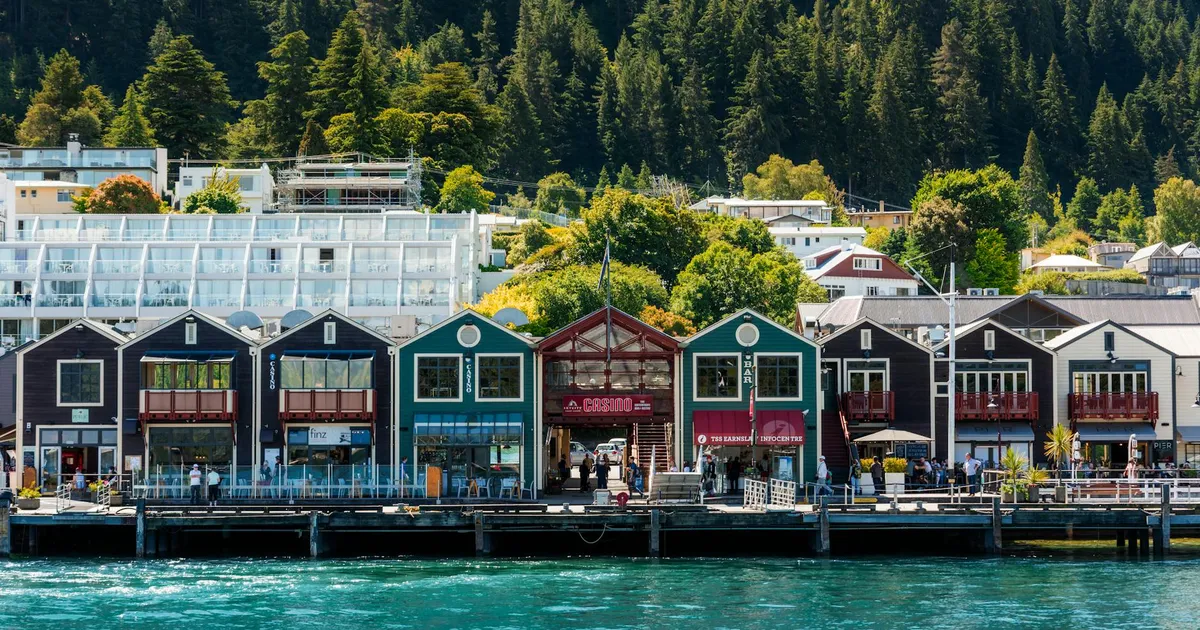
Regional leaders are actively calling for a bed tax, with Queenstown Lakes District Councillor Jon Mitchell framing it as a matter of regional necessity. But the more interesting move is happening next door.
Central Otago District Council has formally offered support to Queenstown Lakes’ bed tax bid and instructed staff to produce a cost-benefit analysis on charging commercial rates to short-term rental properties listed for more than 60 nights on platforms like Airbnb. Councillor Tamah Alley put the logic plainly: “There is a fairness element to the conversation, that people who visit would pay a contribution to communal services.”
The numbers back her up. Central Otago’s visitor economy spend is up 39% since 2019, well above the national average. But as community vision group manager Dylan Rushbrook noted, the district is “at possibly a disadvantage to source this funding because of the relatively small number of international visitors” it hosts. The IVL barely touches Central Otago. The commercial rates mechanism targets domestic visitors and short-stay platforms directly.
The infrastructure bill is not theoretical
In Mackenzie District, Tekapo’s wastewater treatment plant was designed for 3,000 people daily. It is currently processing approximately 10,000. The required upgrade will cost $40-50 million. The council already spends $800,000 a year on public bathroom cleaning. Last season it issued $145,000 in abatement notices to freedom campers, of which close to $50,000 was written off as uncollectable.
Meanwhile, Queenstown Lakes has a house price-to-income ratio of 16.1, the least affordable region in the country. Workers are priced out of the market that tourism built.
The industry wants a national framework it doesn’t expect to get
Accommodation operators have shifted from outright opposition to conditional acceptance. Hotel Council Aotearoa now cautiously supports a national overnight accommodation levy, provided it is applied consistently. Hospitality NZ chief executive Steve Armitage has been clear: “We’re less supportive of a region-by-region approach, we would prefer to see a one size fits all ‘do it once, do it right’ approach.”
But here is the uncomfortable part. Hotel Council Aotearoa’s James Doolan has said the industry would be “hugely surprised” at any national bed levy. The industry’s preferred solution is also the one it considers least likely. That leaves operators in strategic no-man’s land, opposing regional fragmentation while doubting the national alternative will ever arrive.
Hotel Britomart general manager Clinton Farley has quantified the concern: a 5% bed levy combined with 15% GST would result in 20% total taxation on accommodation, in a market where international visitor arrivals are still only at 77.4% of pre-COVID levels.
Wellington is happy to wait. Otago isn’t.
Prime Minister Christopher Luxon has said the government is “open to looking at it, again, next term”. A Curia poll commissioned by Local Government New Zealand found only 8% of respondents believed rates should fund tourist infrastructure, while 45% wanted a combination of visitor fees and rates. Public support for visitors paying their way is overwhelming. It has been for years, without producing legislation.
The “do it once, do it right” argument is losing to the “we can’t wait any longer” argument at the local level. Central Otago is modelling commercial rates for short-term rentals. Queenstown Lakes is formally seeking a bed tax. Mackenzie is calculating the full cost of tourism on ratepayers. Each move builds precedent.
Accommodation operators who want to shape what comes next, rate levels, exemptions, how revenue is spent, whether Airbnb hosts are treated differently from hotels, need to be engaged in submissions now. The alternative is waking up to a bill they had no hand in designing.
Sources
- RNZ Morning Report: Regional leaders calling for bed tax (2026-03)
- RNZ: Prime Minister Christopher Luxon open to looking at bed tax in a second term (2024)
- Crux: Central Otago sets sights on Airbnb and bed taxes
- RNZ: Hoteliers keeping the bed tax dream alive
- Otago Daily Times: Queenstown Lakes housing least affordable in country
- RNZ: Mackenzie District workers sleeping in cars as tourism drives up long-term rental prices
- RNZ: Should be done once and done right – battle over bed tax for visitors
- NBR: Hoteliers cautiously agree to nationwide bed tax to fund tourism
- Tourism Ticker: Industry would be hugely surprised at any national bed levy (2024-06-18)