

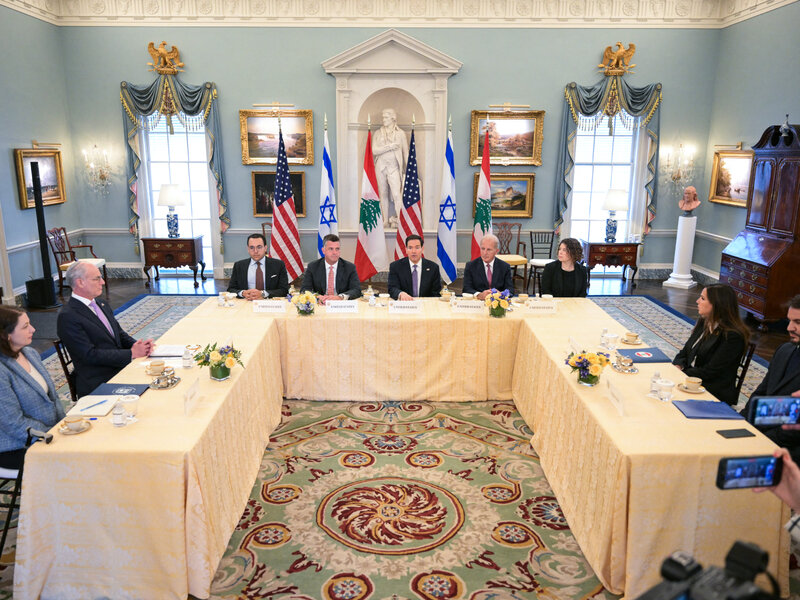
Officials from Israel and Lebanon gathered in Washington on Tuesday for their first direct high-level discussions since 1993, a U.S.-brokered effort to defuse the intensifying conflict between Israel and the Iran-backed Hezbollah militia.
The meeting arrives against the backdrop of Israel’s military campaign in southern Lebanon, launched on 2 March 2026 just days after U.S. and Israeli strikes hit Iranian positions. The fighting has killed more than 2,000 people, according to UN figures, with around 1,500 Lebanese civilians and fighters among the dead, and nearly one million others forced from their homes near the border amid relentless Hezbollah rocket fire.
U.S. Secretary of State Marco Rubio described the talks as a historic opportunity to curb Hezbollah’s hold on the region. Washington confirmed that both sides pledged to start formal negotiations soon, though details remain to be settled. Israel made clear its goal to disarm non-state armed groups like Hezbollah, which it considers a terrorist threat.
Lebanon focused on securing a ceasefire and urgent help for its humanitarian emergency, strained further by wrecked infrastructure and economic collapse. The neighbours have no diplomatic relations, and their previous face-to-face exchanges in the 1990s crumbled as Hezbollah’s power expanded.
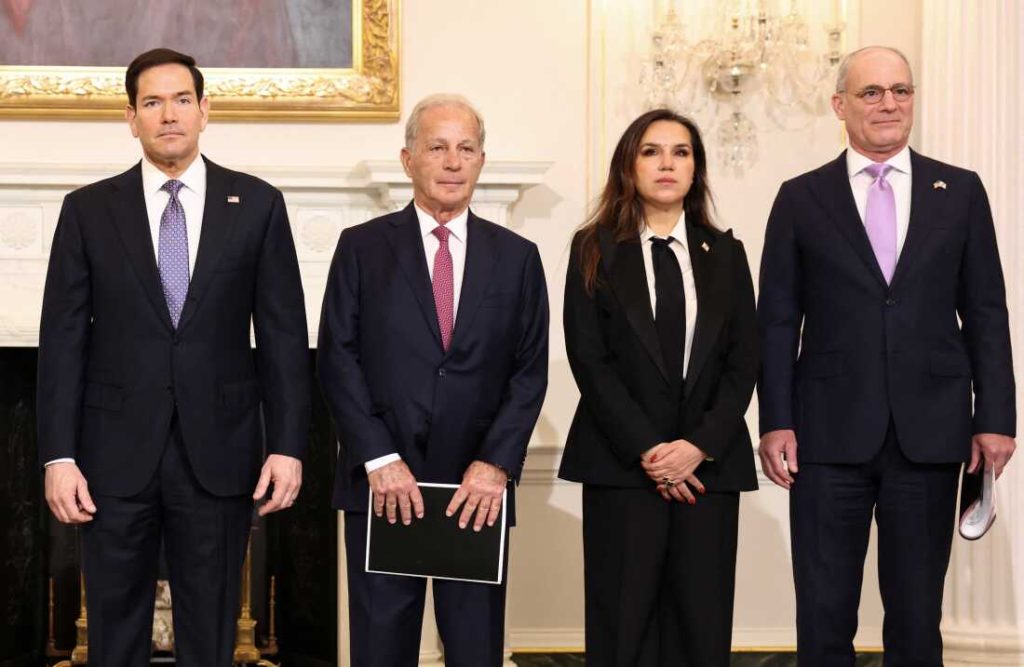
As the summit unfolded, Hezbollah announced 24 strikes on Israeli targets, setting off alarms from drones and rockets across northern Israel. Born from Israel’s 1982 invasion of Lebanon, the group dominates Shia communities in the south and Beirut suburbs, even securing cabinet seats despite growing rifts with the central government over its pro-Iran stance.
Hezbollah’s Wafiq Safa told the AP, “We are not bound by what they agreed to.” Israel, fresh from clashes with the militia during the 2023-2024 Gaza war, targets its vast rocket stockpile of some 150,000 weapons.
State Department spokesman Tommy Pigott noted pledges to weaken Hezbollah. Lebanon called for a ceasefire and concrete measures to address and alleviate the severe humanitarian crisis, while the U.S. backed Israel’s right to defend itself.
Rubio told reporters it was a process. “This will take time, but we believe it is worth this endeavour,” he said. “It’s a historic gathering that we hope to build on.”
Lebanese President Joseph Aoun hoped it would mark the beginning of the end of the suffering of the Lebanese people in general, and those in the south in particular, with the army taking sole security control, despite limited leverage over Hezbollah. Parallel U.S.-Iran talks in Pakistan failed after Tehran tied any truce to Lebanon.