

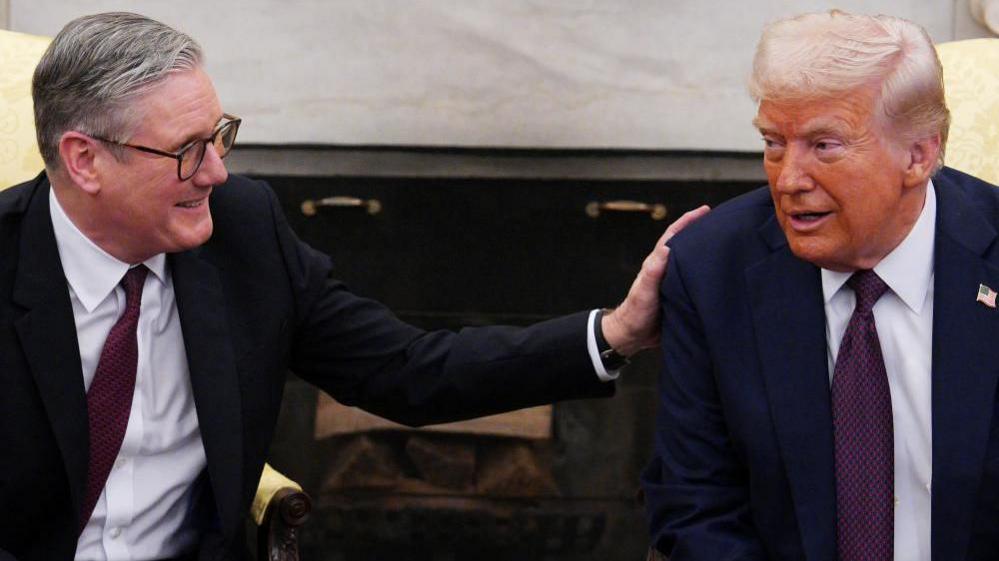
Prime Minister Sir Keir Starmer held crisis talks with U.S. President Donald Trump on Sunday evening, zeroing in on the pressing need to unblock the Strait of Hormuz as the Iran conflict sends shockwaves through world energy markets.
Since U.S. and Israeli forces launched strikes against Iran on 28 February, traffic through this vital chokepoint has plummeted by nearly 95%, halting flows of roughly 20% of global oil and liquefied natural gas. The fallout has propelled Brent crude to $106 a barrel, up 45%, with UK petrol prices nearing £2.20 per litre and inflation holding at 3.2%.
A Downing Street spokesperson revealed that the leaders “agreed that reopening the Strait of Hormuz was essential to ensure stability in the global energy market” and had “agreed to speak again soon.”
Their exchange sets the stage for Sir Keir’s Cobra meeting today, bringing together Bank of England Governor Andrew Bailey, Chancellor Rachel Reeves, Foreign Secretary David Lammy, and Energy Secretary Ed Miliband to grapple with threats to energy security, soaring household costs, supply chain chaos, and diplomatic options. Analysts warn of potential $500 billion in yearly global trade losses if the stalemate persists.
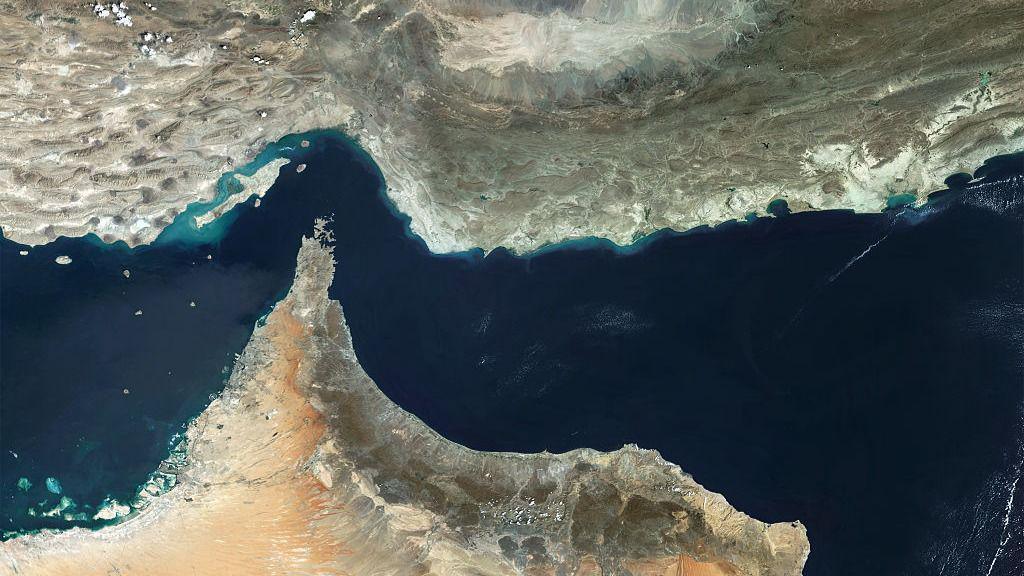
Tensions boiled over with Trump’s Saturday social media post threatening to “obliterate” Iranian power plants unless the strait reopens within 48 hours. Tehran hit back via state media, vowing strikes on U.S.-affiliated Gulf energy facilities.
The Cobra discussions will also scrutinise risks closer to home. Iran recently targeted the joint U.S.-UK base at Diego Garcia, 3,800km away, with two ballistic missiles; one malfunctioned and fell short, the other was shot down.
Housing Secretary Steve Reed, speaking to the BBC, said there was “no specific assessment that the Iranians are targeting the UK – or even could if they wanted to,” while refusing to disclose missile proximity for operational reasons. He pointed to swift government aid, including a £53m fund for households hammered by heating oil price spikes.
Britain has now permitted U.S. strikes from its bases against Iranian positions endangering the strait, moving beyond previous defensive-only access to protect UK lives and assets. The war traces back to mounting Israel-Iran clashes, triggered by Tehran’s drone assaults on Israeli targets.