

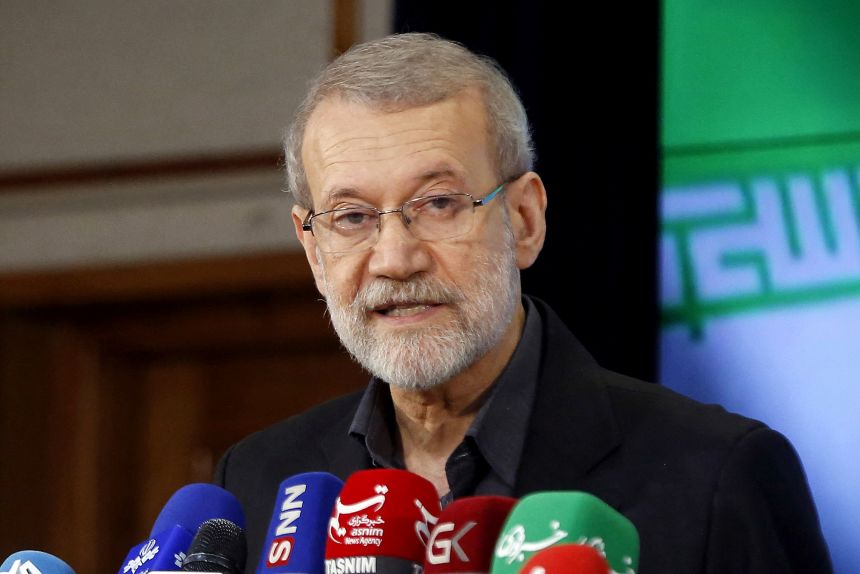
The Israeli airstrike killing Ali Larijani has sharpened fractures in Iran’s leadership during a critical phase for the Islamic Republic.
As Supreme National Security Council head, Larijani steered defence and proxy strategies against Israel and the U.S. His pragmatic style—blending zeal with tactics—earned respect, including his push for the China pact fuelling Iran’s arms and oil.
Post Supreme Leader Khamenei’s 28 February death, Larijani warned of endurance, signalling that Iran was prepared for a long conflict. His confirmed demise fits a wave of elite losses tracked by Al Jazeera and Reuters, akin to Israel’s Hezbollah campaign.
He juggled war expansion via Yemen and Iraq proxies, Hormuz threats jamming 15 percent of shipping, inflation-driven riots crushed with thousands dead, and stalled nuclear talks amid IAEA uranium alerts.
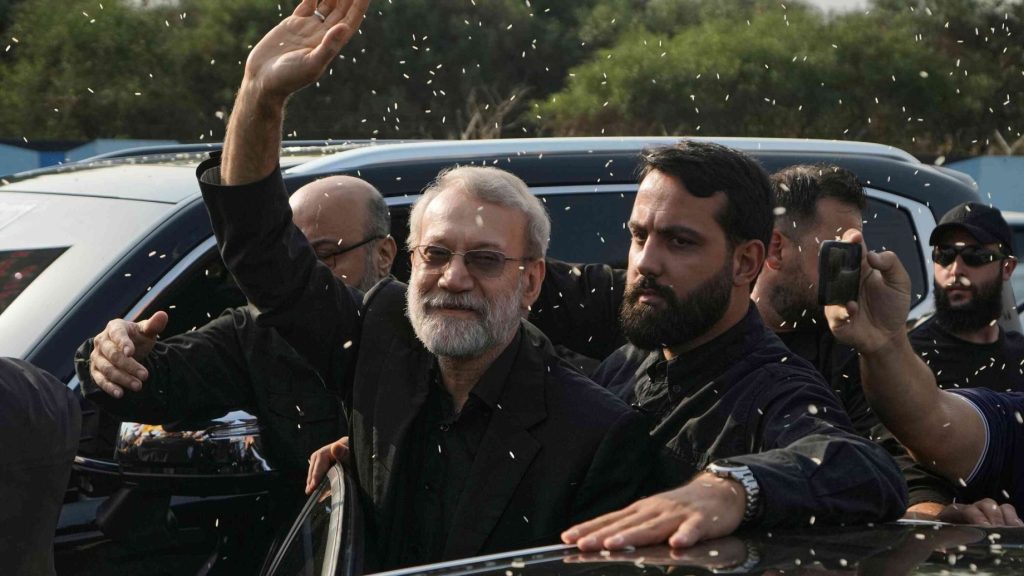
The gap exposes successors to raids, tilting power to IRGC with President Pezeshkian’s nod to troops’ “broad authority to act if senior leadership is incapacitated.” Delayed transitions hide Mojtaba Khamenei, per The Economist.
A surge in volatility appears inevitable, marked by more aggressive military postures abroad and intensified domestic repression. The relentless erosion of top-tier personnel in a nation exceeding 90 million inhabitants imperils the regime’s very functionality.
Larijani’s elimination thus exacerbates a profound leadership crisis, with ramifications for both the conflict’s trajectory and Iran’s long-term stability.