

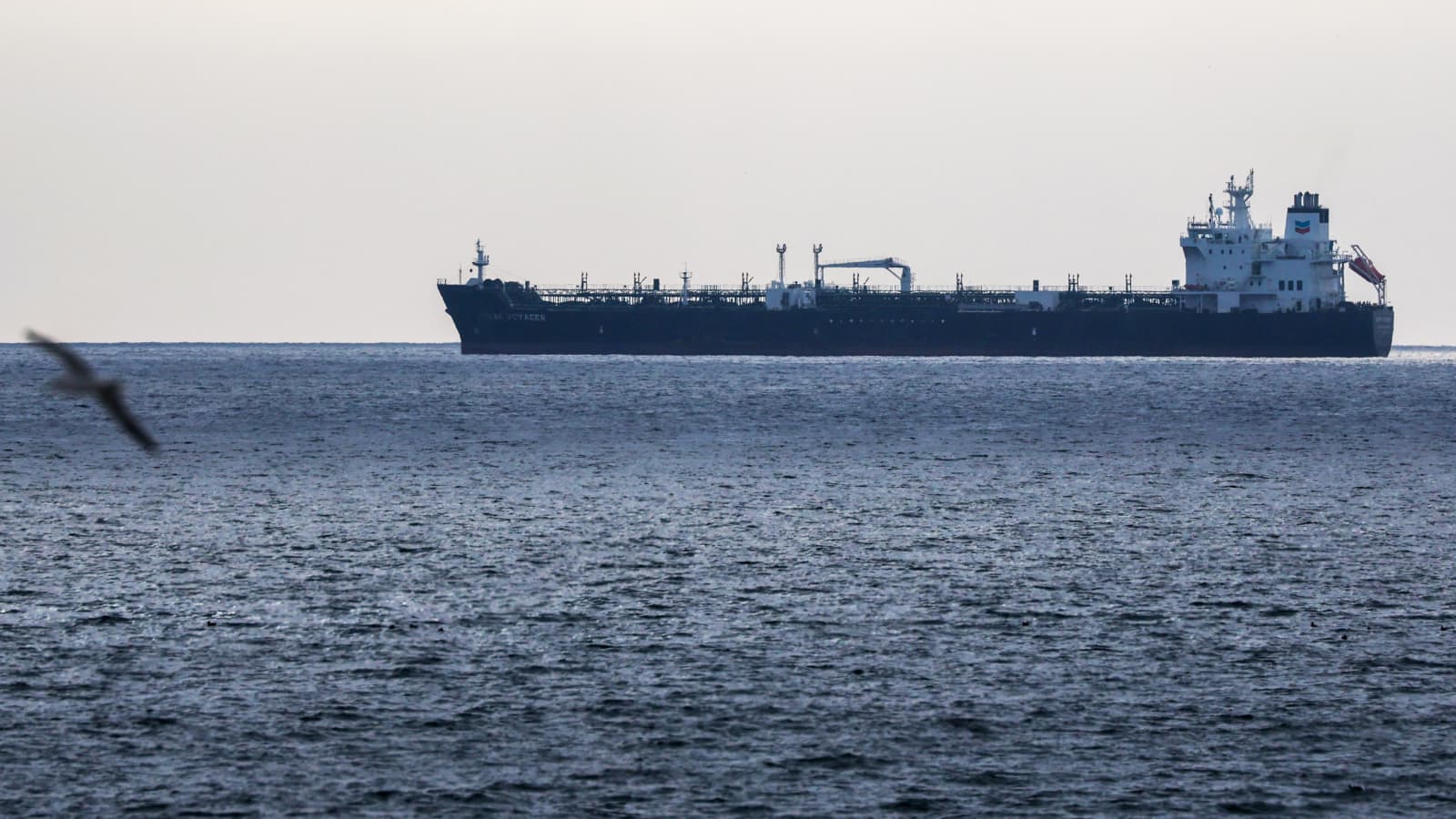
The Trump administration unveiled a £15.7 billion reinsurance scheme on Friday to shield oil tankers and merchant vessels traversing the Persian Gulf, aiming to revive traffic halted by the escalating war with Iran.
With the Strait of Hormuz at a standstill, U.S. crude prices have soared 35 per cent this week, intensifying global supply fears. Gulf producers like Saudi Arabia are curtailing output as cargoes languish, unable to pass through the vital waterway—Reuters notes some plants operating at half speed amid mounting onshore stockpiles.
The U.S. International Development Finance Corporation will underwrite losses up to £15.7 billion on a rolling basis, coordinating seamlessly with the Treasury and U.S. Central Command. This mirrors historical interventions, such as the insurance backstops during the 1980s Tanker War that kept oil lanes open under threat.
“We are confident that our reinsurance plan will get oil, gasoline, LNG, jet fuel, and fertiliser through the Strait of Hormuz and flowing again to the world,” DFC CEO Ben Black said in a statement.
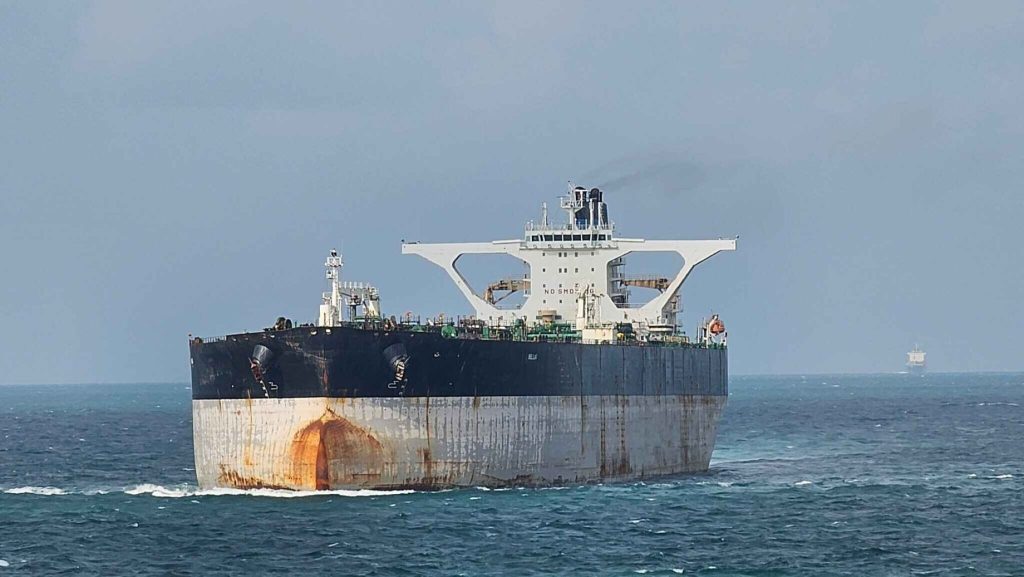
As the planet’s premier oil chokepoint, the strait channels roughly 20 per cent of global crude consumption and liquefied natural gas exports, per U.S. Energy Information Administration figures. The fallout ripples far: European petrol costs have spiked 12 per cent, while Asian refineries turn to pricier alternatives from Russia and America.
President Trump flagged the insurance lifeline for Gulf commercial shipping on Tuesday, pledging U.S. Navy escorts if attacks persist—several tankers have already been struck since last weekend’s U.S.-Israeli airstrikes on Iranian sites.
Even so, experts warn that coverage alone won’t tempt owners back. “Insurance is not the main problem for ship owners right now,” said Matt Wright, senior freight analyst at Kpler.
“Tankers are not moving through the Strait because they are worried about their physical security,” Wright said. “There needs to be some confidence that Iran’s ability to continue to wage war has diminished,” Wright told CNBC.
With Brent crude nearing $120 per barrel, the DFC push could stabilise flows and curb inflation before winter demand surges.