

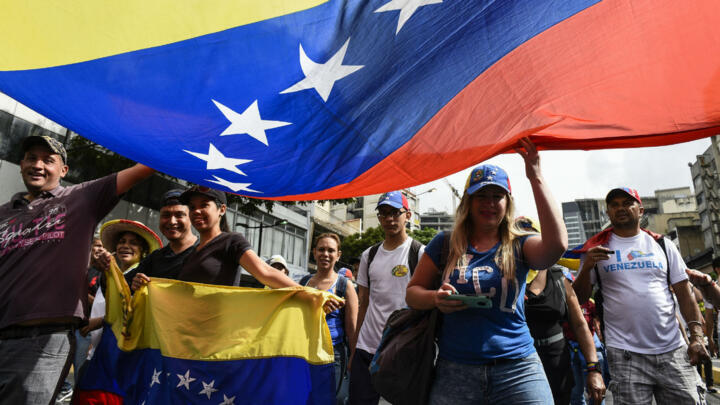
Venezuela’s main stock index, the IBC, has rocketed more than 130 per cent to all-time highs since U.S. forces seized ex-president Nicolás Maduro on January 3.
The gauge surged from roughly 2,000 points year-start to near 6,000, building on 2025’s 1,644 per cent leap amid thin trading volumes.
Traders anticipate sanctions relief unlocking oil investments via Chevron and Repsol, potentially lifting output to 1.5-2 million barrels daily within two years after years of crisis. U.S. ETF provider Teucrium filed SEC papers last Friday for a pioneering fund tracking Venezuelan-exposed firms.
“In what is a fluid environment, we currently believe that Venezuela is more likely to experience regime continuity with behavioral realignment, rather than an outright democratic transition or system collapse,” BMI said in a note. “A pliant Venezuela would allow the U.S. to reinforce its regional hegemony, secure access to the oil sector on very favourable terms.”
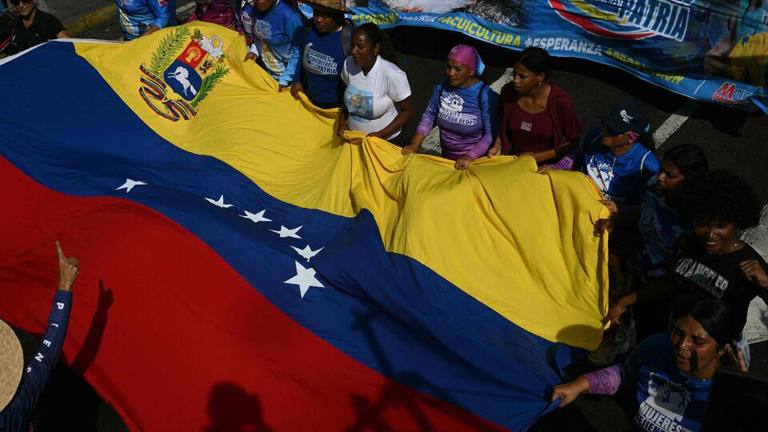
Bonds from the government and PdVSA have rallied too, as creditors eye debt workouts for $150-170 billion in claims defaulted since 2017.
“Investors began to price in Maduro’s removal from power as a precondition for sanctions relief and eventually a restructuring deal,” said Anthony Simond of Aberdeen.
The market stays small and illiquid, prone to sharp swings like the 50 per cent daily post-seizure jump.
“Because Venezuela’s markets are thinly traded, even small shifts in expectations can cause large price moves,” Alice Blue of TradingView noted. “The rally reflects hope and speculation, not confirmed outcomes.”
“At this stage, the rally appears to be largely tactical, rather than the start of a structural re-rating,” said Jeff Grills of Aegon Asset Management.