

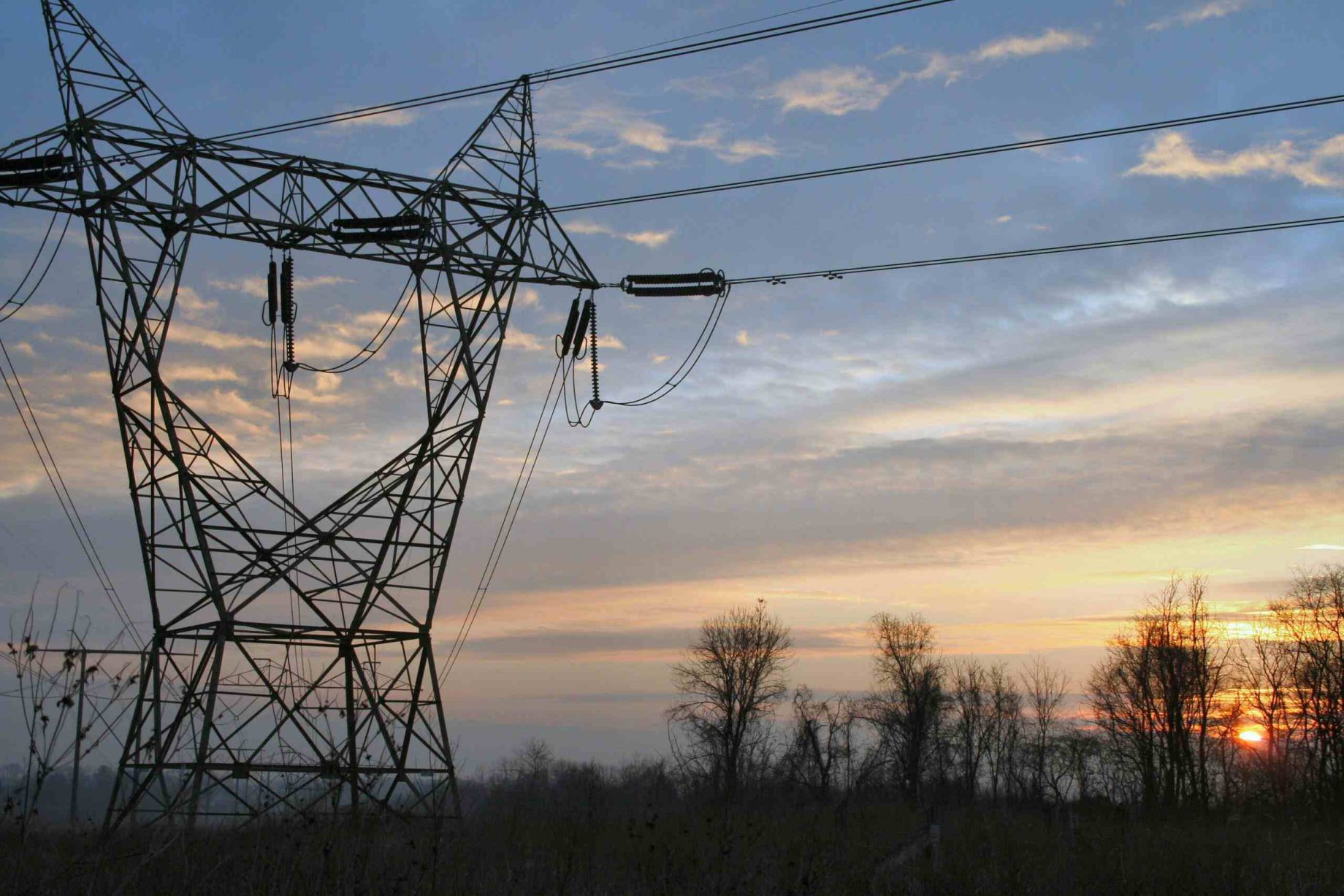
The Netherlands’ swift expansion of renewable energy is putting severe strain on its electricity grid, risking widespread congestion and delays.
Once designed for a handful of large gas power plants, the grid now struggles to handle electricity injected from numerous wind turbines and solar panels across the country.
A government campaign called “Flip the Switch” asks citizens to reduce electricity use during peak hours to avoid overloading. Kees-Jan Rameau, CEO of Eneco, explains the issue as “grid congestion,” like a traffic jam caused by too much power demand or supply for the network to manage. Smaller suburban power lines are unable to cope with the surge of renewable energy generation.
Thousands of businesses and households face years-long waiting lists for new or expanded grid connections, hampering growth and electrification efforts. The Dutch Chemical Association warns this congestion risks the future competitiveness of vital industries.
TenneT, the grid operator, plans to invest €200 billion by 2050 to upgrade infrastructure including new cables and substations. However, projects take about a decade due to lengthy legislative and permitting processes.
Meanwhile, innovative measures are underway: congestion management schemes help shift electricity use to off-peak times, and flexible contracts limit power feed-in during peak periods. The government is also revising tariffs and access models to incentivise balanced grid usage.
This situation displays a wider European challenge integrating renewables faster than grids can adapt. Although costly and complex, upgraded infrastructure combined with smarter demand management is critical for the Netherlands to maintain energy security, meet climate targets, and support economic growth.