

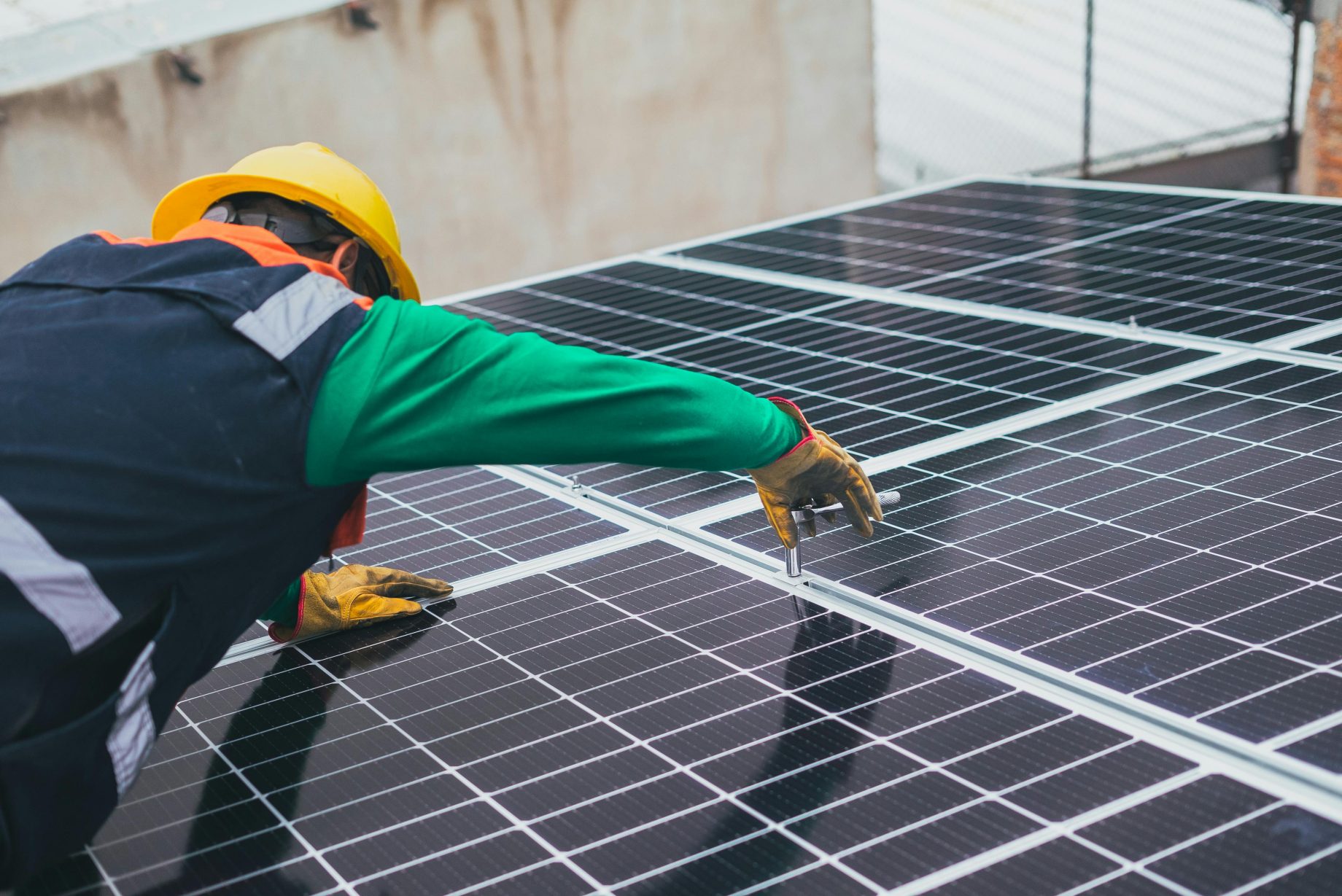
Homeowners in Queenstown, Auckland, Christchurch, and Wellington are finding that installing rooftop solar panels may now yield solid financial returns.
According to a new study by the Energy Efficiency and Conservation Authority (EECA). The rising electricity costs and declining panel prices are making solar installations a financially savvy decision.
Queenstown and Auckland Drive Rooftop Solar Uptake
“We’ve now got to that point with those (standard) 5kW systems with a house that’s got electric appliances, where you can pretty much say this is going to be a good investment,” said EECA spokesperson Gareth Gretton.
The study found Queenstown homeowners saw the highest returns, between 7–14% annually, thanks to high sunshine hours and moderate electricity costs. Auckland followed, with returns of 6–12%, bolstered by high power prices and solid solar exposure.
But Gretton noted sunlight alone doesn’t drive profitability. “Power prices had more impact on the returns than sunshine hours,” he said, with Christchurch and Wellington trailing due to their lower electricity rates, not their weather.
Optimise System Design for Higher Solar Returns
The ideal solar configuration involves a north-facing 5kW array set at a 30-degree angle and operating without a battery. “There’s a pretty wide range of return but it’s pretty much never below 6 percent… at the very extreme end… there were returns of up to 14 percent,” said Gretton.
He pointed to a 10% boost in efficiency and return when installing 6kW of panels with a 5kW inverter. “It’s something you should be asking anyone giving you a quote about,” he said.
Avoid Batteries to Maximise Financial Return
While some households are eager to pair solar with battery storage, EECA’s study suggests waiting. “Right now today adding a battery to your solar install will not increase your rate of return, it will actually decrease it,” Gretton warned.
However, that may change as prices fall and electricity tariffs change to reward peak-time exports. Until then, Gretton says a simple hot water cylinder is the best energy storage: “Your straightforward hot water cylinder is actually the lowest cost form of storage you can have right now.”
Grid Regulation Changes to Enhance Profitability
New voltage regulations will make it easier for solar users to sell excess power back to the grid. “This basically gives the networks more headroom to receive this electricity from inverters,” said Gretton.
This policy shift, along with local grid export limits, will shape the future profitability of solar systems.
Solar energy may present strong financial returns, but not all New Zealanders are in a position to benefit. Mike Casey of Rewiring Aotearoa highlighted renters and the elderly as groups frequently left behind. Gretton stressed the importance of pricing decisions: “If you’re able to get a really competitive installation price, you’re guaranteed to have higher returns.”