

Public opposition to artificial intelligence is mounting in the United States, raising obstacles for tech companies pouring billions into data centres and eyeing high-stakes public listings.
Major players such as Amazon, Google, Microsoft, and Meta have committed roughly $700 billion in capital expenditure for 2026 to expand the infrastructure that drives AI models, according to analyst projections. Startups like OpenAI and Anthropic, both on track for IPOs with multibillion-dollar valuations, now grapple with eroding public support that threatens their growth plans and investor appeal.
Polls underscore the unease. In a March NBC News survey, 57 per cent of registered voters said AI’s dangers surpass its advantages, while a Quinnipiac poll found 55 per cent anticipate more harm than benefit in everyday life. Pew Research revealed that most Americans feel greater concern than excitement about the technology’s spread, positioning it as a potential flashpoint in midterm elections.
The backlash turned violent last week when a man threw a Molotov cocktail at OpenAI chief executive Sam Altman’s San Francisco home. Texas resident Daniel Moreno-Gama, aged 20, faces attempted murder charges and accusations of threatening to torch OpenAI’s headquarters, with prosecutors linking the attack to anti-AI hatred.
Altman responded by recognising a period of “great anxiety about AI” and urging de-escalation in rhetoric and tactics. “I empathize with anti-technology sentiments and clearly technology isn’t always good for everyone,” he wrote. “But overall, I believe technological progress can make the future unbelievably good, for your family and mine.”
Amid these tensions, Altman has pitched policies including a public wealth fund and a four-day working week to mitigate economic fears, while Anthropic’s Dario Amodei cautions against AI’s disruptive potential.
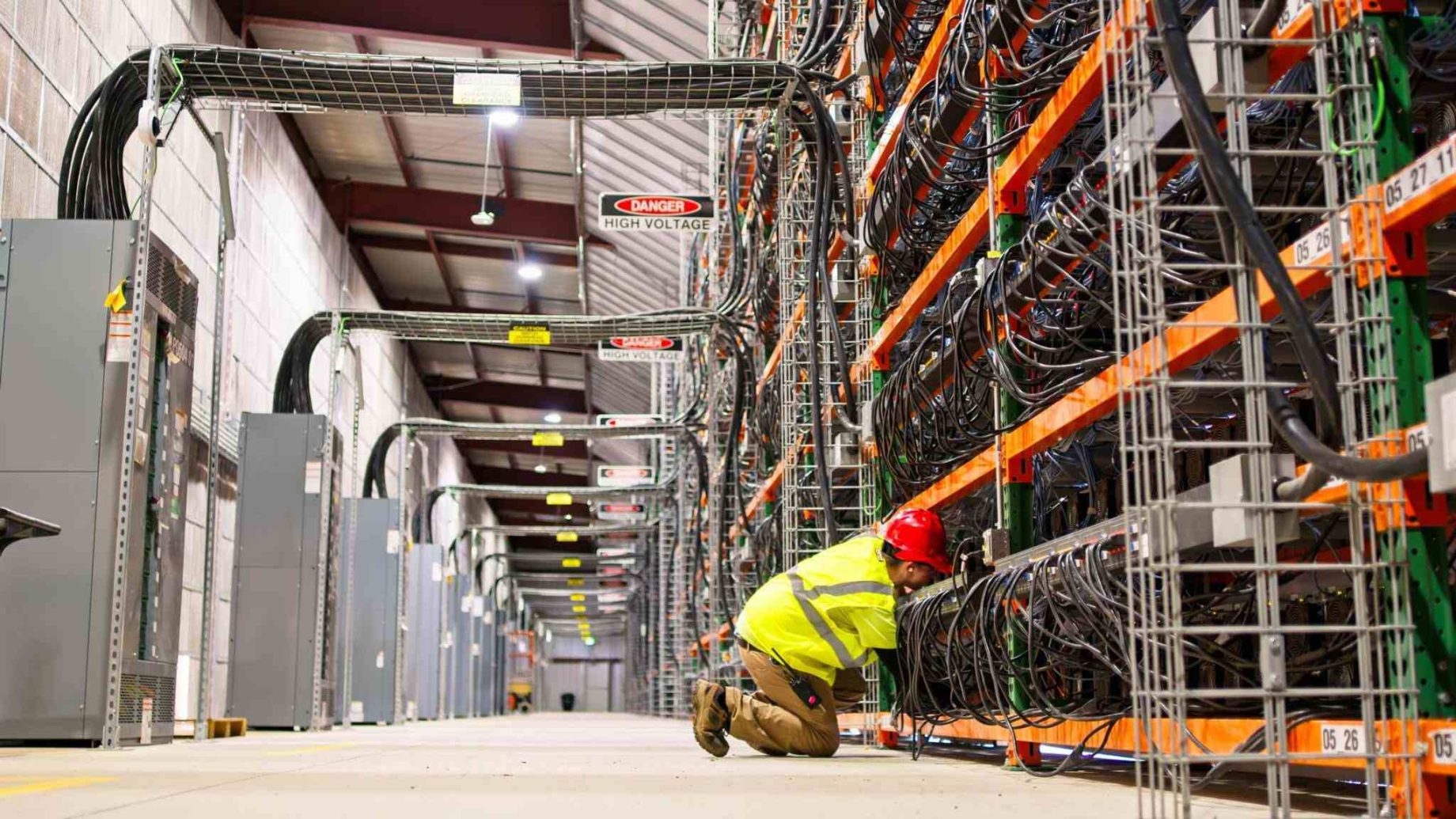
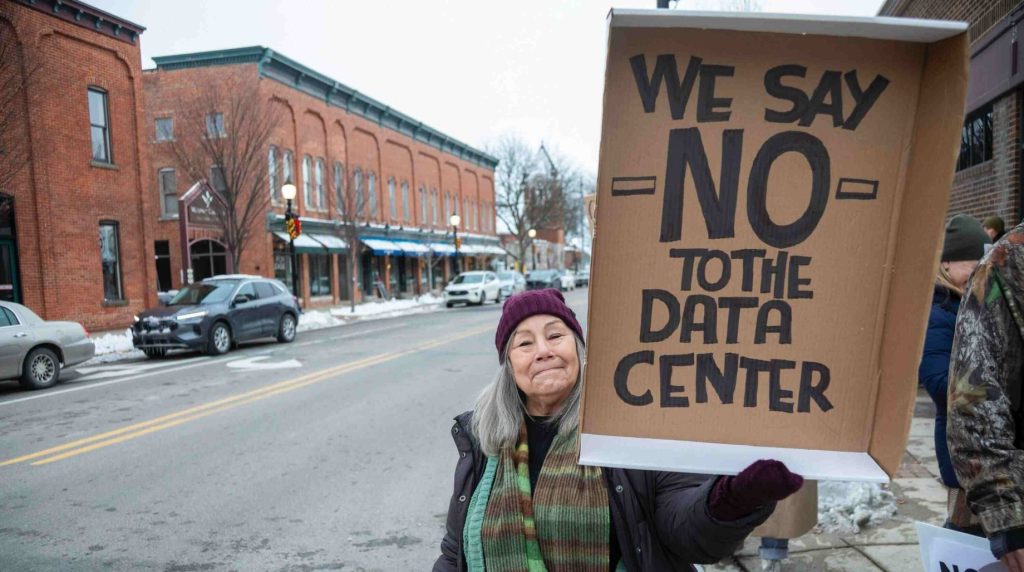
Data centres, the powerhouses behind AI, are fuelling further resistance due to their massive energy demands, which could claim 8 per cent of U.S. electricity by 2030. Data Center Watch reports $156 billion in stalled 2025 projects from local opposition. Maine has approved a statewide ban, and voters in a Missouri suburb ousted pro-data centre officials.
OpenAI chief financial officer Sarah Friar remains optimistic about retail investor interest ahead of the IPO. “Everybody wants to own part of a rocket company,” she said, nodding to SpaceX. “I hope everyone wants to own part of ChatGPT. It helps when you’re a consumer brand.”
As AI shifts from promise to contention, tech leaders face a critical test in rebuilding trust.