

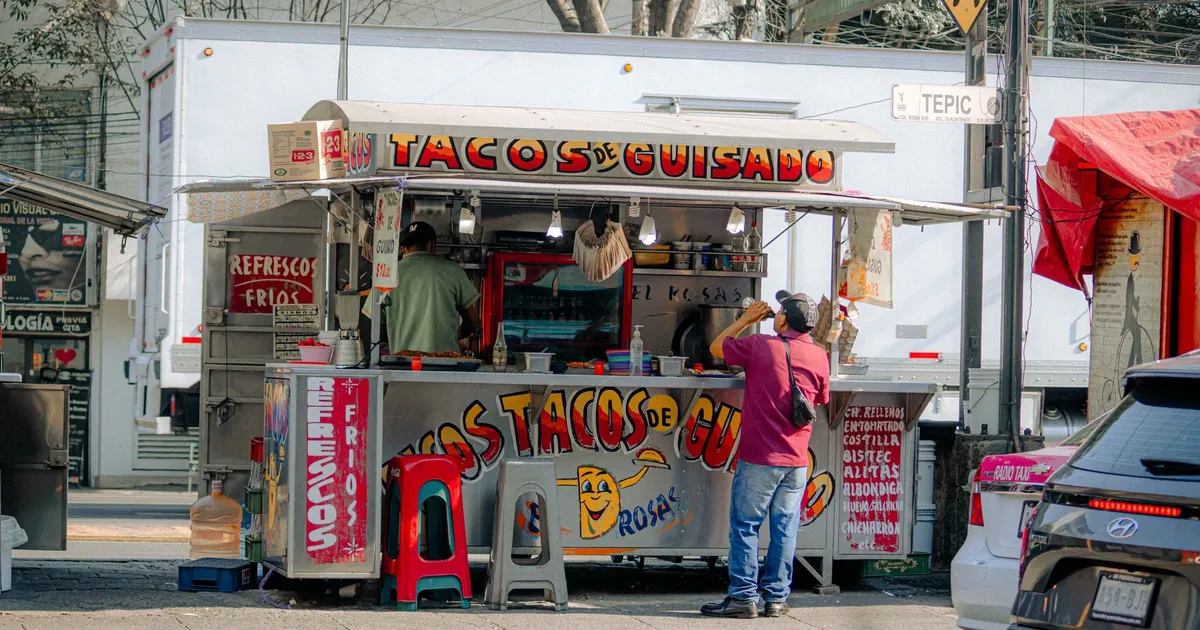
Auckland’s Tacoteca has just done something no New Zealand hospitality operator has managed before. The Mexican taqueria, cantina and tortilleria run by Edmundo and Anna Farrera will be the first New Zealand hospitality operator to feature in the Australian Open’s dining precinct, serving thousands of dishes to more than a million expected visitors at Melbourne Park in January.
Read it as a feel-good restaurant story if you like. The sharper reading is that a Kiwi hospitality brand has found a way to grow without signing another lease, hiring another full roster or betting on Auckland’s patchy weeknight trade. It is exporting the experience instead.
Picked on merit, not on nationality
Tennis Australia is not doing New Zealand a favour here. AO 2027 will run its biggest-ever food and beverage programme, with more than 100 offerings across the precinct. Tacoteca sits on Grand Slam Oval alongside returning favourites D.O.C, Stalactites and Season, and global names including Shake Shack.
Fern Barrett, Tennis Australia’s head of product growth and innovation, describes the line-up as bringing together “globally recognised brands, some of Australia’s most exciting chefs and restaurants” to create food “every bit as memorable as the tennis.” That is a curation process benchmarked against the world’s best, and a three-year-old Auckland business made the cut.
“Being the first New Zealand hospitality operator at the Australian Open is a huge honour for our whole team and a pinch-me moment for me,” Edmundo Farrera said.
A brand built on credibility
The pedigree helps explain the pick. Back in 2023, reviewer Jesse Mulligan noted Farrera had run the wine list at Michelin-starred Hakkasan in London before working as a sommelier in Auckland, and rated the restaurant 18/20, writing that word was its food was “indistinguishable from the real thing. Perhaps even better.” The business started as a pop-up inside the couple’s wine bar La Fuente before moving to its permanent home at City Works Depot.
Authenticity is a product. Tacoteca has been selling it to Aucklanders; now it gets to sell it to an international crowd primed to spend.
Why the home market is a hard place to grow
The domestic backdrop makes the move look even smarter. In 2025, the Restaurant Association reported record hospitality sales of $15.99 billion for the year to June, but growth of just 1.4%. Cafes and restaurants grew only 0.3%, food price inflation hit 4.6% and labour costs averaged 40% of revenue, the highest on record.
The trend line was moving the wrong way. For the year to March 2024, sales had grown 5.8% to $15.7 billion. Momentum faded while costs kept climbing.
The Restaurant Association’s Marisa Bidois said in 2025 that “every dollar of the 1.4 percent sales growth” had been earned against substantial cost increases, and that shifting consumer behaviour might be permanent, forcing operators to rethink their business models. Add a regulatory regime the Ministry for Regulation’s own review found costly, complex and slow on food safety and alcohol licensing, and the case for expanding through bricks and mortar at home gets thin.
Events are where the margin lives
The Australian Open model inverts the usual hospitality problem. Instead of paying year-round rent and wages to wait for customers, an operator goes where the crowds are already concentrated, for a fixed period, with demand effectively guaranteed. The tournament is even expanding DoorDash delivery and grab-and-go formats to push volume through faster.
The industry’s own peak body has been arguing for exactly this kind of thinking. Hospitality New Zealand’s 2026 summit report names support for business events as a strategic priority, proposing a subvention fund for major events that generate meals and guest nights. Tacoteca has simply skipped the queue and gone to one of the biggest events in the region.
It also undercuts the lazy assumption that hospitality is a low-productivity sector. A 2025 analysis by economist Shamubeel Eaqub found sector productivity grew 1.6% a year over the decade to 2024, more than three times the national average. Operators that can scale a brand offshore are the sharp end of that story.
What happens after January
The real test is what Tacoteca does with the exposure. A fortnight at Melbourne Park is a showcase in front of a global audience and a proof point for event organisers across Australia and beyond. If the Farreras execute well, the next invitations will follow, and the brand becomes something that travels rather than something tied to a corner of Cook and Wellesley Streets.
For other Kiwi operators squeezed by flat dine-in trade, the lesson is clear. Growth does not have to mean another site and another lease. It can mean building a brand good enough that the world’s big events come asking. Tacoteca has shown it can be done. Now it needs to show it can be repeated.
Sources
- NZ Herald: Tacoteca to become first New Zealand hospitality operator at the Australian Open (2026-11-21)
- Australian Open: Shake Shack, culinary stars and AO exclusives headline Australian Open’s biggest food line-up (2026-10-08)
- NZ Herald/Viva: Jesse Mulligan’s Auckland Restaurant Review: Tacoteca Serves Serious Mexican & A Masterly Margarita Menu (2023-08-01)
- Tacoteca: About
- Restaurant Association: Hospitality hits record sales, but margins are tighter than ever (2025-10-15)
- Restaurant Association: 2024 Hospitality Report (2024-07-28)
- RNZ: Restaurant Association warns rising costs hitting profits (2025-10-16)
- Ministry for Regulation: Hospitality sector regulatory review
- Hospitality New Zealand: Serving Success, Hospitality Summit Report 2026 (2026)
- Hospitality New Zealand: Report to Hospitality New Zealand, Productivity Analysis (2025-07)
Join the discussion
Add useful context, ask a good question, or challenge an idea — keep it specific and respectful.