

New Zealand’s lamb exporters have spent two decades doing exactly what a sensible trading nation should. They kept a stable share of the US market, sold premium cuts Americans cannot produce themselves, and spread their bets across dozens of other countries. None of that stopped the US International Trade Commission from splitting evenly on whether NZ lamb is seriously injuring American producers.
A tie is not a win. Because commissioners did not deliver a clear no, the case moves to a remedies hearing on 1 December, with a recommendation going to President Trump and a final decision not expected until March 2027. The lesson for every premium exporter is blunt. Market access is a political privilege, and it can vanish faster than demand.
What is actually on the table
NZ lamb exports to the US run at around 30,000 tonnes a year, worth more than $750 million. The worst case is an extra 30 percent safeguard tariff stacked on top of the 12.5 percent Section 301 tariff Trump imposed on lamb in July. Australia ships roughly 130,000 tonnes, and together the two countries supply about 70 percent of US lamb imports.
That layering matters. In May, Trade Minister Todd McClay warned that Washington was using “unfair trade practices” investigations to reintroduce tariffs the US Supreme Court had struck down. Six months later, that is precisely what is happening. Each legal setback for the White House has simply produced a new legal instrument.
The data says New Zealand isn’t the problem
The government’s position is that NZ’s share of US lamb consumption has held at 13 to 15 percent for 20 years, moving only with American consumer demand. That is the opposite of an import surge.
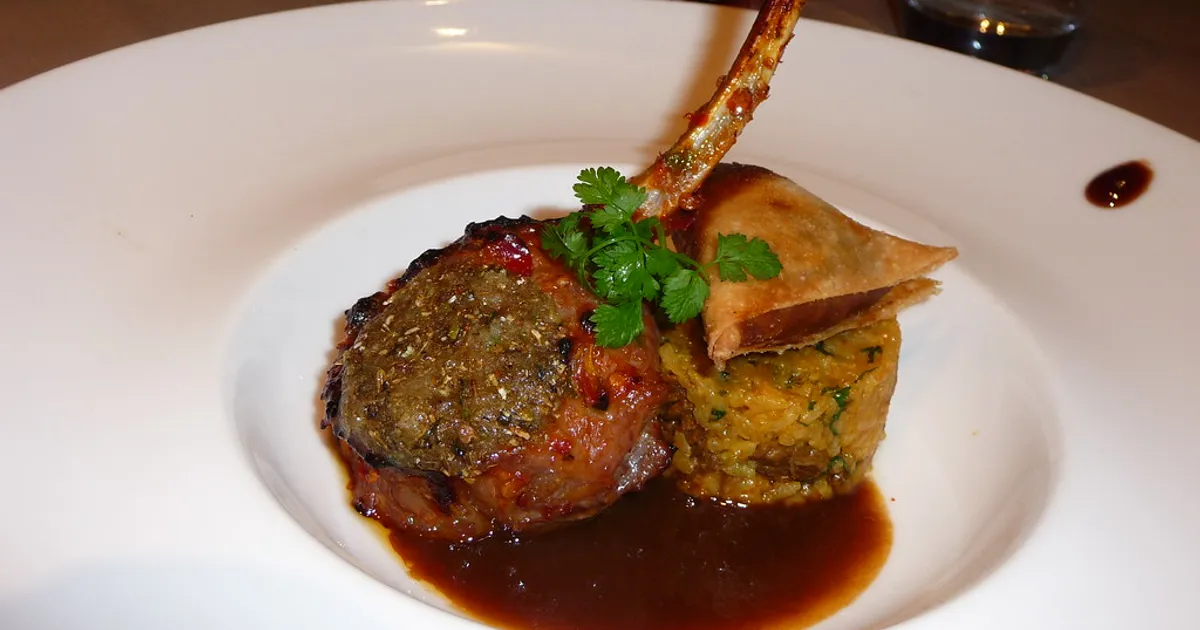
Beef + Lamb NZ chair Kate Acland puts it more vividly. New Zealand sends racks equivalent to nine million lambs to the US each year, while American farms produce about two million lambs’ worth. Without imports, she told RNZ, lamb racks “won’t be on plates, it won’t be a relevant protein”. McClay argues the US “now consumes more lamb than they can produce, and there’s enough room for everybody”, and points to the beef precedent, where tariffs had to be wound back once prices rose (RNZ).
The American Sheep Industry tells a different story. Its complaint claims imported lamb sells at a 19.5 percent discount to local product and that domestic supply has shrunk to just 30 percent of US consumption. Both claims can be partly true at once. US producers can be losing ground without NZ being the cause. But safeguard cases are not won on nuance.
Evidence versus politics
The Meat Industry Association has run a serious campaign, completing ITC questionnaires and hiring a US-based agricultural economist. Exporters themselves are less hopeful. One exporter director told Farmers Weekly in October that the outcome “will not be based on evidence or fact”, and another major exporter was reportedly planning on an 80 percent chance of a tariff hike.
That realism is healthy. The MIA’s Nathan Guy notes American businesses testified that imported lamb enables year-round supply, and that restricting it would shrink demand and stifle the US industry rather than help it. He is right on the economics. Whether that persuades a president who treats tariffs as an industrial strategy is another question entirely.
The wider export base can absorb this. Lamb racks can’t
The good news is that New Zealand’s broader trade position is resilient. When the first blanket US tariffs hit in 2025, MFAT found that exports to the US fell 3.0 percent in July that year, while non-US markets, 87 percent of total exports, grew 10.8 percent. Diversification works.
But the averages hide the pain points. The lamb rack trade has built a high-margin niche in American restaurants that cannot be shifted to Europe or Asia without a price cut. Acland concedes the industry has diversified access, yet the US remains “a high-value, important market” (RNZ). A 42.5 percent combined tariff would not end the trade, but it would transfer margin from Kiwi farmers to US consumers and competitors.
What premium exporters should take from this
Wine, venison, manuka honey and other premium categories should treat this as a dress rehearsal. A clean record, stable share and sound data offered no immunity. The government’s statement is factually strong, and it may still lose.
The practical response is to price US access as a political risk rather than a fixed asset. That means stress-testing margins against a 30 percent shock, keeping alternative buyers warm, and building contracts that share tariff pain with US importers who need the product. It also means backing Wellington’s push for agreements with India, the Gulf and Europe, where rules carry more weight than moods.
The 1 December hearing will set the size of the threat. March will set the price. Exporters who wait until then to plan are betting their margins on a coin that has already landed on its edge once.
Sources
- RNZ: How New Zealand plans to fight the US trade threat against lamb (2026-11-16)
- RNZ: Todd McClay on threat of further US lamb tariffs (audio) (2026-11-16)
- NZ Herald: New Zealand reacts as US progresses investigation into lamb imports (2026-11-14)
- RNZ: NZ lamb exporters at risk of President Trump imposing new tariffs – Trade Minister (2026-05-12)
- Scoop: Statement on US lamb safeguard investigation (2026-11-14)
- MFAT: US tariff 10 percent assessment April 2025 (2025-09)
- The Post: NZ lamb exporters hold their breath for US ruling that could wallop another 30% tariff on them (2026-09-28)
- Farmers Weekly: NZ meat industry heads to Washington to fight tariff threat (2026-10-08)
- The Post: Kiwi lamb producers a step closer to possibly copping larger US tariffs (2026-11-14)
Join the discussion
Add useful context, ask a good question, or challenge an idea — keep it specific and respectful.