

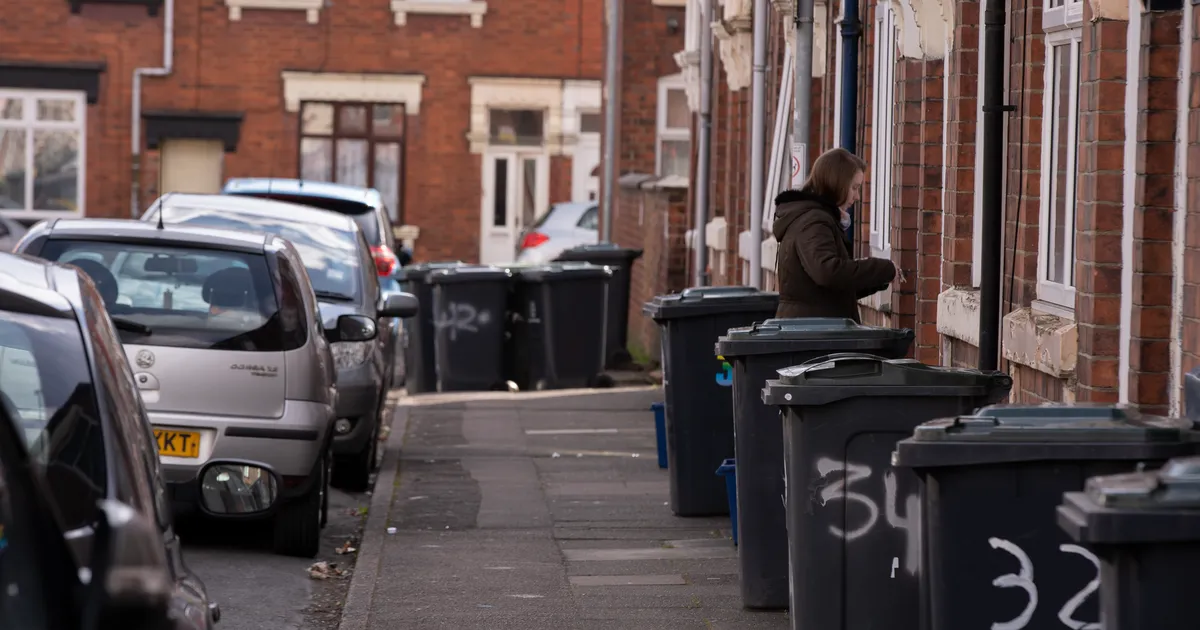
Auckland councillors have narrowly voted to make 80-litre kerbside bins the default, down from 120 litres. Coverage has framed it as a household inconvenience or a green crusade. It is neither. It is a price signal from a city whose landfill capacity is shrinking faster than its ability to replace it, and every business that produces waste sits downstream of the same problem.
Two landfills and no one wants a third
Deputy mayor Desley Simpson was blunt about the cause. Auckland has only two landfills and “we’re having incredible trouble trying to create new landfills, no one wants them,” she told 1News. The planned Dome Valley replacement has been tied up in environmental and legal challenges.
This is not a council talking point. In 2025, operator WM New Zealand said in its consultation findings that Redvale Landfill would close by the end of 2028, while its Auckland Regional Landfill replacement was not expected until the mid-2030s. That is a seven-to-eight year gap covering hundreds of thousands of tonnes of waste a year. WM warned at the time that Auckland faced “a real risk of running out of landfill space” before the new site opened, “placing higher costs on the community, potentially disrupting services and increasing illegal dumping.”
When a scarce input loses supply, price rises. Kerbside bins are simply where Aucklanders see it first.
The price gap is the message
Under the proposed structure, an 80L bin will cost $69 to $119 a year, against $438 to $488 for a 240L bin. Existing large bins will not be confiscated, but keeping one gets expensive. Back in 2022, the council projected a 240L bin would cost $276 a year under the new citywide system. The new range is 59% to 77% higher.
Manurewa-Papakura councillor Daniel Newman puts the big-bin cost at about $490 and warns that “some of the poorest families who need the bigger bin are going to pay an absolute premium for it in order to subsidise the smaller households,” he told Newstalk ZB.
There is an irony here. In 2025, waste academic Jeff Seadon criticised Auckland for abandoning pay-as-you-throw pricing, arguing the flat rates-funded model “punishes those who create little waste” and subsidises heavy throwers. A steep bin-size tariff partly restores a user-pays signal. Whether it is fair depends on whether big families genuinely produce more landfill waste or simply sort less.
A costly food scraps contract in the background
Newman’s sharper charge is about motive. He called the proposal a “trojan horse” and said “the food scrap targets are not being met and we are in the hock with a very expensive long term contract”. That programme costs around $36 million a year, funded by a roughly $77 per property targeted rate.
The council’s counter is that the waste is in the wrong bin. Its analysis shows just under half of red-bin contents should be going to recycling or food scraps. In 2023, the council’s waste assessment found organic waste generated 45% of emissions reported to Class 1 landfills. Both things can be true. Diversion makes sense when landfill space is this tight, and the council also needs volume to justify a contract it has already signed.
Businesses sit downstream of the same hole
The household debate misses the bigger bill. Most commercial waste goes through private contractors, and those contractors pay for the same disappearing capacity. In 2025, Business North Harbour told the council it wanted the implications for small and medium businesses “fully understood”, and argued weekly collections should be kept for business premises.
It also flagged construction and demolition waste, which it said was “liable to increase as housing intensification increases” and needed action “as a matter of urgency”. The council’s own growth agenda is generating more rubble just as the holes to bury it close. A major waste customer in WM’s 2025 consultation warned that trucking waste to southern landfills would add Southern Motorway traffic and leave the city reliant on a single site. For builders, hospitality operators and manufacturers, that means higher gate fees, longer haul distances and less negotiating power.
Fortnightly collections are the next step
This vote is unlikely to be the last. In 2025 the council consulted on a fortnightly rubbish trial for about 10,000 households, with any citywide change pushed to the 2027 long-term plan.
The sensible business response is not to argue about bin lids. It is to audit waste streams now, renegotiate contracts before 2028, and push the council and government to settle the landfill gap. Smaller bins are a symptom. The cost of a city with nowhere to put its rubbish is only starting to arrive.
Sources
- 1News: Smaller kerbside bins rolling out as Auckland runs out of landfill (2026-11-10)
- Newstalk ZB: Auckland Council’s move to reduce bin sizes sparks backlash (2026-11-10)
- The Post: War on waste – Councillors to vote on reducing Auckland’s rubbish bin sizes (2026-11-09)
- WM New Zealand: Managing Auckland’s Residual Waste – Consultation Findings (2025-06-02)
- RNZ: Auckland rubbish plan a step backwards for waste minimisation (2025-03-10)
- Auckland Council: Waste Assessment 2023 (2023)
- Business North Harbour: Submission on Auckland’s Draft Waste Management and Minimisation Plan 2024 (2025-07)
- RNZ: Aucklanders consulted on trial to reduce rubbish collections to fortnight in parts of city (2025-10-13)
Join the discussion
Add useful context, ask a good question, or challenge an idea — keep it specific and respectful.