

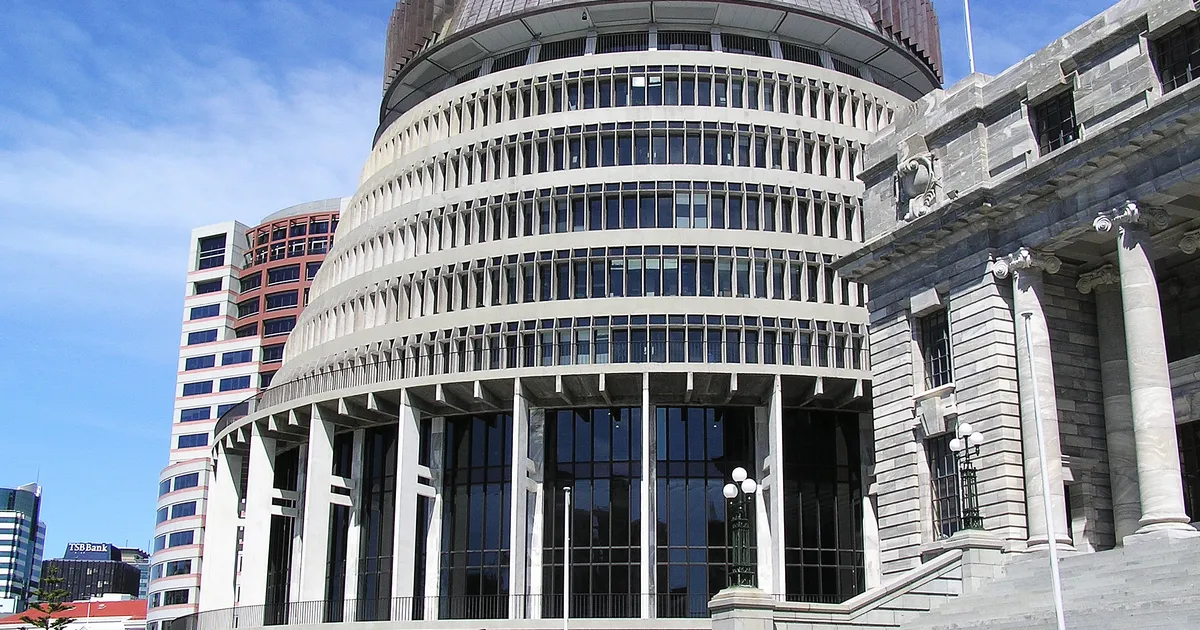
New Zealand voted on Saturday and woke up without a government it can name. With both National and Labour finishing under 30 percent of the party vote each, Christopher Luxon has confirmed his Government will run in caretaker mode until the final count and coalition talks are done. The official count is due on 27 November, and serious negotiations only start after that.
For most people, the caretaker convention is constitutional trivia. For any business waiting on a ministerial decision, a major contract or a contested approval, it is the single biggest scheduling variable on the calendar.
Routine keeps moving, discretion stops
The rules are set out in the Cabinet Manual’s caretaker provisions. Where it is unclear who will govern, which is precisely where we are, day-to-day administration carries on. But significant, controversial or long-term decisions, including major contracts and senior appointments, should be deferred. If they cannot wait, ministers must use temporary holding arrangements or consult across the House to confirm majority support.
That is a sensible brake on a government that may not survive the month. It is also, in practice, a freeze on anything with political weight.
Simpson Grierson’s analysis draws the line clearly. Existing Crown contracts do not lapse, payments keep flowing and agencies keep managing performance. Procurement for operational needs continues. The Overseas Investment Office, Financial Markets Authority, WorkSafe and the Commerce Commission retain their full statutory powers, and routine approvals under established criteria should be unaffected.
The pain sits elsewhere. Procurement involving significant commitment or anything that could bind the next government now faces uncertain timing, with short contract rollovers a common stopgap. Novel, high-profile or irreversible decisions needing ministerial sign-off may simply sit in a tray.
Fast-track shows the split in action
The fast-track regime is the cleanest illustration. Under the election period guidance, officials and the Environmental Protection Authority keep assessing applications against statutory timeframes, and expert panels keep issuing decisions. But the Infrastructure Minister’s power to accept or decline new project referrals is constrained. With the outcome unclear, those calls need cross-party backing.
So a project already before a panel keeps grinding forward. A project waiting to get through the front door is stuck behind the coalition arithmetic. Developers, miners and energy players with referrals in the queue should assume they are waiting until there is a minister with an actual mandate.
The rulebook could change mid-application
Delay is the obvious cost. The less obvious one is worse. Barrister Dr Mai Chen, writing in Law News, warns that “applications still in the pipeline may be discontinued or subject to different standards/legal tests by bills introduced after the new Parliament is convened”, making it critical to get decisions made under the current Act and current minister where possible.
That is the practical crux. Parliament must sit no later than 14 January 2027, six weeks after the return of the writ on 3 December. A new government with a different view on mining, foreign investment or infrastructure could move legislation quickly. An OIO consent or fast-track referral sitting in abeyance through the summer could be judged against a different test in the new year.
Businesses with live applications should be asking their advisers now which decisions can be pushed to completion within the officials’ and panels’ existing statutory remit, and which are hostage to ministerial discretion.
No deadline, no drama, no decisions
There is no constitutional crisis brewing. Constitutional law professor Philip Joseph KC notes “no New Zealand leader has breached the caretaker convention since it was first adopted in 1986”. The system is stable.
Stable is not the same as quick. Otago University law professor Andrew Geddis points out “there is no legal deadline by which a government must be formed after an election”. If talks stall, Luxon and his re-elected ministers carry on indefinitely, under the same constraints. The Herald describes a result too close to call, with special votes still capable of moving seats. RNZ suggests the fragmented result raises the prospect of a longer caretaker period than recent elections.
What business should do this month
The convention works as designed, protecting the next government from being boxed in by the last one. But the cost of that protection falls on whoever is waiting on the Crown. Health and defence suppliers with contracts up for renewal should plan for rollovers, not new deals. Infrastructure and energy proponents should treat ministerial referrals as off the table until a coalition is signed. And anyone with a contested application should push hard to get it decided on its current footing.
The count lands on 27 November. Parliament sits by mid-January. Between those dates, the only Crown decisions guaranteed to happen are the boring ones. Plan accordingly.
Sources
- NZ Herald: Election 2026: Luxon, Hipkins prepare NZ for wait after election deadlock (2026-11-07)
- Simpson Grierson: Election 2026: The Caretaker Government after election day: what keeps moving? (2026-11-07)
- RNZ: Explainer: What are coalition negotiations and how long could they take? (2026-11-08)
- The Post: What happens if parties can’t agree a coalition deal after the election? (2026-11-05)
- Law News: Who’s in charge of running the country if coalition negotiations drag on? (2026-11-04)
Join the discussion
Add useful context, ask a good question, or challenge an idea — keep it specific and respectful.