

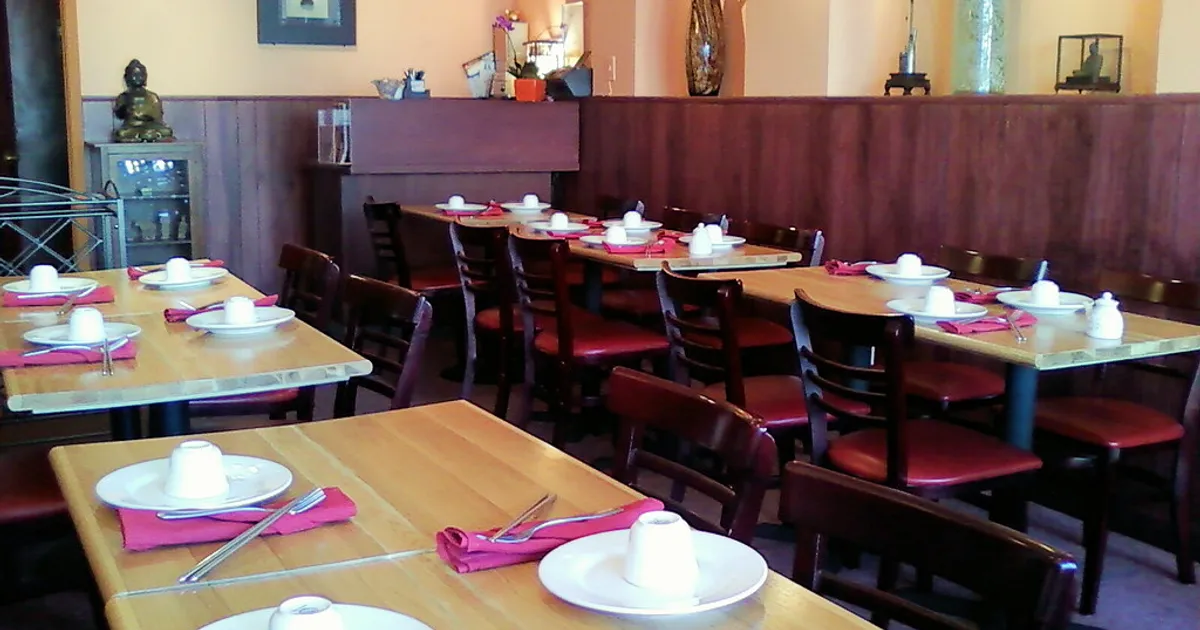
An Auckland Chinese restaurant has lost $15,000 to a group-booking scam run from offshore scam centres. It is tempting to file this under quirky crime. That would be a mistake. This is a working-capital and verification failure, and it is aimed squarely at small operators who are under pressure to land every large booking they can before Christmas.
The booking is the bait, the supplier is the trap
The mechanics are simple and well designed. A caller posing as a local customer wants to book a large function, but will only confirm if the restaurant first prepays a bulk abalone order from a supplier in China. The restaurant pays. The scammer then sends a fake transfer confirmation that appears to reimburse it. By then the real money has left the country.
Police say Chinese restaurants have been targeted so far, but they expect the scam to spread as the function season builds. Detective Senior Sergeant Craig Bolton is blunt about the timing and the fix: “It’s coming to a busy time of year, so a phone call looking to secure a booking for a large function could seem appetising,” he says, adding that where bookings require prepayment or large transfers, “we will always advise conducting this arrangement in person.”
What makes this variant nasty is that it weaponises the restaurant’s own supply chain. Abalone is exactly the kind of high-value product these businesses source offshore, often through informal channels. A request to order it does not sound strange. It sounds like business.
Hospitality has been a soft target for years
None of this is entirely new. Back in 2010, then-Newmarket Business Association chief executive Cameron Brewer warned of bogus reservation emails “designed to get the restaurateur very keen from the outset”, before the fake customer asked for help out of a spot of trouble. In 2012 the Restaurant Association was already flagging fake complaints used to extract refunds.
In 2019 a Christchurch restaurant lost $3,800 after a fake customer asked it to pay a third-party ‘wedding planner’. BNZ’s then-financial crime manager Serena McFarlane spelled out the hard truth at the time: “Any money the merchant sent to a third party is not recoverable… It is up to the customer to pay their own providers.”
The cons kept coming. In 2025, Wellington venues reported a fake allergic-reaction scam demanding hospital bills, with roughly ten bars targeted and several paying up. And in 2024, Fisheries NZ found crayfish sold via WeChat for $88/kg and undersized abalone at a fraction of market price during Auckland inspections. The premium seafood channel was already recognised as a weak point. The 2026 scam simply flips it from the buying side to the booking side.
Authorised payments are where the money goes
The wider numbers show why this matters beyond one kitchen. Payments NZ’s first fraud monitor, released in 2025, put gross fraud losses at $265 million, with about $126 million from authorised payments, where victims approve the transfer themselves. That is precisely what happened here.
The targeting is also getting sharper. The National Cyber Security Centre’s 2023/24 report found average loss per incident jumped from $14,000 to $25,500 even as total losses dipped slightly. Fewer, bigger hits. A $15,000 phone call fits that pattern neatly.
Your controls are the only defence
Here is the uncomfortable part for owners. Offshore scam centres sit well beyond the reach of NZ police, and banks generally cannot claw back money a business has authorised itself. The burden of prevention lands entirely on the operator’s own processes, which in most small hospitality businesses are informal and trust-based.
That is fixable, and cheaply. A few rules should be standard in any restaurant, caterer or events business:
- Never prepay a supplier or third party on the strength of an unconfirmed booking. The customer pays their own providers, full stop.
- Take a deposit from the customer first, and confirm it has actually cleared in your account, not on a screenshot.
- Verify large or unusual functions in person or through a known contact, not just by phone or email.
- Make sure front-of-house staff know who is authorised to send money, and that nobody does it under time pressure.
For a business running on thin margins, $15,000 is not a bad week. It can be a quarter’s profit, or the cushion that gets a venue through January. The real cost of this scam is not the abalone. It is the cash buffer that small operators can least afford to lose.
Police expect copycats as the Christmas function rush peaks. Owners who tighten their payment rules this month will lose, at worst, a fake booking. Those who don’t may find out the hard way that the biggest order of the year was never coming.
Sources
- 1News: Chinese restaurant duped out of $15,000 by group-booking scam (2026-11-06)
- Scoop: Restaurants being targeted in reservation scam (2010-06-07)
- NZ Herald: Fraudsters hit eateries with fake complaints (2012-04-25)
- Restaurant & Cafe: How can you protect yourself against scams? (2019-01-29)
- RNZ: Hospo industry hit by hoaxes as scammers target bars, cafes and restaurants (2025-05-20)
- Newstalk ZB: Restaurants warned against buying premium seafood at too-good-to-be-true prices (2024-02-15)
- Inside Government: New report details NZ’s $265 million fraud bill (2025-11-17)
Join the discussion
Add useful context, ask a good question, or challenge an idea — keep it specific and respectful.