

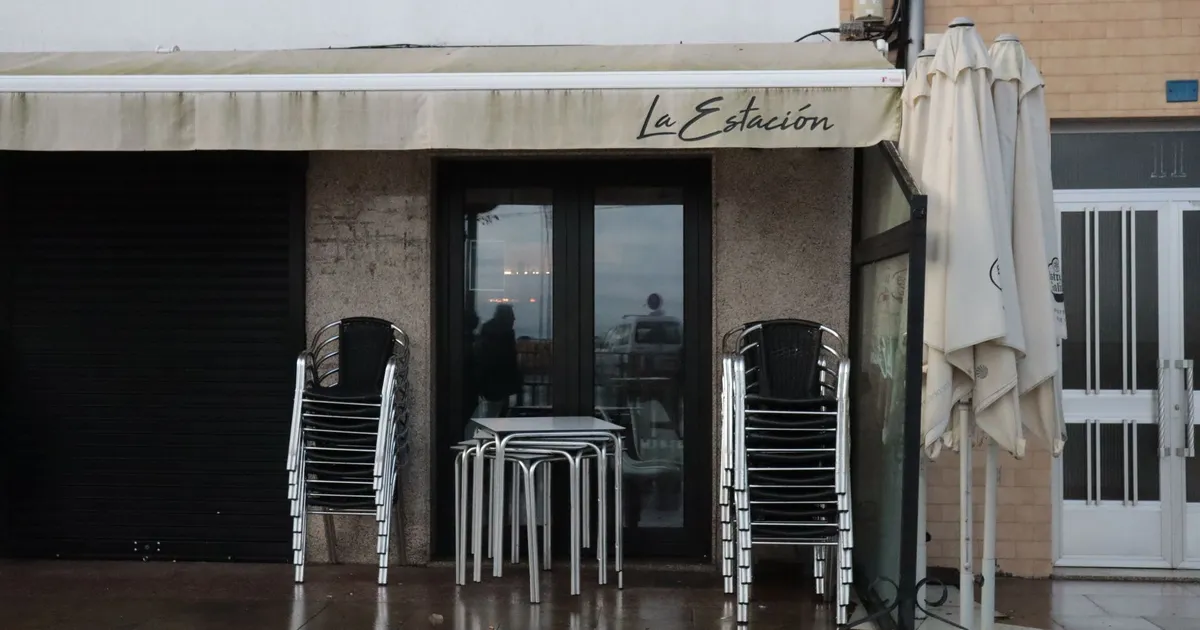
New Zealand’s insolvency problem has stopped being a general cost-of-living story. It now sits in businesses with thin margins, heavy wage bills and almost no ability to raise prices. Centrix’s latest Credit Indicator shows 3173 company liquidations in the year to September, up 18%. Hospitality liquidations rose 41% to 431, retail jumped 53% to 253, and hospitality’s liquidation rate is now 3.3 times the all-sector average.
Construction still produces the most failures in absolute terms, with 790 liquidations, up 9%. But its growth has slowed. Consumer-facing businesses are where the damage is accelerating.
Households are mending faster than businesses
The household data points the other way. Mortgage arrears sit at 1.19% of home-loan accounts, the lowest since December 2022, and overall arrears are 9.3% lower than a year ago. There are still pockets of pain. Hardship accounts have risen to 15,300 and personal loan hardship is up 32%. Centrix chief operating officer Monika Lacey says the figures “indicate that business pressure remains concentrated in some consumer-facing industries.”
That gap matters. Lower interest rates are taking pressure off borrowers’ mortgages, but that relief is not showing up as spending in cafes and bars. Households are repairing their balance sheets first and eating out later.
The trend has been building all year
None of this is new. March was the worst month for liquidations in 11 years. At the time, ASB economist Wesley Tanuvasa noted firms were absorbing cost increases into their margins rather than passing them on. By September, Centrix counted 422 hospitality liquidations and 2900 hospitality businesses that had stopped trading altogether, up almost 40%. Takeaway food liquidations had risen 143%.
The 3.3 times multiple has held steady across successive reports while the totals keep climbing. That suggests a structural problem in the sector rather than a temporary spike.
The maths stopped working
Insolvency practitioner Brenton Hunt sets out the thresholds bluntly in The Press:
- If rent is above 10% of turnover, the business is almost impossible to sell or sustain.
- If wages plus cost of goods go above 70% of turnover, profit turns to loss quickly.
Those numbers are easy to breach when revenue is going backwards in real terms. Hospitality sales value grew just 1.4% against 4.6% food price inflation, according to Brewers Association analysis in the Herald. The same analysis shows:
- Beer excise has risen 30% in five years and now makes up roughly a third of a keg’s wholesale price.
- Total alcohol excise revenue has been flat at about $1.25 billion for five years.
- On-premise beer has fallen from 40% of the market to 15%.
This is the part the government can actually change. Excise is set by policy, not by the market. Raising the rate while the total take stays flat looks like a tax shrinking its own base, and pubs are carrying the cost.
More failures are coming
The Restaurant Association’s Nicola Waldren points out that liquidations are a lagging indicator, reflecting several hard years and leftover Covid-era debt. That is fair. It also means that any recovery will take just as long to show up in the liquidation figures.
Inland Revenue’s enforcement is likely to add to the pipeline. Hunt expects more liquidations once IRD starts pursuing debts older than 12 months. Deloitte has flagged new rules targeting overdrawn shareholder current accounts and closer scrutiny of phoenix companies. Both hit operators who rely on related-company structures to manage cash flow. Deloitte also found Auckland accounts for more than half of all insolvencies.
A blunt system for a fixable problem
University of Auckland professor Rod McNaughton argued in May that New Zealand is “closing businesses faster than it is learning from their failure.” He described what happens to viable firms: “once creditors lose patience, confidence evaporates… What might have been a restructuring becomes a liquidation.”
His proposal is a preventive restructuring process for SMEs, with a temporary pause on creditor enforcement and access to independent advice. This is not a bailout. Weak firms would still fail. Viable ones with bad timing would get a cheaper alternative to the liquidator.
What business should take from this
- Landlords: the 10% rent-to-turnover line is a ready-made test for tenant risk.
- Suppliers: tighten credit terms for hospitality and retail customers now, not after IRD moves.
- Lenders: don’t read small-business lending through the same recovery lens as mortgage books. They are telling different stories.
- Government: the excise rate and the absence of an SME restructuring regime are both within its control.
The recovery may well be real for borrowers. For the operators behind those 431 liquidations, it came too late, and the next set of figures is unlikely to look much better.
Sources
- NZ Herald: Annual liquidations up 18% as retail, hospitality closures surge (2026-11-02)
- BusinessDesk: Hospitality liquidations up by almost 50%, worst March for liquidations in 11 years (2026-05-06)
- RNZ: Last call: 3000 hospitality businesses gone in a year as business feels the crunch (2026-09-01)
- The Press: Hospitality liquidations are up 49% nationally. So how are these Christchurch operators bucking the trend? (2026-08-14)
- NZ Herald: New Zealand beer excise: Why the beer tax is squeezing pubs (2026-08-01)
- Deloitte: New Zealand Insolvency Trends (2026-07-28)
- University of Auckland: NZ’s system for dealing with business distress is too blunt (2026-05-07)
Join the discussion
Add useful context, ask a good question, or challenge an idea — keep it specific and respectful.